
Last updated September 24, 2026
The Complete Guide to Insulation in Newport Beach
Most Newport Beach homeowners assume their insulation problem is solved by adding more material. In our experience, that’s rarely true. The California Energy Code sets a minimum attic R-value of R-38, but a blower-door test on a typical 1970s Newport Beach tract home routinely measures 8-12 ACH50 - meaning the air changes so fast that even R-60 batts underperform R-30 spray foam over a tight envelope. This guide explains why coastal microclimate conditions, not just R-value charts, should drive every material choice and installation sequence in your home. For more guides & resources, explore our blog.
Quick Answer
The right insulation for a Newport Beach home depends on sealing the building envelope first, then selecting materials rated for marine-layer humidity and salt-air exposure. Most homes here need attic air sealing to below 5 ACH50, followed by blown cellulose, open-cell spray foam, or mineral wool with a managed vapor strategy. For a detailed Insulation Cost Breakdown: The Newport Beach Homeowner’s Reference for 2026, expect $4,500-$12,000 for a complete attic system depending on square footage, accessibility, and whether existing material must be removed.
Table of Contents
- Why Newport Beach Insulation Is Different From Inland California
- What ACH50 Actually Means for Your Energy Bill
- Insulation Materials for Coastal Conditions: A Head-to-Head Guide
- The Air Sealing Sequence: Why Order Matters
- R-Value Targets by Application in Newport Beach
- How Marine Layer Humidity Affects Your Attic
- The Documentation You Should Have on File
- Costs, Timeline, and What to Expect
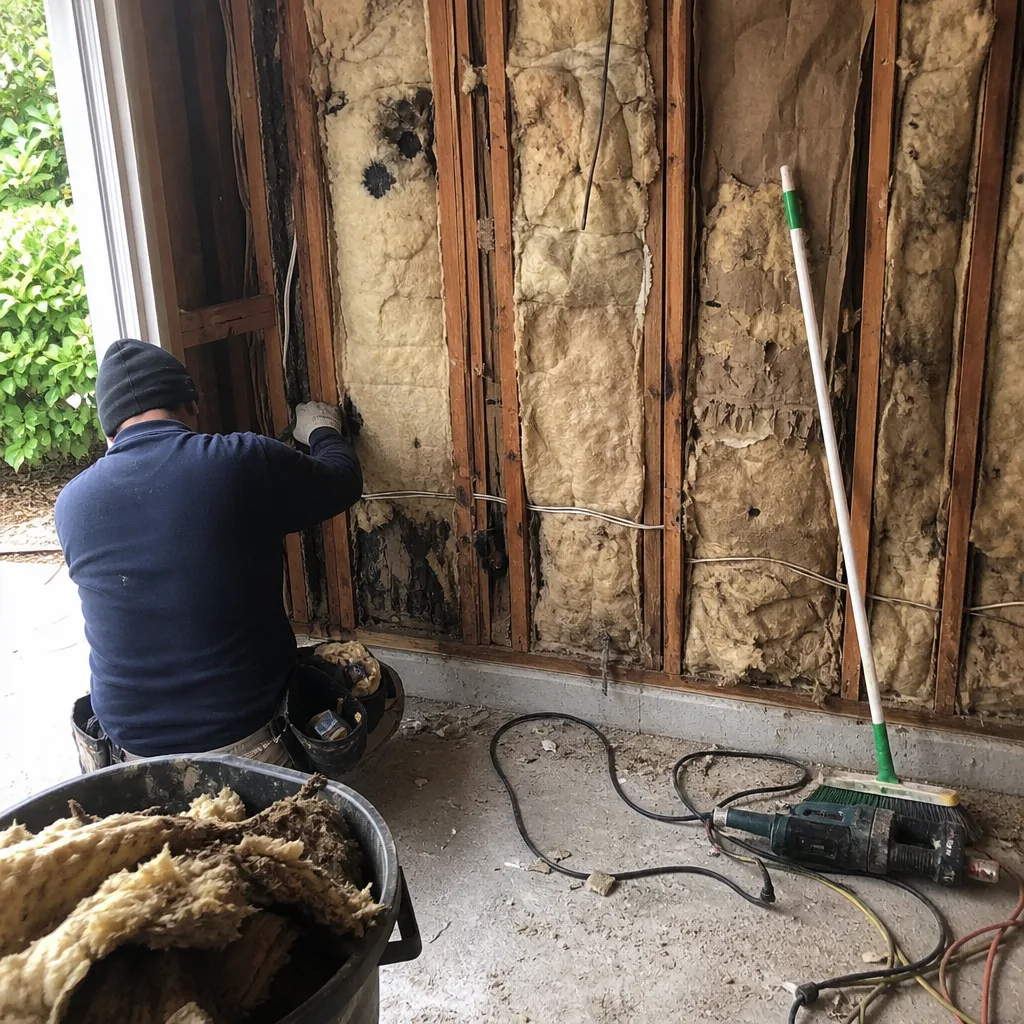 Before
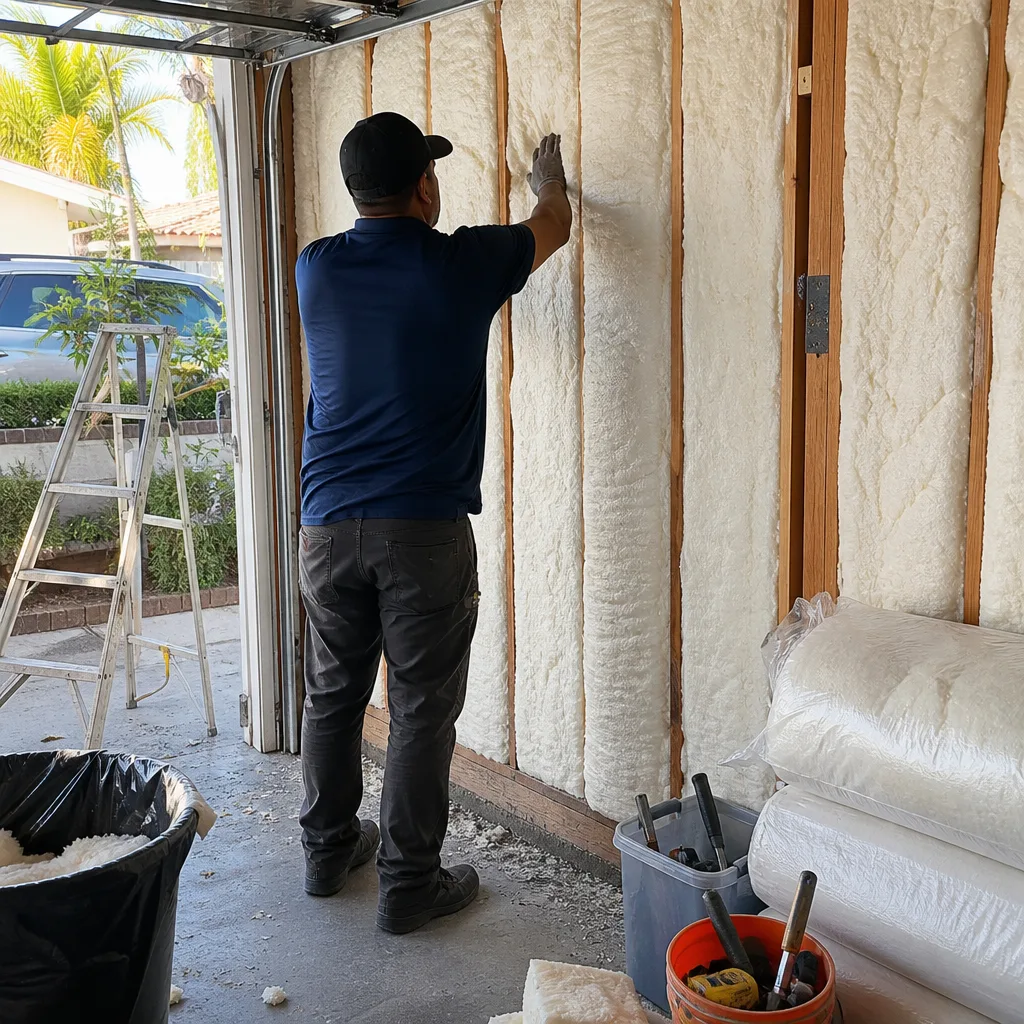 After
AfterWhy Newport Beach Insulation Is Different From Inland California
Newport Beach sits in a narrow coastal band where the Pacific Ocean moderates temperature but introduces problems no inland guide addresses. The marine layer rolls in most nights between May and October, pushing relative humidity above 80% at roof level while surface temperatures stay in the 60s. Salt-laden air penetrates attic vents. Wood framing in homes built between 1950 and 1985 often carries moisture content 2-3 points higher than identical construction in Tustin or Irvine.
These conditions create three failure modes we see regularly in Corona del Mar, Balboa Peninsula, and the Newport Heights tract homes:
- Condensation on cold sheathing: When warm interior air leaks through gaps in the ceiling plane, it hits roof decking cooled by night marine air. Without a proper air barrier, this moisture accumulates in fiberglass batts, degrading their performance and supporting mold growth.
- Salt corrosion of metal components: Fasteners, hangers, and even some radiant barrier films degrade faster within two miles of the coast. We specify stainless or polymer hardware on jobs west of Jamboree Road.
- Wind-washing of loose-fill materials: Near-shore pressure differentials can move unprotected blown insulation, creating thin spots. We install proper baffling at eaves and wind dams at gable ends on every Newport Beach job.
The building code doesn’t account for this. Title 24 sets the same R-value minimums for Newport Beach as for Riverside County. A homeowner following generic California advice ends up with code-compliant insulation that fails prematurely in this specific environment.
What ACH50 Actually Means for Your Energy Bill
ACH50 stands for Air Changes per Hour at 50 Pascals of pressure - the standard blower-door test that depressurizes your home to simulate a 20 mph wind on all sides simultaneously. The number tells you, in one figure, how many times your home’s entire volume of air would leak out and be replaced in an hour under that stress.
Here’s what we actually measure in Newport Beach neighborhoods:
| Home Age / Type | Typical ACH50 (Unsealed) | Post-Sealing Target | Annual Heating/Cooling Cost Impact |
|---|---|---|---|
| 1960s-1970s tract, Balboa Peninsula | 10-15 ACH50 | Under 5 ACH50 | $800-$1,400 excess |
| 1980s-1990s two-story, Newport Heights | 7-10 ACH50 | Under 5 ACH50 | $500-$900 excess |
| 2000s+ built to Title 24 | 4-7 ACH50 | Under 3.5 ACH50 | $200-$400 excess |
| Full custom, recent construction | 3-5 ACH50 | Under 3 ACH50 | Minimal |
The key insight: every ACH50 above your target costs real money, and no amount of additional R-value fixes it. A home at 12 ACH50 with R-60 cellulose will underperform a home at 3 ACH50 with R-38. The conditioned air escapes before the insulation can do its job.
We publish before-and-after blower-door numbers on every applicable job so homeowners can verify this directly. A typical 1970s Newport Beach home starts around 4,200 CFM50 (cubic feet per minute at 50 Pascals) and finishes near 2,100 after sealing top plates, can lights, duct penetrations, and the attic access hatch. That’s a 50% reduction in air leakage, documented in writing before any insulation is added.
Insulation Materials for Coastal Conditions: A Head-to-Head Guide
Not every insulation material handles Newport Beach’s humidity and salt exposure equally. Here’s how the main options perform based on 9,000+ homes we’ve sealed and insulated since 2016.
Blown Cellulose (Dense-Packed or Loose-Fill)
Made from recycled paper with borate fire retardant, cellulose manages moisture better than fiberglass in humid attics. The borate treatment also resists pests and mold. In Newport Beach, we specify cellulose treated for coastal humidity and install it at 1.5-2.0 pounds per cubic foot density to limit settling.
Best for: Attic floors with proper air sealing underneath; cost-conscious retrofits where the envelope is already reasonably tight.
Coastal caveat: Cellulose can absorb 15% moisture by weight before performance degrades. In homes with ongoing roof leaks or inadequate ventilation, we address those first or specify a different material.
Cost range in Newport Beach: $2.50-$4.00 per square foot installed at R-38, including air sealing prep.
Open-Cell Spray Foam (Icynene or equivalent, 0.5 lb/ft³)
Open-cell spray foam expands to fill cavities and creates an air barrier at 3.5-4.0 inches thickness. It’s vapor-permeable, meaning it allows some moisture movement - useful in Newport Beach’s mixed-humidity climate where a completely impermeable barrier can trap condensation.
Best for: Sloped ceilings, cathedral roofs, and applications where both insulation and air sealing must happen in one pass.
Coastal caveat: Open-cell is not a standalone vapor barrier. In marine-layer-exposed assemblies, we pair it with a smart vapor retarder or design the assembly to dry toward the interior.
Cost range in Newport Beach: $4.50-$7.00 per square foot at R-38 equivalent thickness.
Closed-Cell Spray Foam (2.0 lb/ft³)
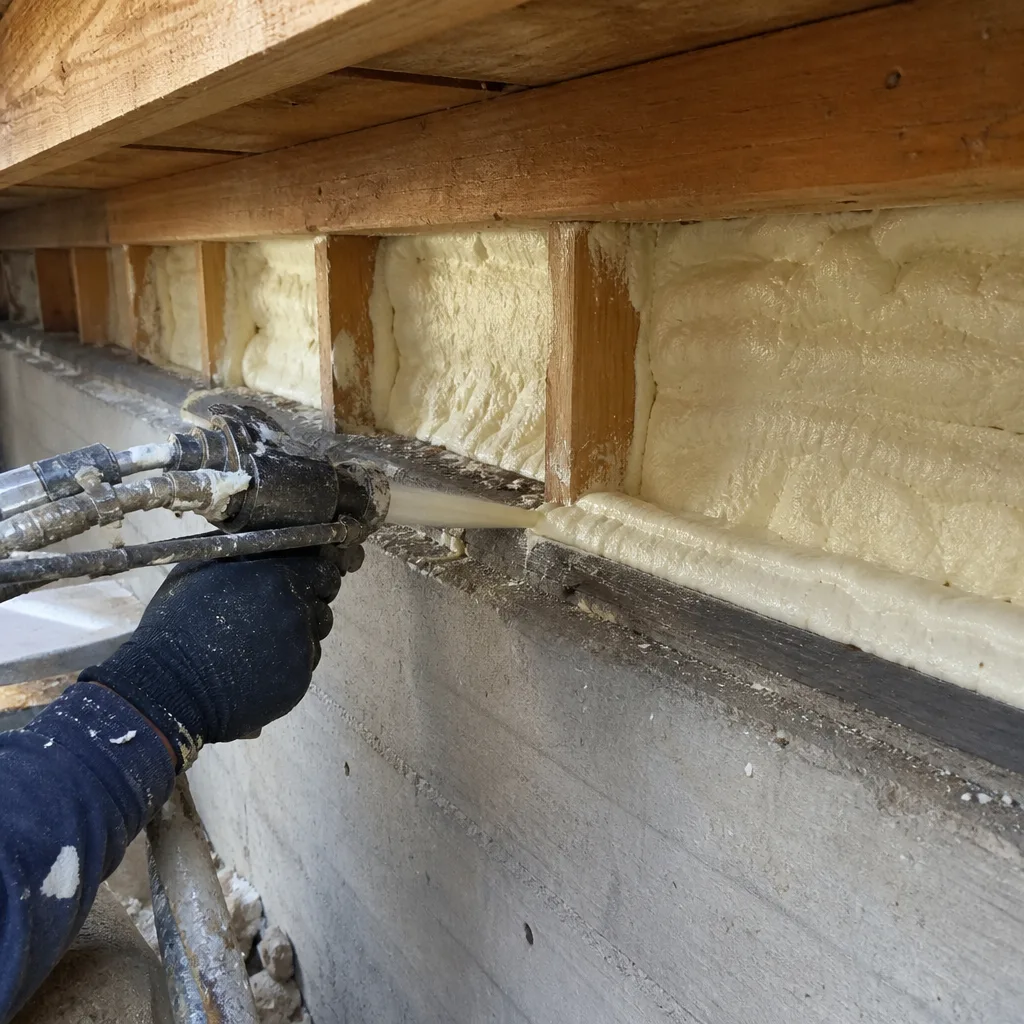
Closed-cell foam is denser, vapor-impermeable, and adds structural rigidity. At 2 inches it qualifies as both insulation and a Class II vapor retarder under California code. This makes it valuable in crawl spaces and below-grade applications where groundwater vapor is a concern.
Best for: Crawl space encapsulation, rim joists, and areas where space is limited and maximum R-value per inch matters.
Coastal caveat: The impermeability that makes closed-cell valuable can also trap moisture if the assembly isn’t designed to dry somewhere. We never install closed-cell in a Newport Beach attic without verifying the roof deck can dry outward through proper ventilation.
Cost range in Newport Beach: $6.00-$9.00 per square foot at R-21 (3 inches).
Mineral Wool (Rockwool or Knauf Insulation)
Mineral wool is hydrophobic - it repels water rather than absorbing it - and doesn’t support mold growth. This makes it uniquely suited to coastal conditions where humidity spikes are routine. It’s also fire-resistant to 2,150°F and provides sound dampening.
Best for: Wall cavities, fire-blocking assemblies, and homeowners prioritizing moisture resilience over maximum thermal performance per dollar.
Coastal caveat: Mineral wool batts don’t air-seal on their own. They must be paired with meticulous air sealing or used in conjunction with a separate air barrier material.
Cost range in Newport Beach: $3.50-$5.50 per square foot installed at R-21 in walls.
Fiberglass Batts
We rarely specify fiberglass batts for Newport Beach attics. The material is vapor-permeable and can act as a filter, trapping airborne moisture and dust where it contacts cold surfaces. When we do use fiberglass, it’s Knauf EcoSeal or Johns Manville formaldehyde-free products in walls with guaranteed air barrier continuity.
Best for: New construction with blower-door verified tightness below 3 ACH50, where cost pressures are extreme and the assembly is designed to dry.
The Air Sealing Sequence: Why Order Matters
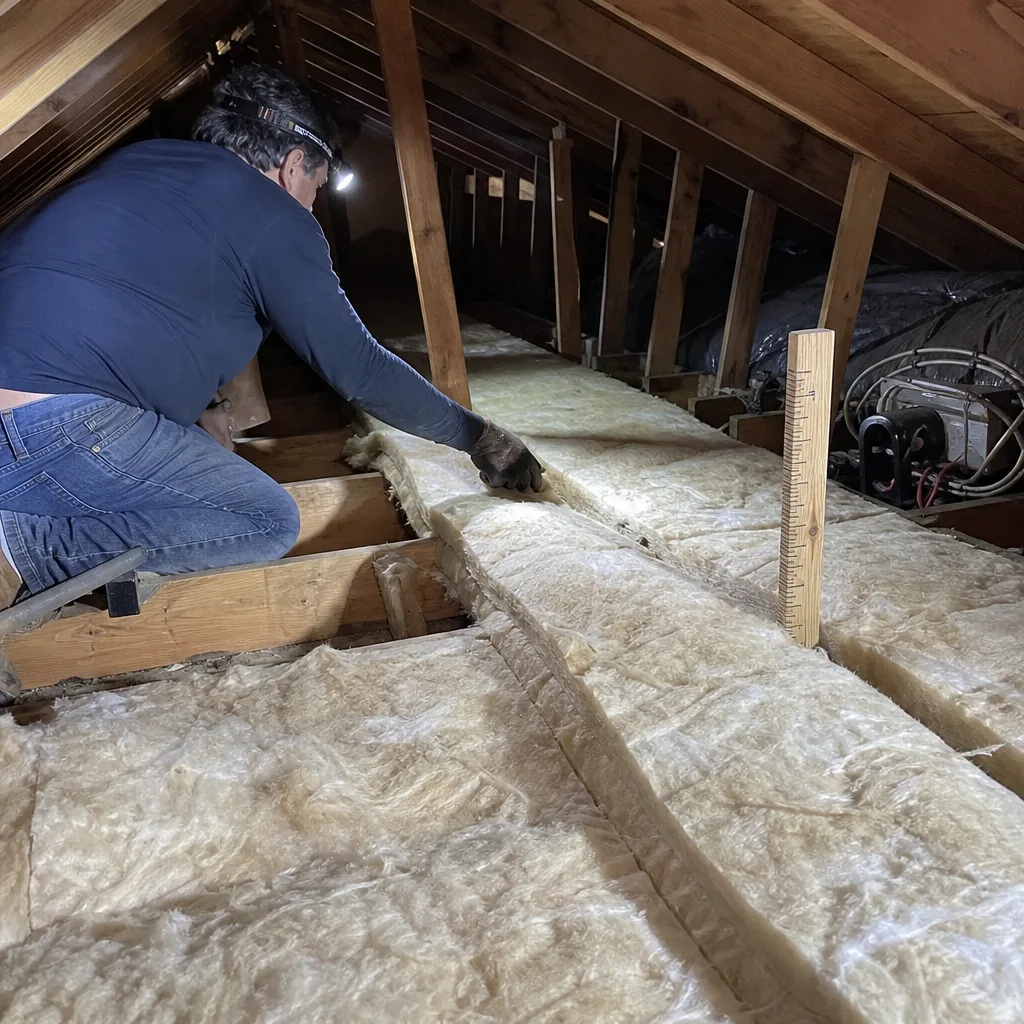
Envelope Insulation Co. will never blow insulation over an unsealed attic floor. The sequence is non-negotiable: seal first, insulate second. Here’s what that looks like in practice for a typical Newport Beach retrofit.
Step 1: Pre-Installation Blower-Door Test
We pressurize the house to 50 Pascals and use theatrical smoke to locate leakage paths. The test establishes your baseline CFM50 and identifies the largest leaks - typically top plates, recessed can lights, plumbing and electrical penetrations, and the attic access hatch.
Step 2: Seal the Ceiling Plane
- Top plates: The horizontal framing member where interior walls meet the ceiling. We seal this with acoustical sealant or expanding foam, depending on gap size. In Newport Beach’s older tracts, top plates often have continuous gaps 1/4-inch or wider.
- Recessed can lights: IC-rated airtight housings get sealed at the drywall interface. Non-IC fixtures in contact with insulation are flagged for replacement - they’re both a fire hazard and a massive leak.
- Penetrations: Every wire, pipe, and duct chase gets sealed with appropriate material. Plumbing vents get fire-rated foam; electrical boxes get gaskets or caulk.
- Attic access: The hatch or pull-down stairs gets a weatherstripped dam and insulated cover. This alone often reduces CFM50 by 200-400 in a typical home.
Step 3: Mid-Process Blower-Door Verification
We run the blower door again to confirm we’ve hit the target reduction before insulation covers the work. You receive the before-and-after numbers in writing.
Step 4: Insulation Installation
Only after sealing is verified do we install insulation. In existing homes, this means blown material over the sealed attic floor. In new construction or major remodels, we may use spray foam at the roofline to create a conditioned attic - useful in Newport Beach where HVAC equipment is often located in the attic and duct leakage to outside is a major efficiency penalty.
Step 5: Post-Installation Documentation
Final blower-door test, photo record of all sealed locations, material certifications, and written scope completion. This is what Haven Standard Clause 1 requires: flat price, written scope, written warranty before anyone lifts a tool; documented record when the crew leaves.
R-Value Targets by Application in Newport Beach
Title 24 sets minimums, but coastal conditions and the prevalence of 1950s-1980s construction mean many Newport Beach homes benefit from exceeding code in specific applications.
| Application | Title 24 Minimum | Recommended for Coastal Retrofit | Notes |
|---|---|---|---|
| Attic floor (flat ceiling) | R-38 | R-49 to R-60 | Higher value compensates for residual leakage in older homes |
| Attic roofline (conditioned attic) | R-30 | R-38 to R-49 | Required if HVAC ducts run through attic |
| Exterior walls (2×4 construction) | R-13 | R-15 dense-packed or R-13 + continuous rigid | Air sealing matters more than R-value increase |
| Exterior walls (2×6 construction) | R-19 | R-21 to R-23 | Mineral wool or dense-packed cellulose preferred |
| Crawl space walls | R-19 | R-19 to R-21 | Closed-cell spray foam or rigid mineral wool; vapor barrier essential |
| Rim joist | R-19 equivalent | R-20+ closed-cell | Critical air leakage point; often completely unsealed in older homes |
In Corona del Mar and the Balboa Peninsula, we frequently encounter homes with no attic access at all - flat roofs with minimal cavity space. These require creative solutions: rigid foam above the roof deck during re-roofing, or interior applied systems with careful vapor management. The R-value target stays the same; the assembly strategy changes entirely.
How Marine Layer Humidity Affects Your Attic
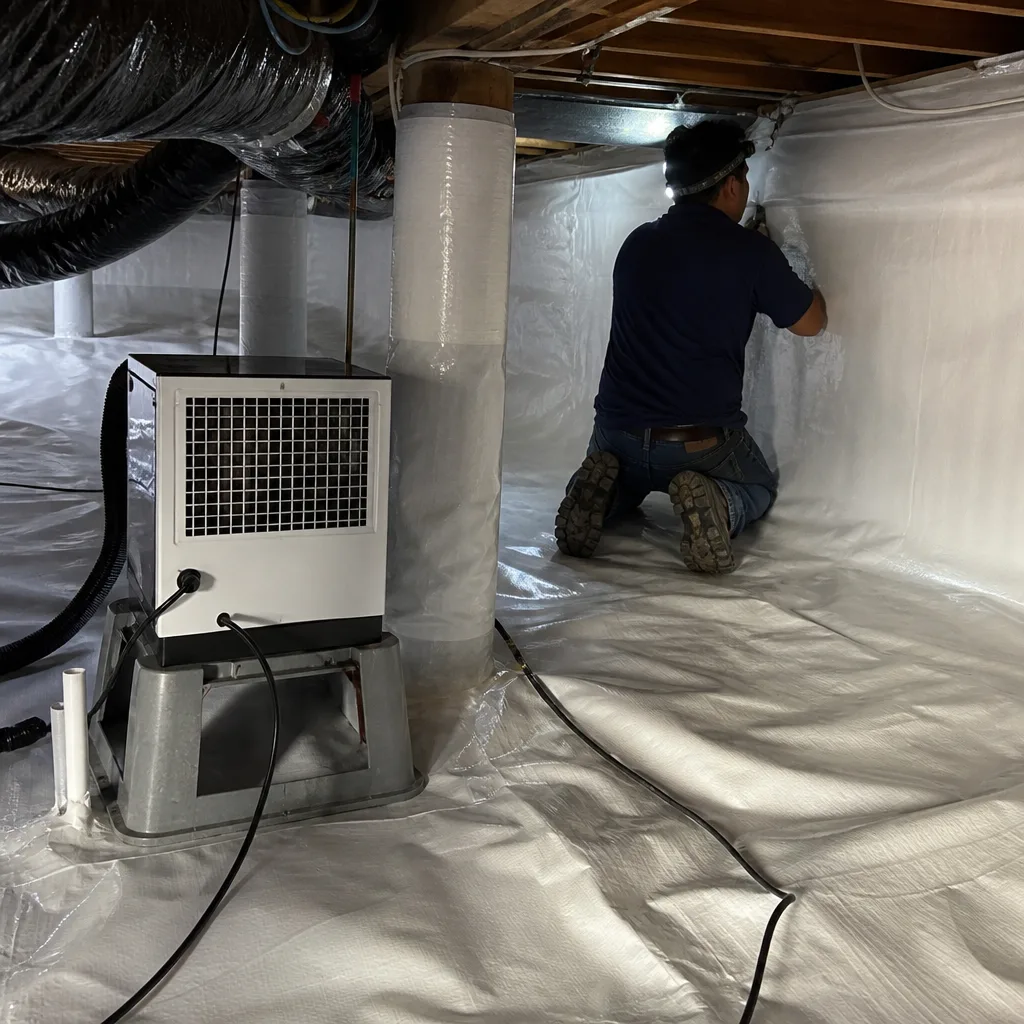
The marine layer is not fog. It’s a mass of cool, saturated air that forms when warm inland air moves over colder coastal water. In Newport Beach, it typically arrives between 10 PM and 2 AM, persists until mid-morning, and raises attic relative humidity above 70% even when the home’s interior is climate-controlled to 45%.
This matters for insulation in three specific ways:
1. Vapor drive reversal
Standard building science assumes moisture moves from warm interior to cold exterior in winter. In Newport Beach’s mild climate, the direction reverses on marine-layer nights: cool, humid outside air leaks inward through attic vents, while the conditioned interior below is warmer and drier. Fiberglass batts in this environment become a condensation surface.
We address this with:
- Air sealing at the ceiling plane (stops interior air from reaching cold surfaces)
- Proper attic ventilation that exhausts humid air before it stagnates
- Vapor-smart material selection - cellulose with borate treatment, or spray foam that doesn’t support condensation within the matrix
2. Seasonal moisture accumulation
Unlike inland climates with distinct wet and dry seasons, Newport Beach has humidity year-round. Insulation that performs adequately through one dry season may degrade over three years of continuous exposure. We specify materials with proven coastal track records: Rockwool’s hydrophobic mineral wool, CertainTeed’s moisture-resistant fiberglass where used, and borate-treated cellulose from GreenFiber.
3. Mold and mildew risk in unconditioned spaces
We’ve removed insulation from Newport Beach attics where mold colonized the paper backing of fiberglass batts after two seasons of marine-layer exposure. The remediation cost - $3,000-$7,000 - far exceeds the cost of proper material selection and air sealing upfront. Attic Insulation in Newport Beach requires this specific moisture awareness.
The Documentation You Should Have on File
After any insulation job in Newport Beach, you should receive four documents. If a contractor can’t produce these, the work isn’t finished under any credible standard.
- Written scope of work: Exactly what was done, where, with what materials, to what depth or R-value. Haven Standard Clause 1 requires this before work starts; you should have a signed copy.
- Pre- and post-blower-door report: CFM50 and ACH50 before sealing, and after. This is your proof that air sealing actually happened and performed to specification.
- Material certifications and safety data sheets: Manufacturer specifications for the exact product installed - not just “fiberglass” or “spray foam,” but the specific product line and batch-appropriate documentation.
- Permit sign-off (where required): Newport Beach Building Division requires permits for spray foam installation and any work involving structural modification. The final inspection sign-off protects your resale value and insurance coverage.
We also provide a Documented Photo Record on every visit - time-stamped images of sealed locations, installed depths, and any conditions encountered. This isn’t available on request; it’s included automatically, because a homeowner shouldn’t have to know what to ask for.
Costs, Timeline, and What to Expect
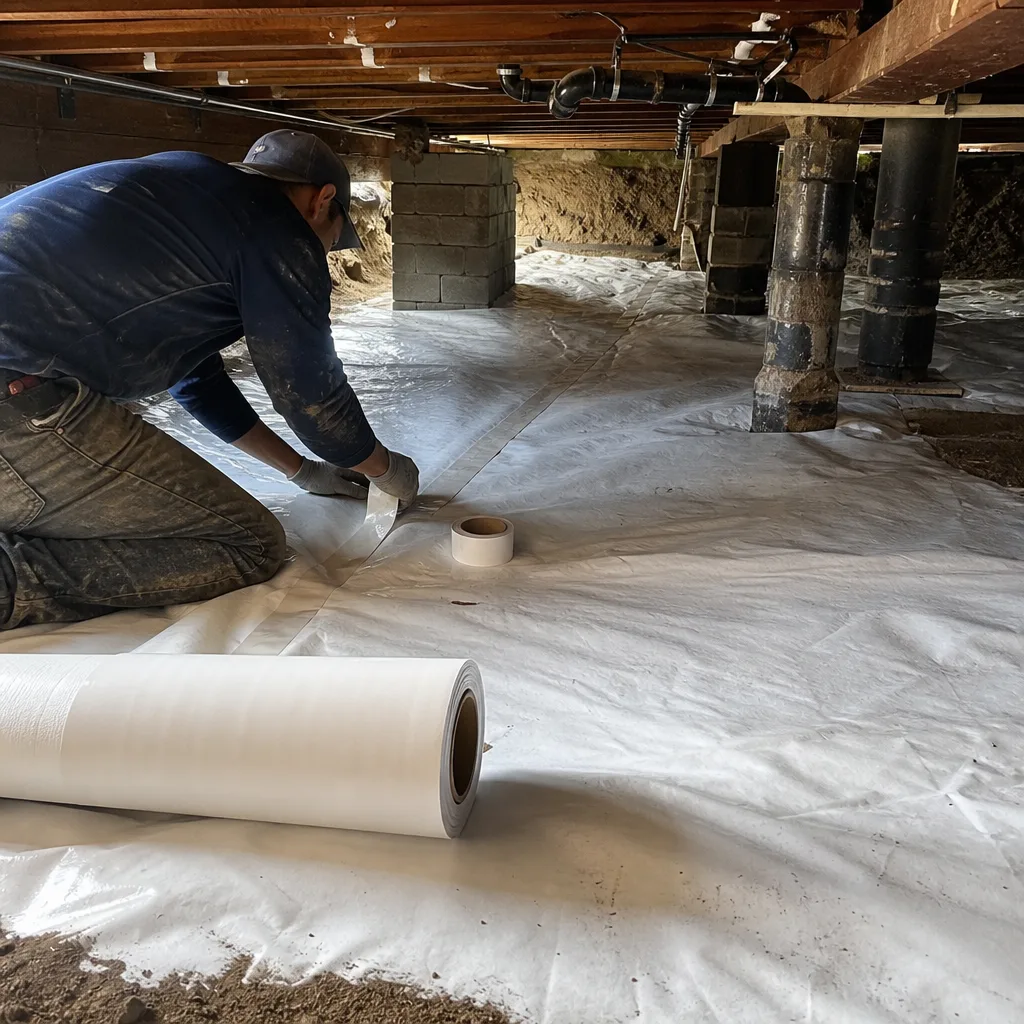
Most complete attic insulation jobs in a Newport Beach home of 1,800-2,800 square feet run between $4,500 and $12,000. The range reflects four variables:
- Existing material condition: Removal of contaminated or degraded insulation adds $1.50-$3.00 per square foot. Rodent-affected attics require cleaning and sanitizing before new material goes in.
- Access difficulty: Low-pitch roofs, limited hatch openings, or homes with HVAC equipment crowding the attic floor add labor hours.
- Material selection: Blown cellulose at R-49 runs roughly half the cost of open-cell spray foam at equivalent thermal performance.
- Air sealing complexity: A home with 20 recessed can lights, multiple duct chases, and balloon framing requires more sealing labor than a simple gable-roof tract.
Timeline: Most residential attic jobs complete in 1-3 days. Spray foam requires 24-hour cure time before occupancy. We schedule around Newport Beach’s coastal weather patterns - high humidity days can affect spray foam cure rates, so we monitor conditions and adjust timing.
Every job begins with a written price. No work starts without it. We also offer a Free Second Opinion on any written estimate - bring us a competing quote and we’ll read it with you, line by line, and explain where the scope differs from what we would specify.
For homes with crawl space concerns, Crawl Space Encapsulation & Vapor Barrier in Newport Beach addresses the ground-contact moisture that compounds attic humidity problems.
Common Mistakes to Avoid
- Adding insulation before air sealing: We’ve pulled R-38 batts off attic floors in Newport Heights homes that were still leaking 3,000 CFM50. The insulation became a filter for dirty attic air, not a thermal barrier. Seal first, always.
- Installing fiberglass in high-humidity attics without vapor management: The marine layer makes this a predictable failure. If you want fiberglass, verify your attic ventilation exceeds code minimum and your ceiling plane is genuinely airtight.
- Ignoring the attic access hatch: A 1/2-inch gap around a standard hatch leaks as much air as a 6-inch diameter hole in the wall. Yet it’s the most commonly skipped detail in DIY and cut-rate installations.
- Specifying closed-cell spray foam in an attic without verifying roof ventilation: The impermeable foam traps moisture. If the roof deck can’t dry outward, you get sheathing rot. We’ve repaired this mistake in three Newport Beach homes built in the 2010s.
- Trusting R-value alone: R-60 batts in a leaky attic perform like R-30 in a tight one. The blower-door number predicts your actual performance; the R-value label does not.
- Skipping permit requirements for spray foam: Newport Beach Building Division requires permits and inspections. Unpermitted work voids some homeowners insurance policies and creates disclosure issues at sale.
When to Call a Professional
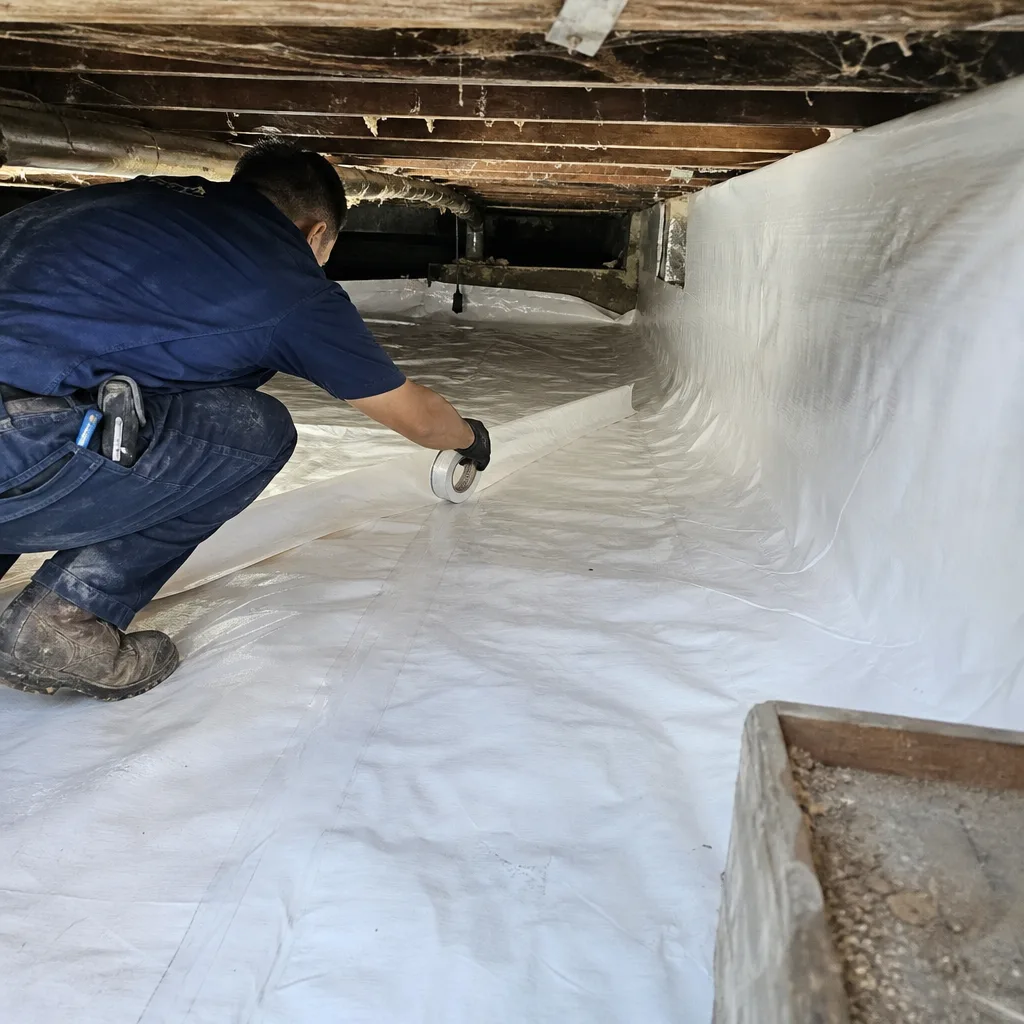
Call a professional when your energy bills exceed comparable homes in your neighborhood, when you feel drafts from outlets or light fixtures, or when your attic insulation shows staining, compression, or pest damage. These symptoms indicate envelope failure that DIY solutions rarely address comprehensively.
Topside Attic Insulation Newport Beach offers free estimates in Newport Beach - call (657) 261-8265. We begin with a blower-door assessment on every qualifying job, so you see the actual leakage before any work is proposed. Spray Foam Insulation in Newport Beach is one of several options we’ll evaluate based on your home’s specific conditions.
Frequently Asked Questions
Most complete attic insulation jobs in a 1,800-2,800 square foot Newport Beach home run $4,500-$12,000, with blown cellulose at the lower end and spray foam at the higher end. The exact price depends on existing material condition, access difficulty, and whether air sealing or remediation is needed. Call (657) 261-8265 for a written estimate - estimates are free and include a blower-door assessment on qualifying homes.
Repair is rarely cost-effective if the existing material is more than 15 years old, compressed below labeled depth, or shows any moisture staining or pest activity. Spot-repairing degraded insulation leaves thermal bridges and hidden air leaks. In most Newport Beach homes we assess, full replacement with proper air sealing delivers better return on investment than partial repair.
No - and any contractor who promises same-day installation without a blower-door assessment is skipping the diagnostic step that determines whether the solution will work. We provide a written price on the first visit, then schedule installation with materials specified to your home’s conditions. Most jobs install within 5-10 business days of quote acceptance.
The most reliable indicator is a blower-door test reading above 5 ACH50 for homes built after 1990, or above 7 ACH50 for older construction. Observable signs include dust streaks around outlets, cold floors above the garage, rooms that won’t maintain temperature, and energy bills 30% or more above neighbors with similar homes. We include blower-door assessment with every estimate in Newport Beach.
Mineral wool (Rockwool, Knauf) and borate-treated cellulose handle Newport Beach’s marine-layer humidity better than standard fiberglass. Open-cell spray foam performs well when properly specified with vapor management. The “best” material depends on your specific assembly - roof type, ventilation strategy, and whether HVAC ducts run through the attic. We specify from Owens Corning, Johns Manville, Knauf, Rockwool, CertainTeed, Icynene, Demilec, and GreenFiber based on application, not product lock-in.
Spray foam insulation requires a building permit and inspection in Newport Beach. Blown or batt insulation in existing attics typically does not, unless structural modifications are involved. We handle permit applications for all work we perform that requires them, and provide the signed inspection documentation for your files.
The Bottom Line
Newport Beach’s coastal climate demands insulation strategy that inland guides don’t cover. Marine-layer humidity, salt-air exposure, and the prevalence of 1950s-1980s construction with high natural leakage rates mean that air sealing must precede insulation installation, and material selection must account for moisture management, not just thermal resistance. The right sequence - blower-door assessment, targeted air sealing, verified reduction, then insulation with coastal-appropriate materials - delivers documented performance that R-value alone cannot predict. Every job should end with written scope, blower-door report, material certifications, and permit sign-off where required. Anything less leaves your home’s performance unverified.
Written by Wes Okafor, Owner at Topside Attic Insulation Newport Beach, serving Newport Beach since 2016.