
How Much Does a Home Energy Audit Cost in Newport Beach?
A home energy audit in Newport Beach, CA typically costs between $250 and $650 for a standard blower-door-based assessment of a single-family home. Larger homes in Corona del Mar, Balboa Island, or Newport Coast – where square footage often runs 3,000 to 6,000+ sq ft – can push that range to $800 or more depending on scope. Most homeowners schedule an audit and receive their written findings the same day.
Home Energy Audit Cost Breakdown (2026)
A Home Energy Audit in Newport Beach is not a single flat service – it’s a stack of diagnostic steps, and the price reflects which of those steps are included. Here’s how the line items typically break out in this market:
| Audit Component | Typical Cost Range (Newport Beach, 2026) | Notes |
|---|---|---|
| Basic visual inspection (no equipment) | $100 – $200 | Walk-through only; no pressurization data; limited diagnostic value |
| Blower-door test only | $200 – $350 | Measures whole-house air leakage in CFM50; gives you a single, verifiable number |
| Standard energy audit (blower door + inspection) | $300 – $500 | Most common scope for homes under 2,500 sq ft in Newport Beach |
| Full diagnostic audit (blower door + duct leakage + infrared scan) | $450 – $750 | Adds duct pressurization and thermal imaging; recommended for older homes in the 92660 and 92661 zip codes |
| Large-home / estate audit (4,000+ sq ft) | $650 – $1,200+ | Newport Coast and Crystal Cove homes often fall here due to complex envelopes and multiple HVAC zones |
| Utility rebate-qualifying audit (SCE/SoCalGas) | $0 – $150 out-of-pocket | Southern California Edison and SoCalGas rebate programs can offset significant audit costs; eligibility varies |
What drives the number up most in Newport Beach is home complexity, not just square footage. A 2,800 sq ft single-story ranch in Eastbluff with a simple attic and one HVAC zone costs less to audit than a 2,400 sq ft two-story townhome in Newport Heights with a crawl space, multiple mini-splits, and original 1960s framing – because the diagnostician is tracing more pathways. Duct systems that run through unconditioned attic space (common in homes built before 1990 here) add time and equipment setup. If a contractor quotes you a flat $99 and calls it an “energy audit,” ask what equipment they’re bringing. A number you can verify – a blower-door CFM50 reading – is the baseline of a real audit. Anything less is a walkthrough with a clipboard.
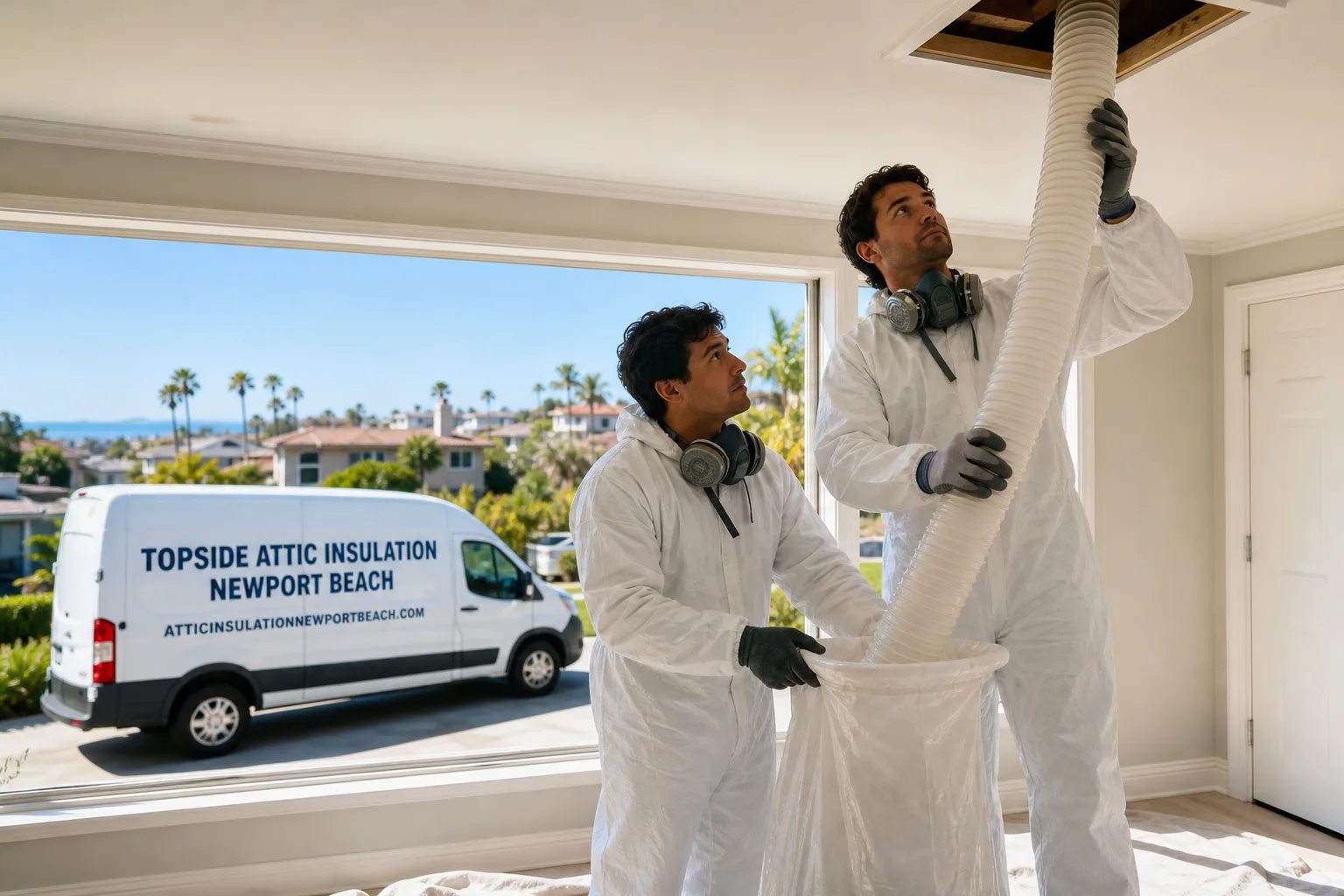
At Envelope Insulation Co., operating as Topside Attic Insulation Newport Beach, we follow the Haven Standard on every visit: a written price before any work starts, a documented photo record when we leave, and – on applicable jobs – before-and-after blower-door numbers so you can see exactly what the audit found, in a single figure, rather than reading a summary paragraph that tells you what to feel about it.
What Affects Home Energy Audit Pricing in Newport Beach
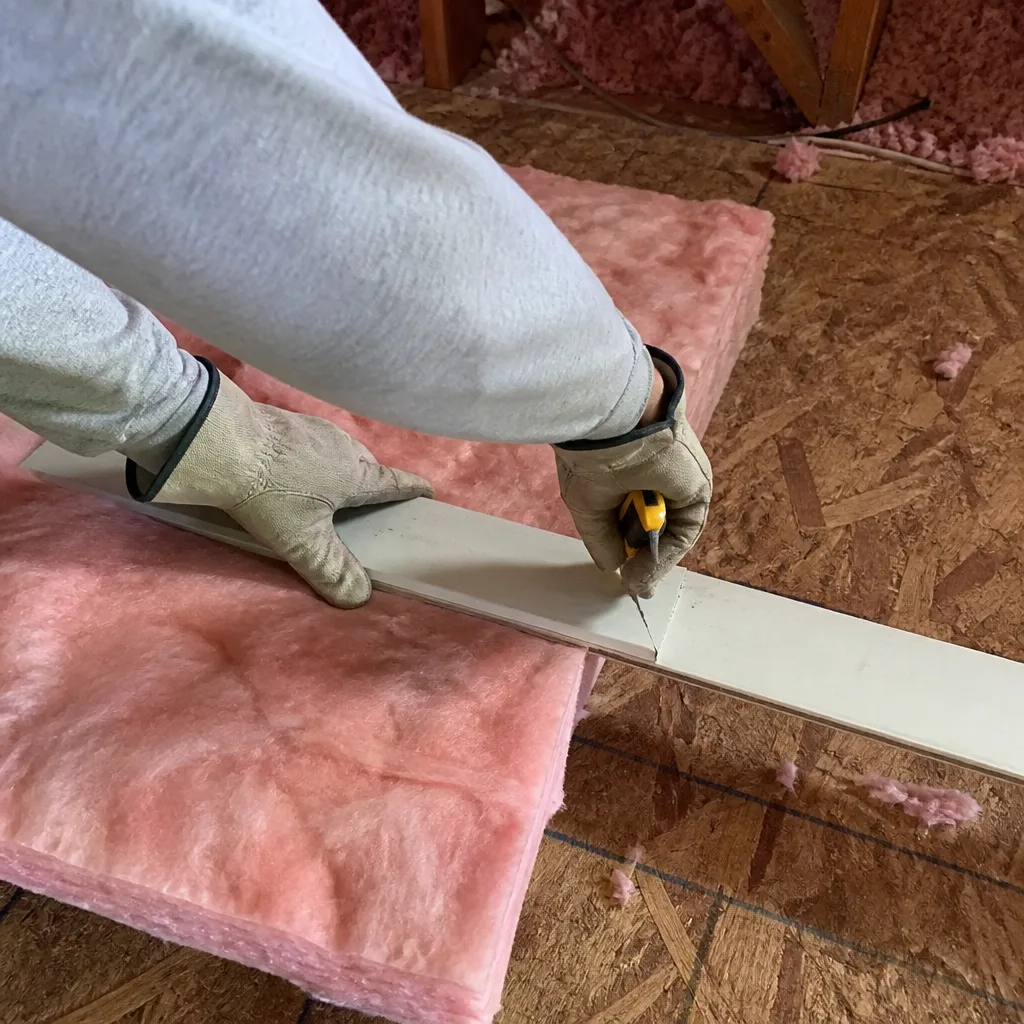
Six factors consistently move the price in this specific market. We’ve audited homes across Newport Beach since 2016 and these are the ones that actually show up on invoices:
- Home size and story count. Auditors price by time and complexity. A 1,800 sq ft single-story in Balboa Peninsula takes roughly 90 minutes for a full blower-door audit. A 4,500 sq ft two-story in Newport Coast with a basement and guest quarters can run four hours. More time, more equipment setups, higher cost – straightforwardly.
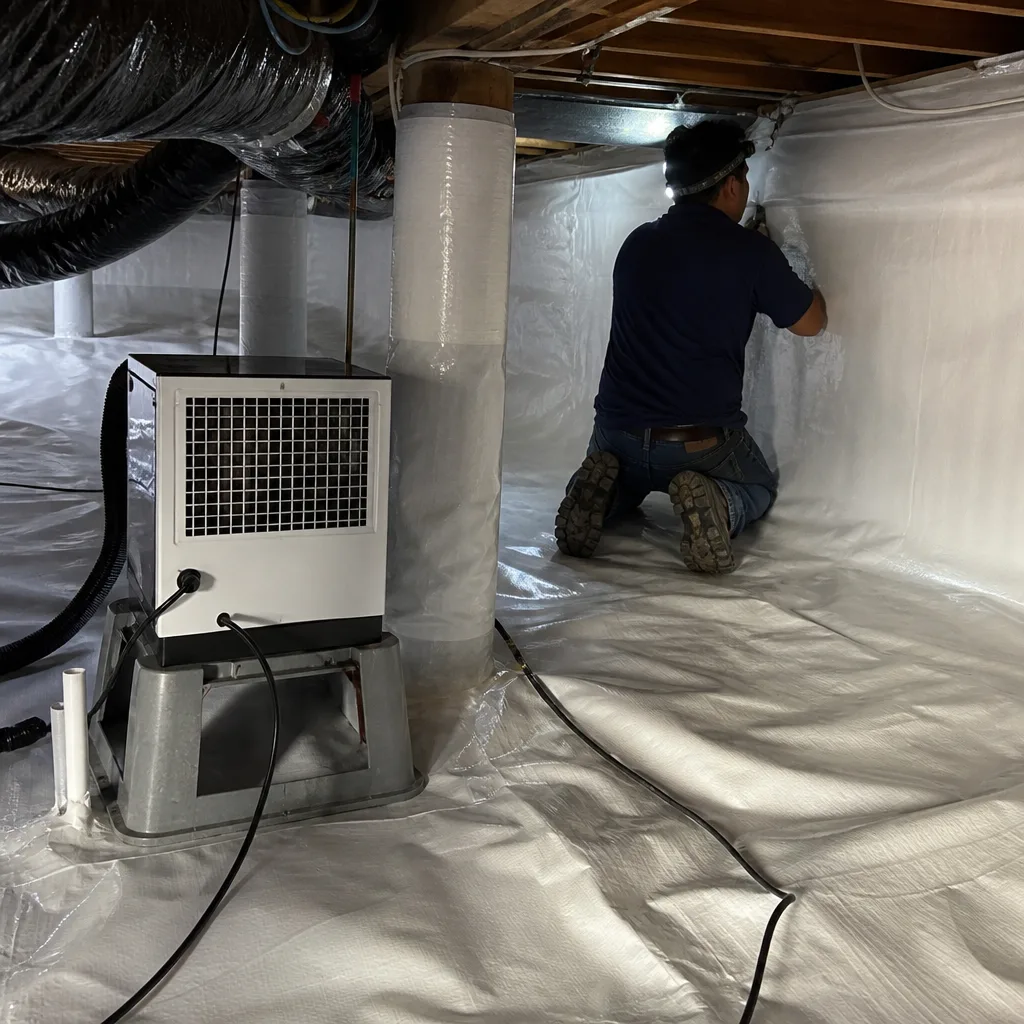
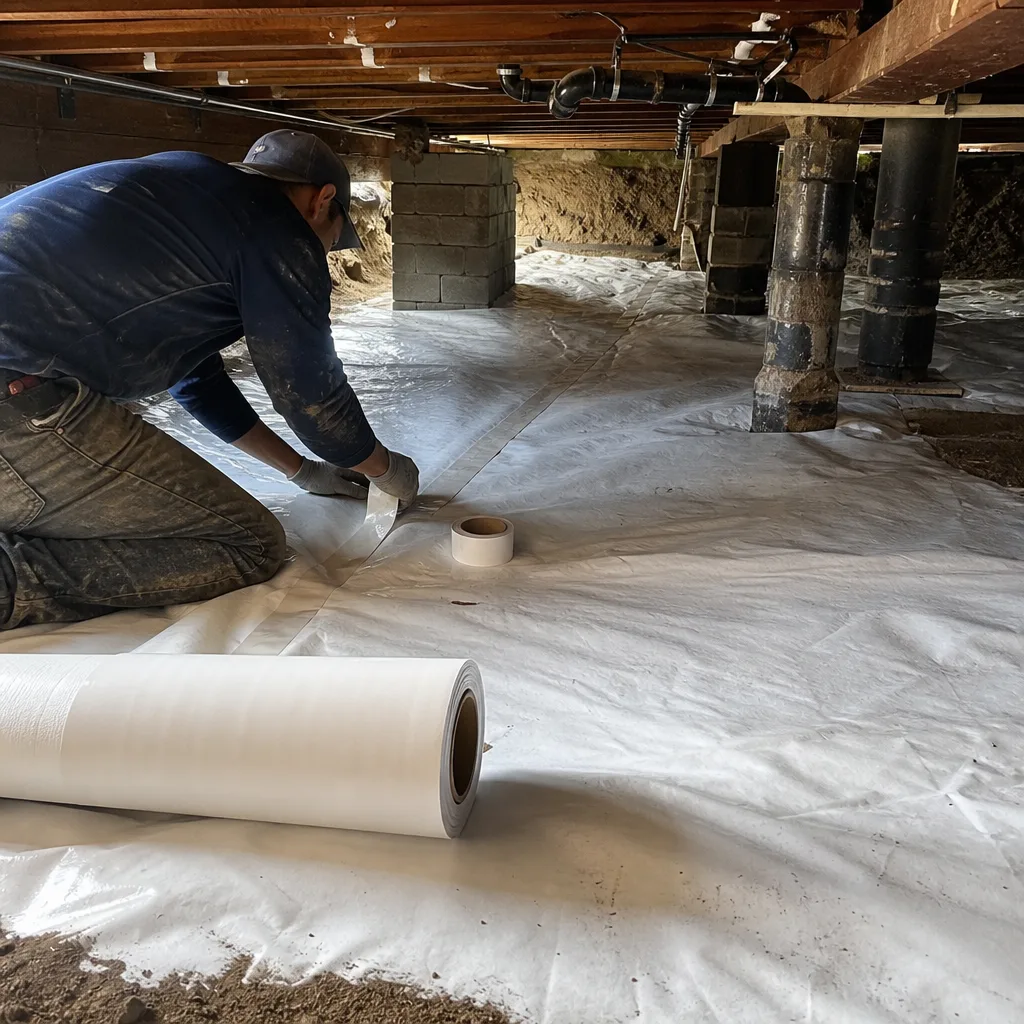
- Crawl space or raised foundation. Newport Beach has a notable concentration of homes with raised foundations in Balboa Island and the older Newport Heights streets. Accessing and assessing a crawl space – checking vapor barriers, floor insulation, and air sealing at the rim joist – adds 45 to 90 minutes to an audit and typically adds $75 to $150 to the price.
- Age of the home and original construction era. Homes built before 1980 in Newport Beach – a large share of the Mid-century stock in Cameo Shores and Eastbluff – tend to have more penetrations, older duct runs, and zero original air sealing at top plates. They take longer to document thoroughly and the findings tend to run longer. Auditors factor this in.
- Marine climate and salt air exposure. Newport Beach’s coastal position means duct connections, HVAC cabinets, and attic bypasses deteriorate faster than inland. An auditor working in Newport Coast or the Balboa Peninsula will often find duct tape that’s failed from humidity cycling that simply wouldn’t happen 20 miles inland in Irvine. This affects how thoroughly the duct system needs to be evaluated.
- Number of HVAC zones and duct systems. Larger homes in the 92657 zip code – Crystal Cove and Newport Coast – frequently have two or three separate HVAC systems. Each system requires its own duct pressurization test (duct blaster – a device that measures how much conditioned air your duct system loses before it reaches the registers). Each test adds time and cost.
- Scope requested by the homeowner. If you want the full picture – blower door, duct leakage, thermal scan of exterior walls, combustion safety testing of gas appliances – expect to pay toward the upper end of the range. If you want a specific answer to a specific problem (“why is my master bedroom 8 degrees warmer than the rest of the house?”), a targeted diagnostic can cost significantly less. Know what question you’re trying to answer before you schedule.
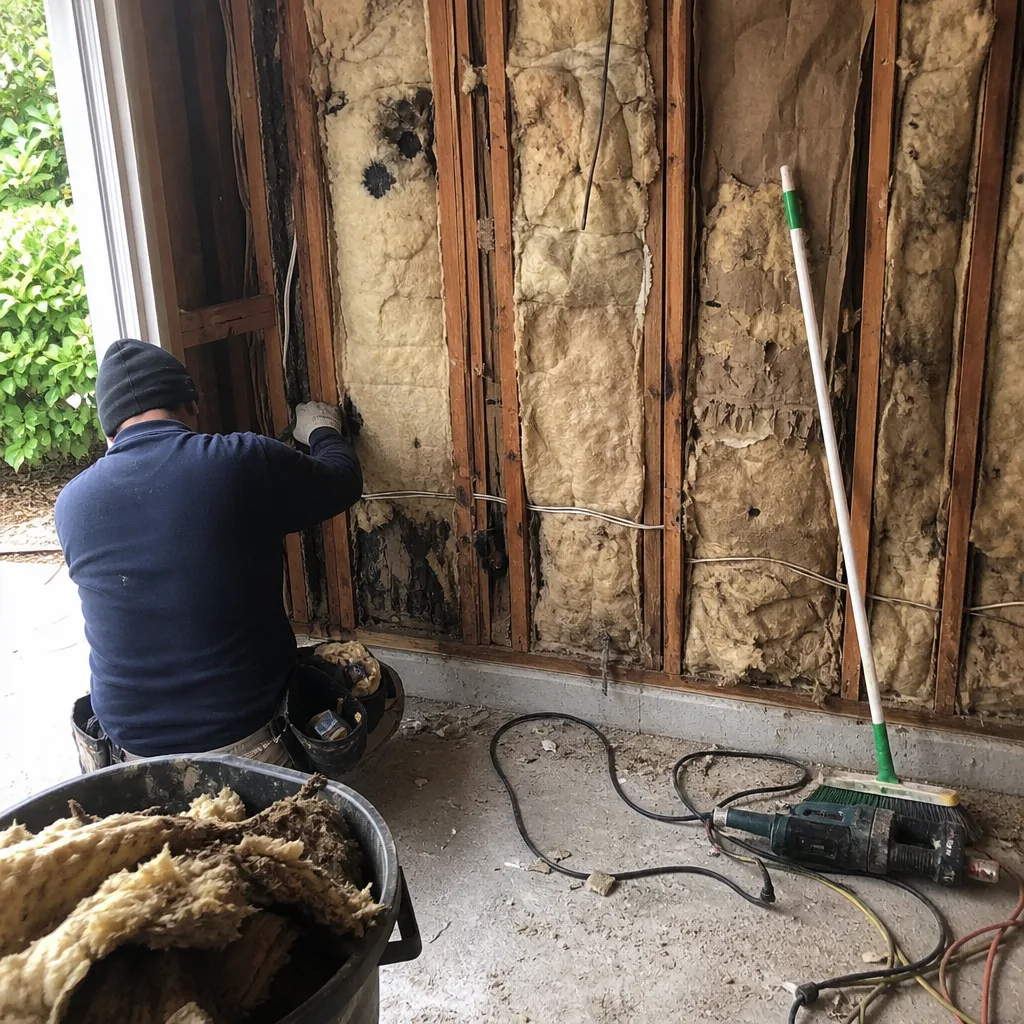 Before
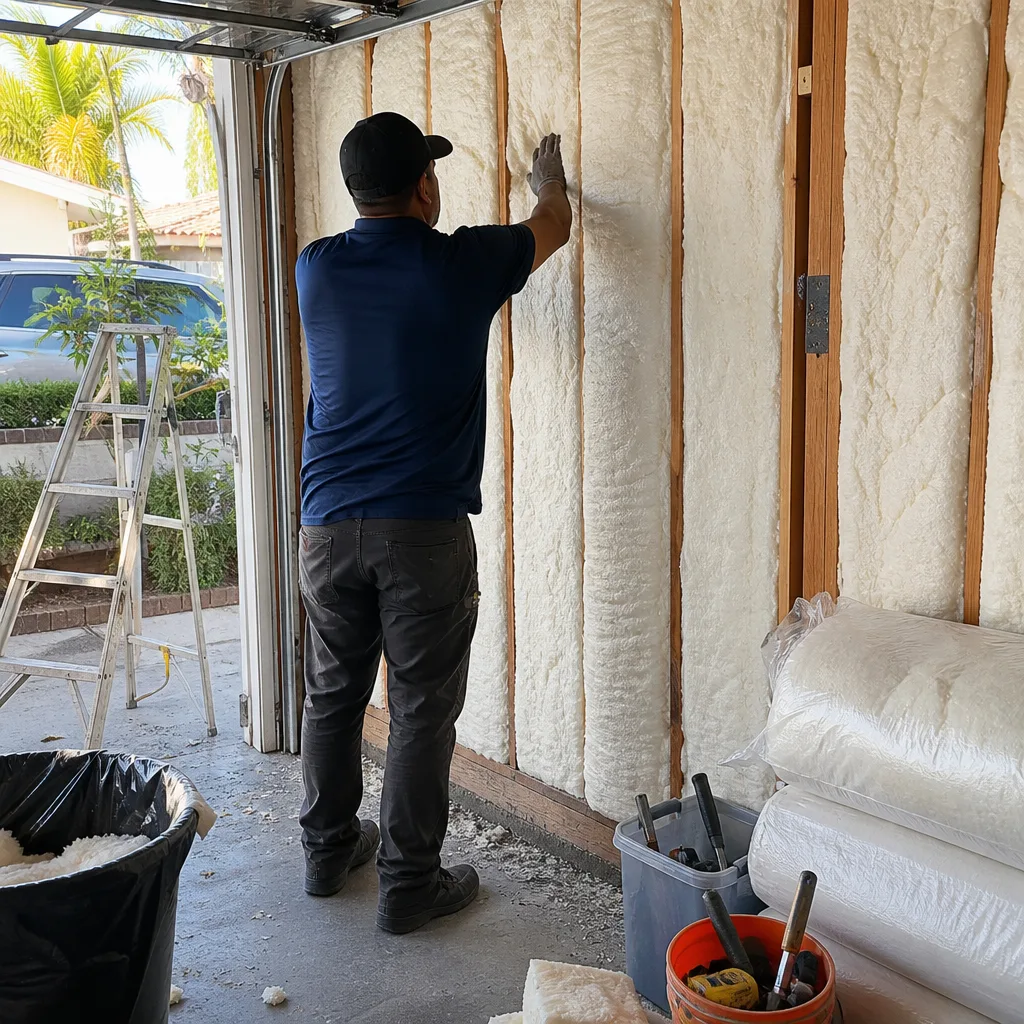 After
AfterWhat a Home Energy Audit Actually Tells You
This is where a lot of audit write-ups go vague, and that’s a problem. An audit that gives you a narrative summary without numbers leaves you negotiating with a contractor based on their opinion. An audit that hands you a blower-door reading – say, 3,800 CFM50 before any work – gives you a number you can verify, compare, and use to hold a contractor accountable.
CFM50 (cubic feet per minute at 50 pascals) is the standard unit for whole-house air leakage. A well-sealed Newport Beach home in the 2,000 sq ft range should read somewhere in the 1,200 to 1,800 CFM50 range, depending on when it was built and whether it’s been sealed. Homes we’ve audited in the older Newport Heights and Balboa Peninsula neighborhoods frequently come in at 3,500 to 5,000 CFM50 – sometimes higher. That gap represents conditioned air leaving the building through attic bypasses, top plates, recessed can lights, and unsealed plumbing penetrations.
Here’s what a proper written audit report from a Home Energy Audit in Newport Beach should include, at minimum:
- Before blower-door reading (CFM50 and ACH50 – air changes per hour at 50 pascals)
- Identified air leakage locations with photos
- Duct leakage reading if ducts were tested
- Current insulation R-values (measured, not assumed from construction documents)
- Written scope of recommended improvements with estimated costs
- After blower-door reading if remediation work was performed
If an audit report doesn’t include a before-reading and a list of specific leakage locations, you’ve paid for an opinion, not a measurement. Under the Haven Standard, Wes Okafor and the team at Envelope Insulation Co. deliver a documented photo record on every visit and publish before-and-after blower-door numbers on every applicable job – because a number you can read is worth more than a paragraph you have to trust.
Newport Beach-Specific Energy Audit Considerations
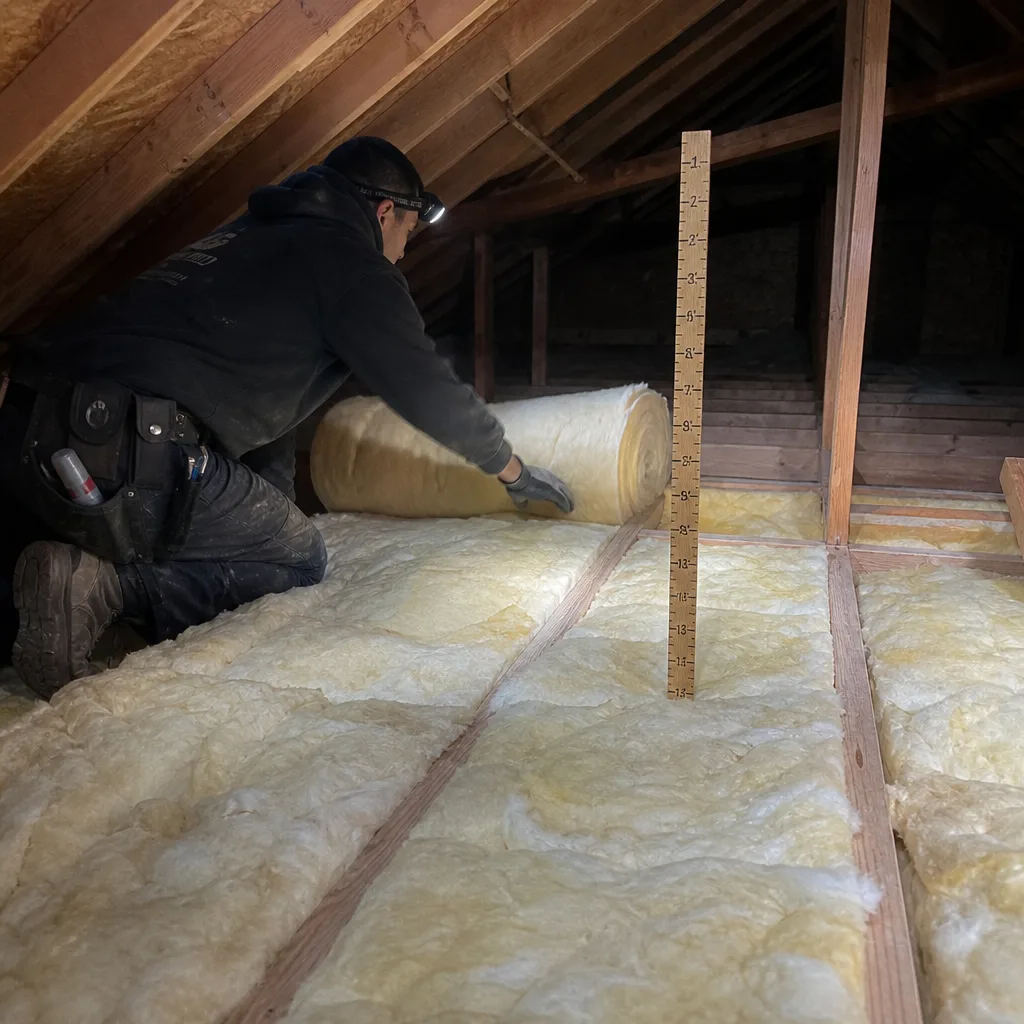
Newport Beach has a few local conditions that don’t come up on generic energy audit pages written for the national market. They’re worth knowing before you schedule.
The marine layer thermal effect
Homes within a half mile of the coast – Balboa Peninsula, Balboa Island, Corona del Mar beachside streets – experience nighttime temperatures that can drop 15 to 20 degrees in an hour as the marine layer rolls in. This temperature differential creates significant stack effect pressure, which means air infiltration through ceiling bypasses and attic hatches is more active here than in inland Southern California markets. A blower-door test quantifies this; a visual inspection misses it entirely.
Tile and flat roofs
Newport Beach’s coastal Mediterranean architecture favors tile and flat roofs. Flat roof homes – common in the 92660 zip code – have attic assemblies that are shallow or non-existent, which changes the insulation and air sealing picture entirely. The audit approach for a flat-roof home is different from a standard vented attic, and not every auditor adjusts their process accordingly. Ask specifically whether the auditor has experience with flat roof assemblies before booking.
HOA restrictions in Newport Coast and Pelican Hill
Several HOA-governed communities in Newport Coast and Pelican Hill have restrictions on exterior modifications. In most cases, energy audit work is diagnostic and triggers no permit requirements – but if the audit findings lead to exterior air sealing or foam work at the roofline, some HOAs require approval. It’s worth confirming with your HOA before remediation begins, not after.
SCE and SoCalGas rebate programs
Southern California Edison and SoCalGas both administer programs that can offset audit costs for qualifying Newport Beach homeowners. Eligibility depends on income, utility account status, and whether the audit is performed by a qualified participating contractor. These programs change year to year; the current program details are on the SCE and SoCalGas websites directly, and we recommend checking there rather than relying on any third-party summary that may be outdated.
How to Save on a Home Energy Audit in Newport Beach
There are real ways to reduce what you spend on an audit without reducing what you learn from it.
- Bundle the audit with remediation work. Many contractors – including Envelope Insulation Co. – will apply the audit cost toward the job if you proceed with recommended work. If you already know your attic needs attention and you want the data to confirm scope, this structure makes the audit effectively free within the project cost.
- Know what question you’re trying to answer. A full multi-system audit at $600 to $750 is the right call if you’re trying to understand the whole envelope. If you’re specifically trying to diagnose a comfort problem in one room, a targeted blower-door test combined with a thermal scan of that room’s wall assembly is faster, cheaper, and gives you a specific answer. Tell the auditor what you’re actually trying to solve.
- Check SCE and SoCalGas rebate eligibility before you book. Newport Beach falls in SCE territory. If you qualify for a subsidized audit, your out-of-pocket cost could drop to $50 to $150. Confirming eligibility takes about 10 minutes on their respective websites.
- Get a second opinion on any written estimate. If you’ve already received an audit report with a remediation scope attached and you’re not sure the numbers are right, bring it to us. Envelope Insulation Co. offers a free second opinion on any written estimate – we’ll read it with you, line by line, and tell you where the scope makes sense and where it doesn’t.
- Don’t pay for an audit from a contractor who won’t give you a written scope before work starts. This sounds obvious, but it’s common: an auditor identifies a problem, quotes remediation work verbally, and starts the job before you have a written scope. The Haven Standard requires a written price and written scope before anyone lifts a tool – on audits and on every job that follows.
For a free estimate on an energy audit or insulation work in Newport Beach, call (657) 261-8265. A live person answers – no voicemail, no callback window measured in business days.
The Air Sealing Question: Why It Matters Before You Spend on Insulation
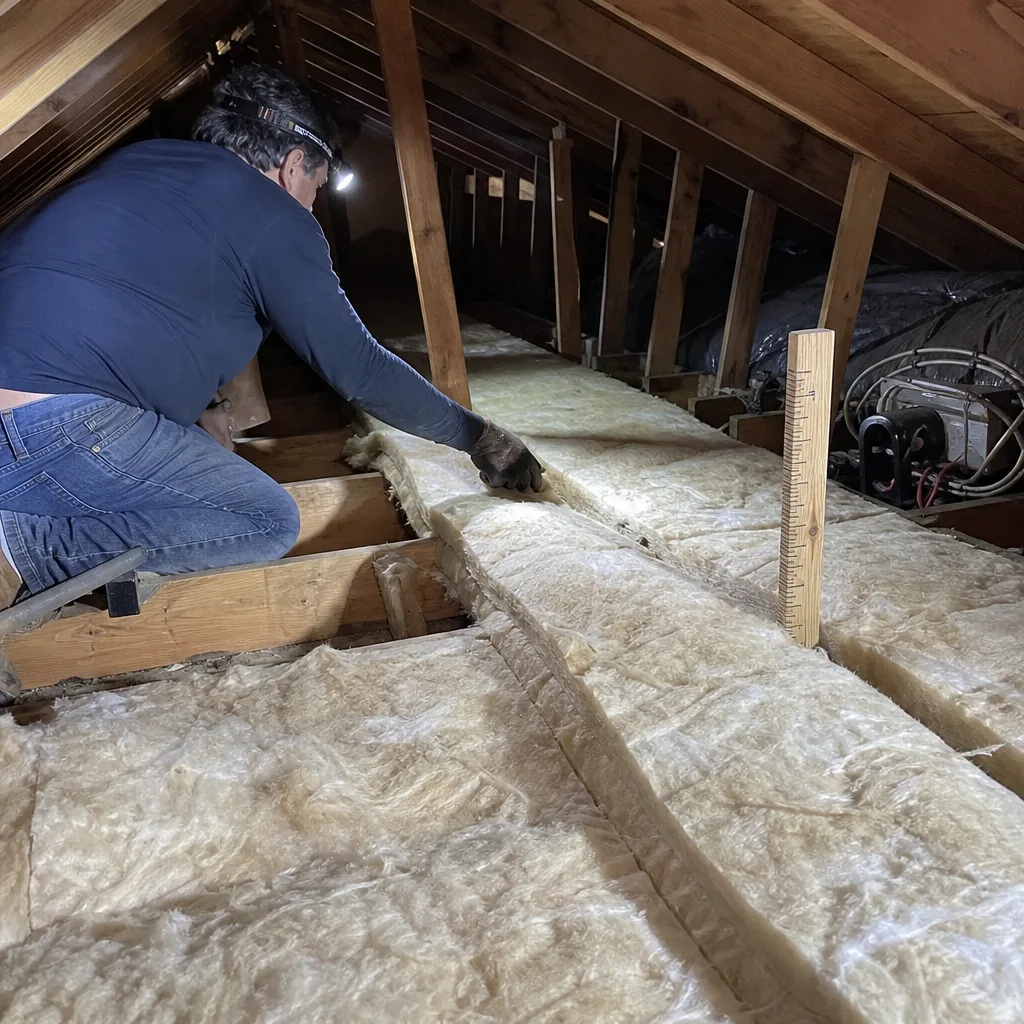
A home energy audit in Newport Beach frequently reveals the same pattern: insulation was added at some point – blown-in cellulose over the attic floor, maybe new batts in the walls – but air sealing was never done first. The result is that the insulation slows conduction (heat moving through material) but does nothing to stop convection (warm air moving through gaps). You’ve paid for R-38 at the ceiling and you’re still losing conditioned air through every top plate penetration and recessed can in the house.
This is the reason Envelope Insulation Co. treats air sealing as a hard prerequisite, not an add-on. We will not blow insulation over an unsealed attic floor. Air sealing of top plates, can lights, and penetrations is completed first – and then the insulation goes in. The audit establishes the before reading. After sealing, the blower door runs again. You get both numbers in writing.
In Newport Heights, we regularly find attic floors where previous contractors added 10 to 12 inches of blown fiberglass over unsealed can lights and open top plates. The CFM50 readings on these homes often show no meaningful improvement over homes with the original thin insulation layer – because the air pathway was never closed. The energy audit surfaces this. Remediation without an audit often misses it entirely.
What to Expect on Audit Day
Under the Haven Standard, you get a named technician and a text when they’re on the way. Here’s what the visit typically looks like for a standard audit in Newport Beach:
- Pre-visit written price. Before anyone arrives, you have a written price and written scope. No surprises at the end.
- Walk-through and visual assessment. The technician walks the home with you, noting the HVAC system age and configuration, visible insulation conditions in the attic and any crawl space, window and door conditions, and obvious penetration points.
- Blower-door setup. A calibrated fan is mounted in an exterior door opening and depressurizes the home to 50 pascals. The CFM50 reading captures the total air leakage of the building envelope in a single number. This takes roughly 20 to 30 minutes to set up and run.
- Leakage location identification. With the home depressurized, an incense stick or smoke pencil near suspect areas – attic hatch, recessed lights, top-plate junctions, plumbing penetrations – shows exactly where air is moving. These locations are photographed and documented.
- Duct testing (if included in scope). A duct blaster measures how much air your duct system leaks before it reaches the registers. In Newport Beach homes with attic duct runs, this number is often surprisingly high.
- Thermal scan (if included). An infrared camera shows temperature differentials at walls and ceilings that indicate insulation gaps or moisture intrusion. Useful in older Newport Beach homes where original batt insulation has settled or been disturbed.
- Written findings and documented photo record. Before leaving, the technician provides or schedules delivery of a written report including all readings, documented locations, photos, and recommended remediation scope with pricing. On applicable jobs, Wes Okafor reviews and signs off on the report.
FAQs – Home Energy Audit Cost in Newport Beach
How much does a home energy audit cost in Newport Beach in 2026?
A standard blower-door energy audit for a Newport Beach home costs between $300 and $500 for most single-family homes under 2,500 sq ft. Larger homes in Newport Coast or Crystal Cove with multiple HVAC systems can run $650 to $1,200. A basic visual inspection without equipment starts around $100 to $200, though it produces no verifiable data. Call (657) 261-8265 for a written estimate specific to your home’s size and configuration – estimates are free.
Is a home energy audit worth the cost in Newport Beach?
Yes, in most cases – particularly for Newport Beach homes built before 1990. The marine-layer temperature cycling and older construction mean air leakage rates in pre-1990 homes here frequently run two to three times higher than current code targets. A $400 audit that identifies $1,800 in air sealing work typically pays back the audit cost within the first year in reduced HVAC runtime, and the remediation itself carries a 365-Day Done Right Promise when done under the Haven Standard. The audit gives you the number (your CFM50 reading) that tells you whether the remediation is worth pursuing.
Does Southern California Edison offer rebates for energy audits in Newport Beach?
SCE does administer programs that can offset home energy audit costs – current eligible Newport Beach residents may pay as little as $0 to $150 out of pocket depending on the program and contractor qualification. Program terms change; check directly at sce.com or call SCE to confirm current availability. SoCalGas runs a parallel program for gas customers. Neither rebate is guaranteed, but it’s worth confirming eligibility before you pay full price.
How long does a home energy audit take?
A standard blower-door audit of a Newport Beach home in the 1,800 to 2,500 sq ft range typically takes 2 to 3 hours on-site. Add 45 to 60 minutes if a crawl space is included, and another 30 to 45 minutes per HVAC system if duct testing is in scope. Larger estate homes in Newport Coast can run 4 to 5 hours for a full multi-system diagnostic. You’ll have the written findings and documented photo record before or shortly after the technician leaves.
Can I skip the audit and just add insulation?
You can, but it frequently produces poor results in Newport Beach’s older housing stock. Adding insulation over an unsealed attic floor doesn’t stop air movement through top plates, can lights, and penetrations – it only slows conducted heat transfer. Homes we’ve audited in Newport Heights and on Balboa Peninsula regularly show R-38+ insulation depth with CFM50 readings that indicate almost no improvement in air tightness over homes with original thin insulation. The audit tells you whether air sealing needs to happen first – and in the majority of pre-1985 Newport Beach homes, it does. Envelope Insulation Co. will not install insulation over an unsealed attic floor; the air sealing comes first, every time.
What’s the difference between a cheap audit and a thorough one?
Price alone doesn’t tell you. The meaningful difference is whether the auditor uses calibrated equipment that produces verifiable numbers. A blower-door test gives you a CFM50 reading – a number that any other auditor with the same equipment can reproduce. A visual walkthrough gives you one person’s opinion. For a Newport Beach home, a $300 to $500 audit that includes a blower-door reading and a documented photo record of leakage locations is worth significantly more than a $150 visual inspection with a summary paragraph. Ask what equipment is being used and what numbers you’ll receive in writing before you book.
Key Takeaways
- Most Newport Beach home energy audits with a blower-door test cost $300 to $500 for homes under 2,500 sq ft.
- Larger or more complex homes – Newport Coast estates, multi-HVAC homes, properties with crawl spaces – run $650 to $1,200+.
- SCE and SoCalGas rebate programs can reduce out-of-pocket costs significantly for qualifying homeowners.
- A real audit delivers verifiable numbers (CFM50, duct leakage percentage, current R-values) – not just a written narrative.
- Newport Beach’s marine climate, older construction stock, and crawl space prevalence make full blower-door audits more valuable here than in most inland California markets.
- Air sealing always comes before insulation – an audit tells you what needs sealing and where; never add insulation to an unsealed attic floor.
- Under the Haven Standard, every Envelope Insulation Co. audit includes a written price before any work starts, a documented photo record, and before-and-after blower-door numbers on applicable jobs.
Schedule Your Newport Beach Energy Audit
If you want a clear number – a CFM50 reading that tells you exactly how much conditioned air your home is losing – and a written scope of what it would take to fix it, call Envelope Insulation Co. at (657) 261-8265. A live person answers. No voicemail, no callback window. We serve Newport Beach and surrounding communities, and every estimate is free and written before any work starts. Wes Okafor reviews and stands behind every audit report we deliver.
Bring us a competing written estimate and we’ll read it with you – the free second opinion offer applies to energy audit scopes as much as insulation jobs. If the scope is right, we’ll tell you. If something doesn’t add up, we’ll tell you that too.
Pricing reflects the Newport Beach market as of 2026. Topside Attic Insulation Newport Beach offers free estimates – call (657) 261-8265.
Written by Wes Okafor, Owner at Envelope Insulation Co., serving Newport Beach since 2016.
What Our Customers Say
"Two other companies quoted to blow more insulation on top of what was there. These were the only ones who said the existing material had to come out first, and explained why."
- Clifford E."Crawl space encapsulation done properly. Photographs of the vapour barrier at every seam, and the damp smell in the hallway is gone."
- Ainsley P."They air-sealed the attic floor before insulating and showed me the blower-door number before and after. The upstairs is finally the same temperature as downstairs."
- Marisol D.