
Rockwool Crawl Space Encapsulation: The Newport Beach Owner’s Guide
We stock and install Rockwool-compatible crawl space encapsulation systems in Newport Beach, with most completed jobs running between $3,800 and $7,200 depending on crawl square footage and whether the foundation needs active dehumidification tied in. Same-day starts are available when we have your measurements and photos ahead of the crew’s arrival. Most Newport Beach homeowners discover their Rockwool encapsulation has failed when they notice a sharp musty return after months of controlled humidity, or when their energy bill climbs without explanation and the crawl access reveals sagging vapor barrier or separated seam tape along the Newport Beach sand-line perimeter.
Which Rockwool Models This Applies To
Rockwool does not manufacture a dedicated crawl space encapsulation kit, so “Rockwool-compatible” in this context means the stone wool insulation boards or batts already installed in your Newport Beach crawl, paired with the vapor barrier, seam tape, and mechanical fastening system needed to complete the thermal and moisture envelope. The critical match is between your existing Rockwool product density and the encapsulation accessories that will hold seal under coastal humidity.
If your crawl currently holds Rockwool Comfortbatt, the 3.5-inch and 5.5-inch thicknesses are what we see most in Newport Beach ranch homes built between 1955 and 1985. The Comfortbatt R-value printed on the bag, typically R-15 or R-23, does not change your encapsulation spec, but the board density does affect how we mechanically fasten the vapor barrier without compressing the wool and creating cold spots. Rockwool AFB (Acoustical Fire Batt) and Rockboard 60 can also appear in crawls where fire-rated separation was required; these are higher-density products that tolerate closer staple spacing without degradation.
The OEM route for vapor barrier means specifying compatible poly with Rockwool’s published permeance targets, though we typically source cross-laminated polyethylene from the same suppliers that stock Johns Manville and Knauf systems, achieving equivalent performance without the proprietary markup. Topside Attic Insulation Newport Beach is an independent service provider, not affiliated with Rockwool. We also stock Reflectix radiant barrier components for hybrid systems where the crawl has both stone wool and reflective needs.
Signs Your Rockwool Crawl Space Encapsulation Is Failing
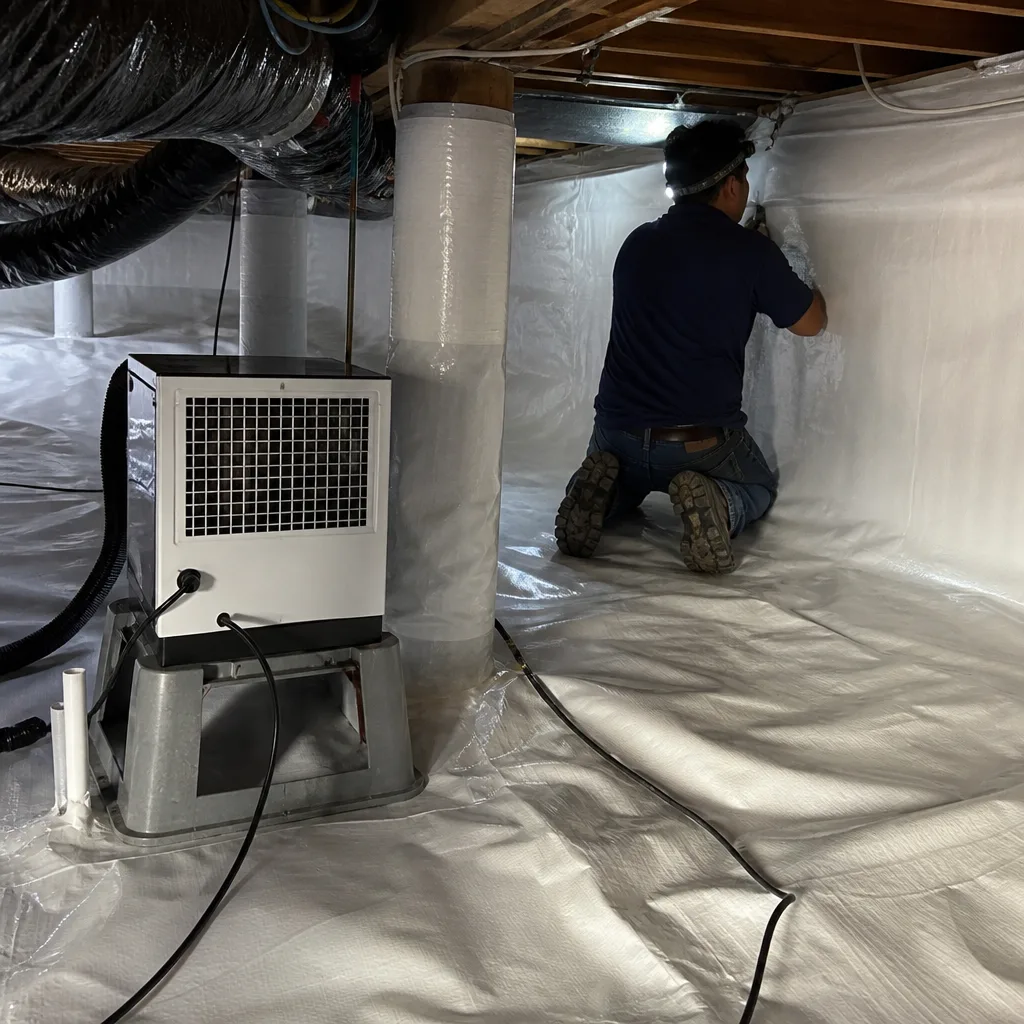
- Musty odor returning after prior elimination. The vapor barrier has separated at seams or pulled from the sill plate, letting Newport Beach’s marine layer penetrate and rehydrate organic material on the soil side. Your nose is detecting what the hygrometer may not yet show.
- Insulation sagging or fallen from joist bays. Rockwool is heavier than fiberglass; if the support netting or wire has corroded in salt air, the batts drop onto the crawl floor and lose all thermal value. We see this most in Balboa Peninsula homes within two blocks of the water.
- Energy bills climbing 15% or more with no rate change. Failed encapsulation means your crawl is effectively outside air temperature, forcing your HVAC to condition the floor plane above it. The blower-door test, a pressurization reading that shows in one number how much air your building envelope is losing, will reveal elevated leakage at the rim joist if the seal is gone.
- Visible mold or efflorescence on foundation walls. This means moisture is moving through the envelope faster than the dehumidifier, if one exists, can remove it. Rockwool itself is mold-resistant, but the wood it touches is not.
- Pest activity concentrated at vapor barrier edges. Rodents exploit gaps at seams and penetrations. A properly sealed encapsulation removes the habitat cues that draw them in; a failed one becomes a highway.
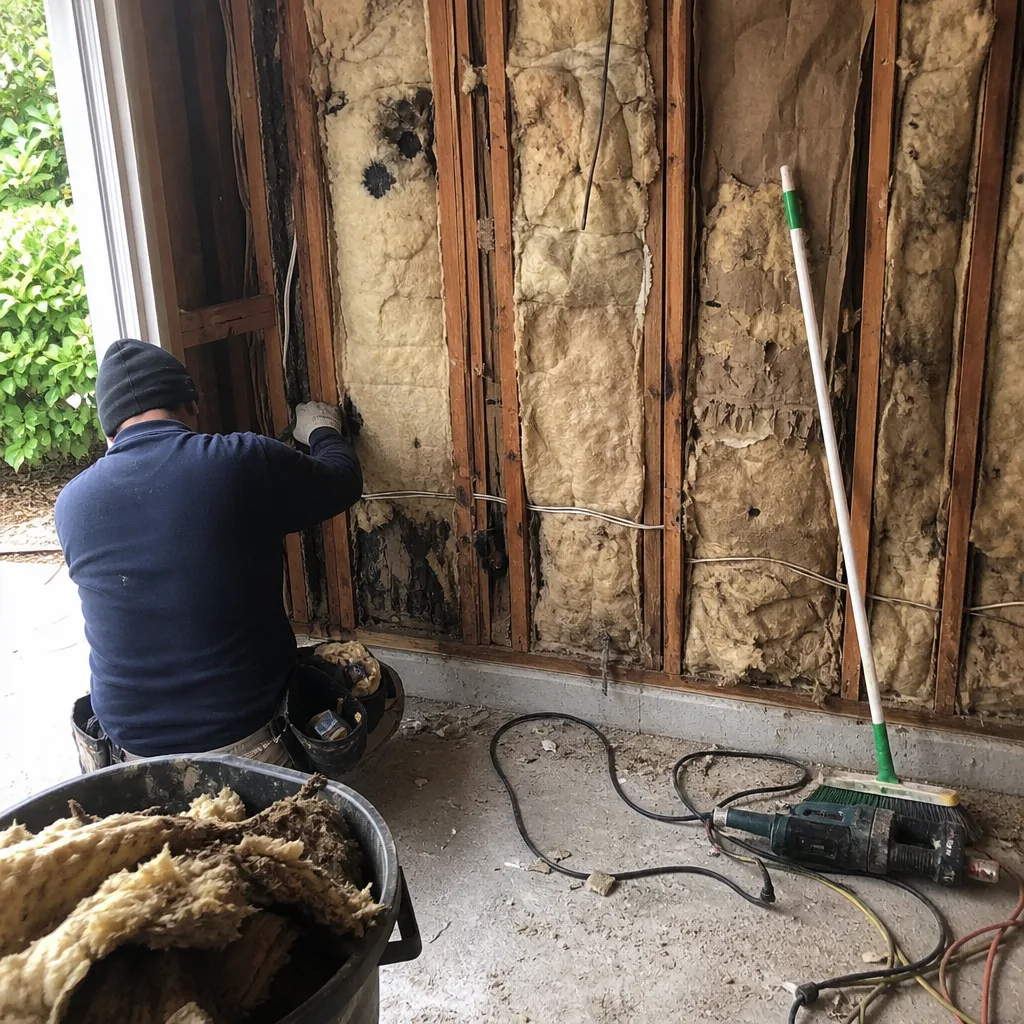 Before
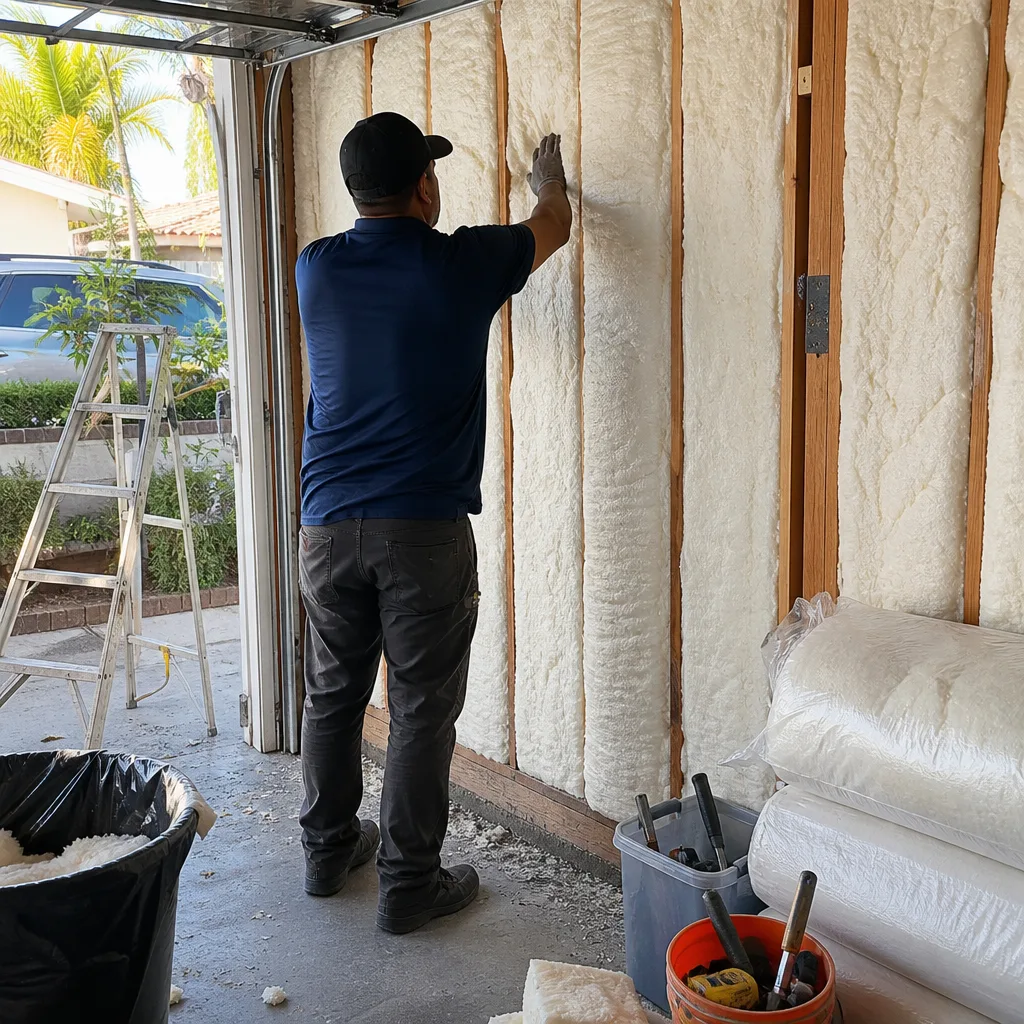 After
AfterReplacement Cost & What’s Included
For a typical Newport Beach crawl of 800 to 1,400 square feet, complete Rockwool-compatible encapsulation with 12-mil cross-laminated vapor barrier, sealed seams, mechanical fastening, and rim-joist air sealing runs $3,800 to $5,400. If the crawl requires a dedicated dehumidifier with condensate pump and discharge line, or if we discover compromised subfloor insulation that must be removed and replaced, the range extends to $5,800-$7,200.
What drives the spread: crawl height (belly-crawls take longer), existing debris removal, whether the home has a post-and-pier foundation with more linear feet of seam, and whether the Newport Beach municipal inspector requires permit and inspection for mechanical dehumidification. We pull permits when required; the fee is listed separately on your written scope.
Every job closes with a Documented Photo Record, and on applicable jobs we run before-and-after blower-door tests so you can verify the air-sealing result in CFM50, not just our word. Work is backed by our 365-Day Done Right Promise.
DIY or Call Us?
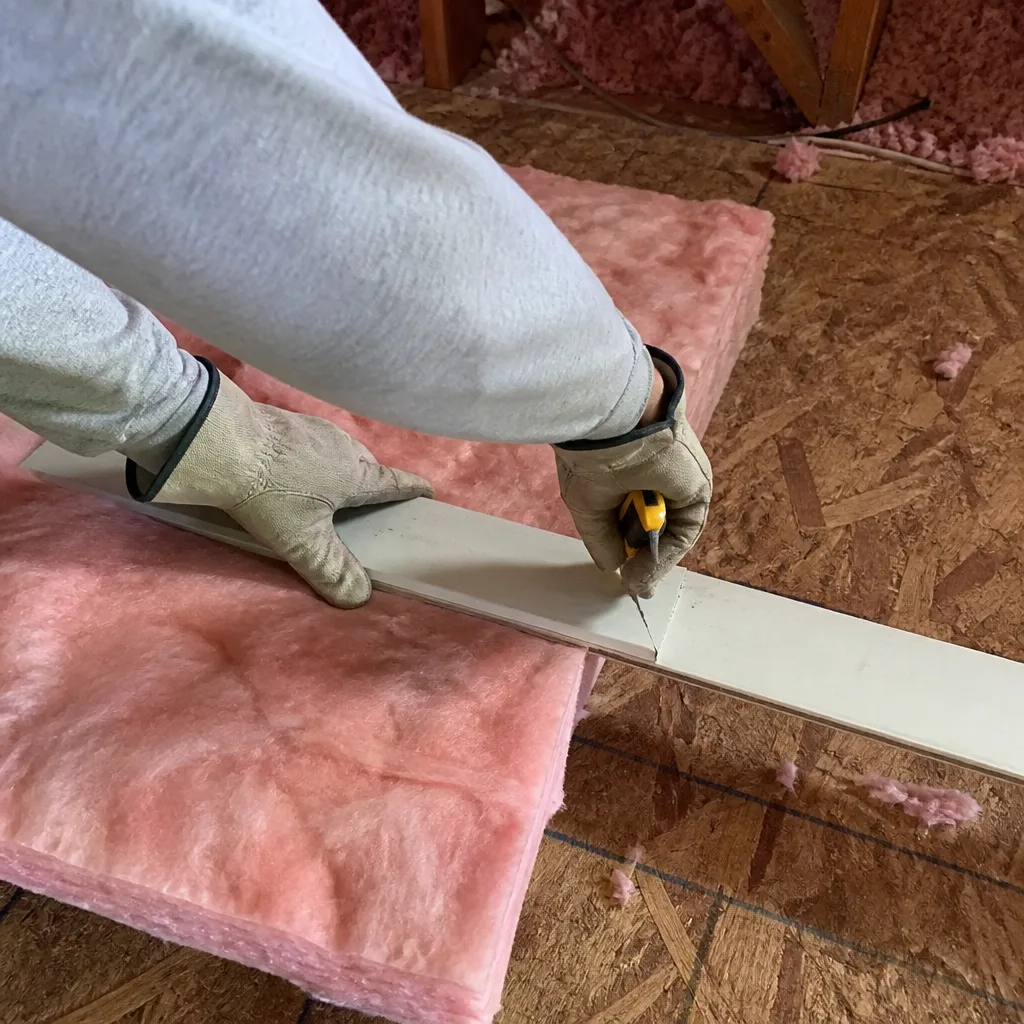
An owner can safely inspect their own crawl with a headlamp and a respirator rated for particulates: look for fallen batts, separated tape at seams, and standing water. Photograph what you find; it helps us prepare.
Where DIY goes wrong is in the sequencing. We’ve found homeowners in Corona del Mar and the Newport Heights who installed new vapor barrier over unsealed rim joists, trapping moisture against the sill plate and accelerating rot. Others compressed Rockwool while stapling, destroying the R-value they were trying to preserve. The dehumidifier sizing math, based on ACH50 and crawl volume, is also commonly miscalculated by half. If your crawl has active mold, disturbed vermiculite, or rodent droppings, respiratory protection requirements escalate quickly. Call (657) 261-8265 and we’ll read your photos with you, no charge.
FAQs
How long does Rockwool crawl space encapsulation last in Newport Beach?
Properly installed systems with 12-mil or thicker barrier typically perform 15 to 20 years in Newport Beach’s coastal climate, though UV-degraded seam tape near foundation vents can fail earlier if the home lacks vent covers. Salt air accelerates corrosion on mechanical fasteners, which is why we specify stainless or polymer components within two miles of the water. Call (657) 261-8265 for an exact assessment of your current system - estimates are free.
Can I repair my encapsulation instead of replacing it?
Spot repair is viable when failure is limited to one or two seam separations and the vapor barrier itself is still supple and unperforated. If the barrier has become brittle, if mold is present on the soil side, or if the Rockwool has been compressed or water-stained, partial repair wastes money on a system that will continue failing. We offer free second opinions on any written estimate, including your own DIY material list. Call (657) 261-8265.
How long does the replacement take?
Most Newport Beach crawls are completed in one to two working days. Day one is removal, cleaning, air sealing, and barrier installation; day two, if needed, is dehumidifier commissioning and final blower-door verification. We text your named technician’s arrival window the morning of.
Do you stock Rockwool-compatible encapsulation parts?
Yes. Our trucks carry 12-mil and 20-mil cross-laminated vapor barrier, butyl seam tape, stainless fasteners, and dehumidifiers sized for typical Newport Beach crawl volumes. Rockwool insulation itself is ordered to spec if replacement is needed; we do not stock batts on the truck because density and thickness must match your existing assembly. Call (657) 261-8265 - if you send photos, we can confirm truck stock before dispatch.
Seal the leaks first. Then insulate. The R-value on the bag means nothing if the air is moving freely around it. We’ve applied that sequence to over 9,000 homes since 2016, every one with a written price before work started and a documented record when the crew left.
Call (657) 261-8265 for a free estimate. A live person answers, 24/7. Bring us a competing quote and we’ll read it with you - free second opinion, no obligation.
Written by Wes Okafor, Owner, Topside Attic Insulation Newport Beach at Topside Attic Insulation Newport Beach, serving Newport Beach and nearby areas.