
Owens Corning Vapor Barrier Installation: The Newport Beach Owner’s Guide
We stock and install Owens Corning-compatible vapor barrier systems in Newport Beach, with most crawl space and attic floor jobs running between $1,800 and $3,400 for a complete installation depending on square footage and existing condition. Same-day starts are available when we have your measurements, and we carry 6-mil and 10-mil reinforced polyethylene on every truck. Most Newport Beach homeowners discover their vapor barrier has failed when they spot condensation droplets on the underside of their subfloor, catch a musty smell that spikes after Santa Ana wind events, or notice their hardwood floors cupping from below-grade moisture migration.
Which Owens Corning Models This Applies To
Owens Corning does not manufacture standalone vapor barrier film under its own brand, but their complete encapsulation systems, particularly the Owens Corning Basement Finishing System and specified EnergyComplete crawl packages, call out 10-mil reinforced poly with woven scrim as the approved ground cover. If your home was built between 2015 and 2022 in Newport Beach and the original installer specified Owens Corning materials, you’re likely looking at either a 6-mil basic ground cover or the heavier 10-mil system with sealed seams and mechanical fastening to foundation walls.
To identify what you have, check the stamped labeling on the poly sheet itself. Owens Corning-specified barrier will show ASTM E1745 Class A or Class C ratings, with Class A required for habitable crawl spaces under California Title 24. The compatibility gotcha we see most in Newport Beach: some installers used 6-mil non-reinforced poly to hit a lower bid, and that material degrades in 3-5 years under our UV exposure through foundation vents. The OEM-specified replacement is 10-mil woven, but we also install quality aftermarket equivalents from Reflectix and Stego that meet the same ASTM ratings at lower cost. We do not claim exclusive or preferred status with Owens Corning; we’re an independent service provider and source from multiple manufacturers including Johns Manville, Knauf, and Rockwool.
Signs Your Owens Corning Vapor Barrier Installation Is Failing
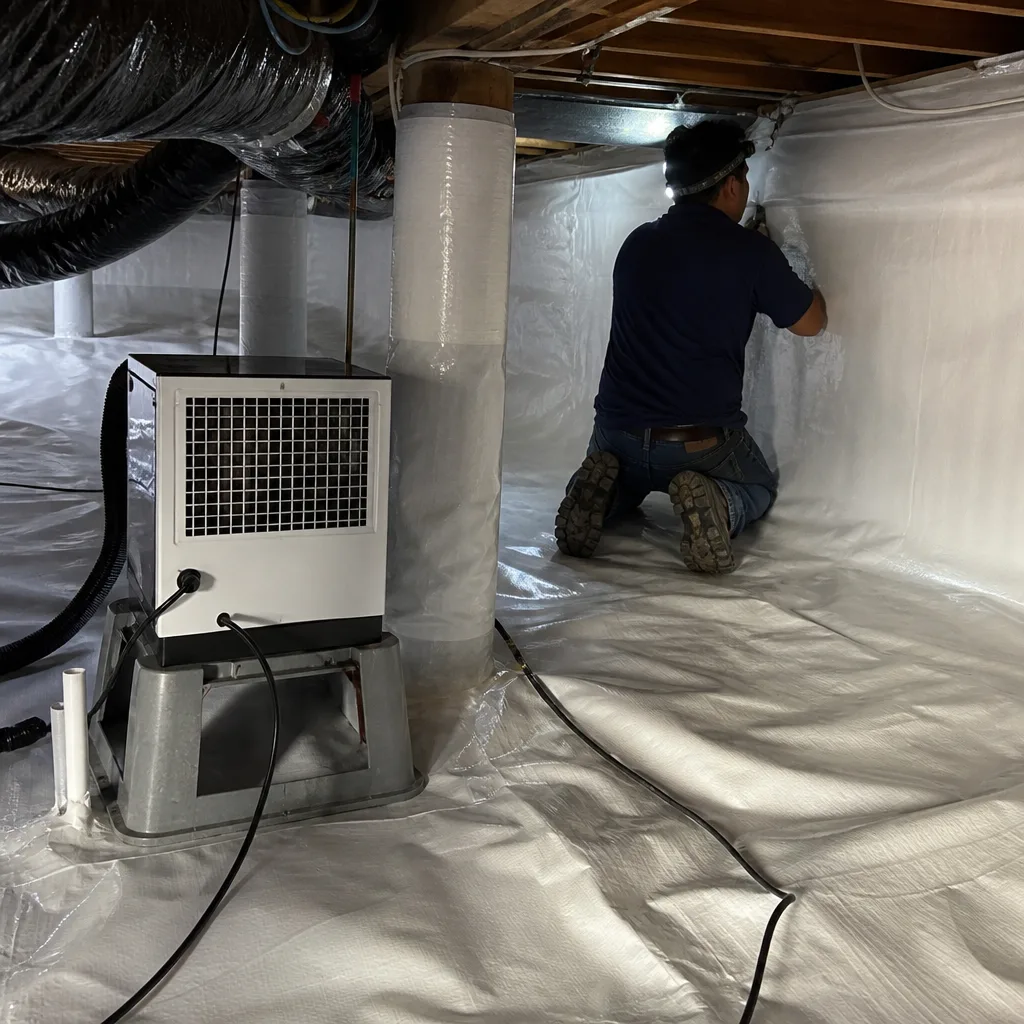
- Condensation on the barrier underside. When warm, humid coastal air from Newport Beach meets cooler crawl space temperatures, a compromised barrier lets moisture condense against the subfloor. This usually shows first above kitchen and bath plumbing runs where the ground is most disturbed.
- Tears or disintegration at seam tape lines. Owens Corning systems rely on pressure-sensitive acrylic tape at overlaps. In our climate, that adhesive fails in 4-7 years if the original crew didn’t clean the poly surface before application. We find this constantly in Corona del Mar hillside homes where installers rushed the prep.
- Musty odor that worsens after Santa Ana winds. The hot, dry Santa Anas create negative pressure in crawl spaces, pulling conditioned air down through floor gaps and drawing out trapped moisture from exposed soil. If you smell it only during wind events, your barrier has lost its seal at the perimeter.
- Hardwood cupping or tile grout cracking. Moisture migrating upward through a failed barrier raises the equilibrium moisture content of your subfloor. In Newport Beach’s 2,800-3,200 heating degree-day climate, this damage accelerates in winter when indoor relative humidity drops and the wood tries to equalize.
- Visible standing water or efflorescence on foundation walls. A properly sealed barrier redirects groundwater evaporation back into the soil. When it’s torn, that evaporation hits the crawl air and condenses on cooler block walls, leaving white mineral deposits that signal active moisture loading.
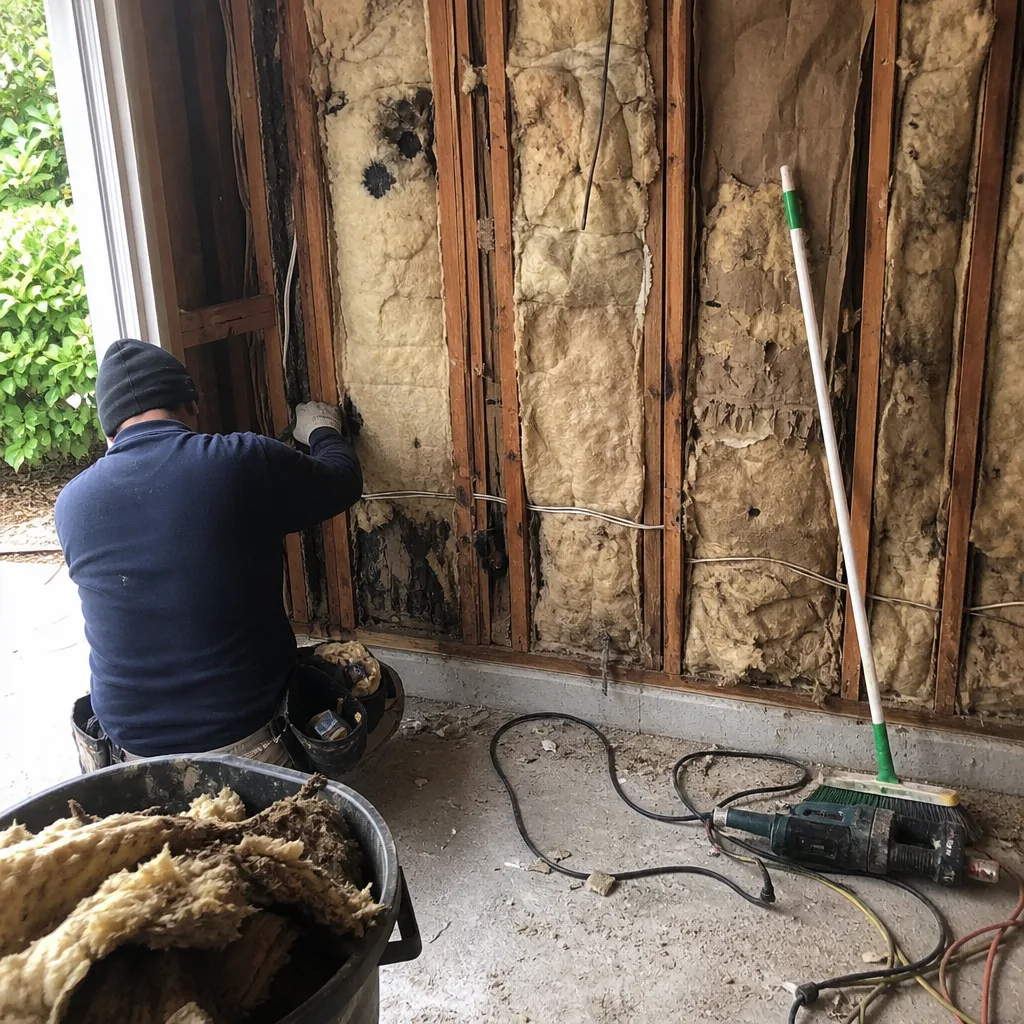 Before
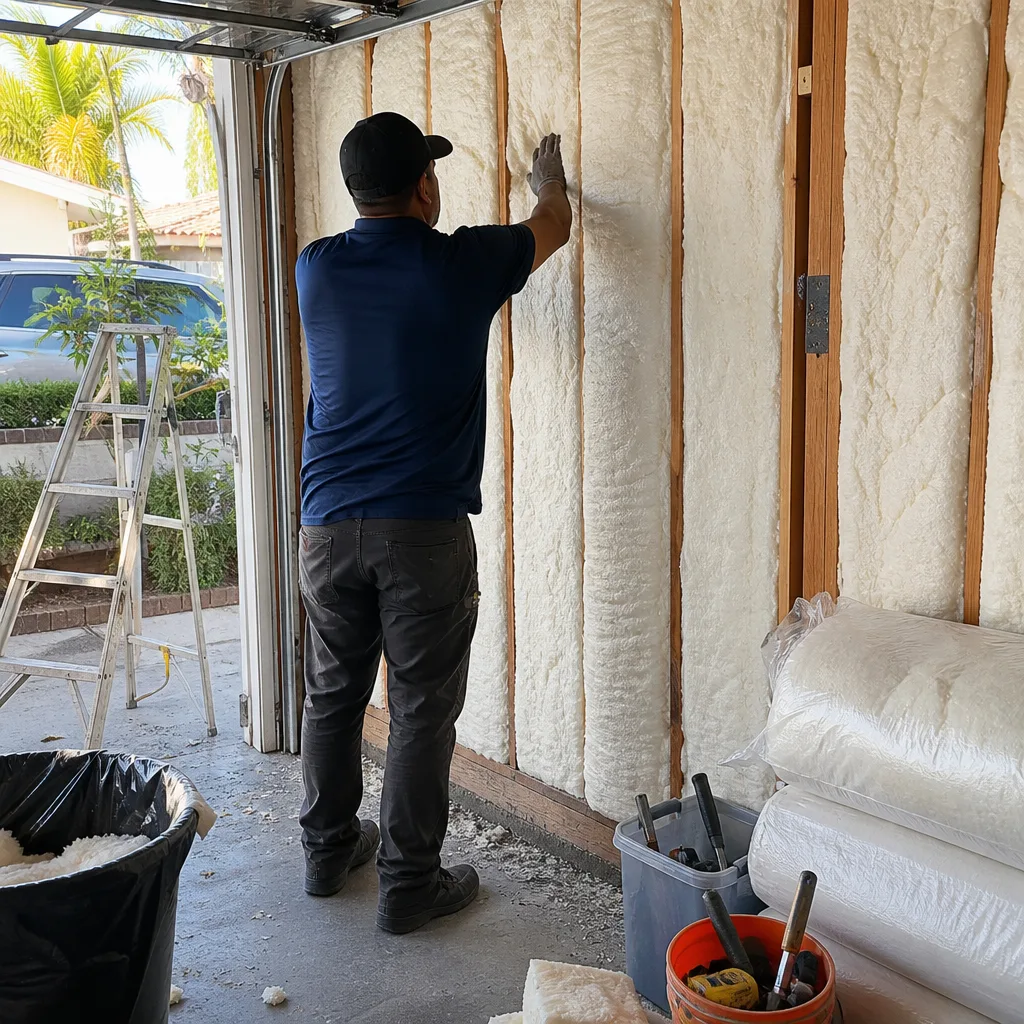 After
AfterReplacement Cost & What’s Included
For a typical Newport Beach crawl space or attic floor between 800 and 1,500 square feet, complete Owens Corning-compatible vapor barrier installation runs $1,800-$2,800 for 6-mil replacement, or $2,400-$3,400 for 10-mil reinforced with full perimeter sealing and mechanical fastening. Drive factors: accessibility (how much of the crawl we can stand in), existing debris removal, and whether we find unsealed penetrations that need addressing first.
Every job includes the written price before any work starts, per Haven Standard Clause 1. No exceptions. Labor covers removal of failed material, surface prep, new barrier layout with 12-inch minimum overlaps, seam sealing with compatible tape, and mechanical termination at foundation walls. We also include a Documented Photo Record of the completed installation, and on applicable jobs, before-and-after blower-door readings to verify we haven’t left new air leaks behind. The 365-Day Done Right Promise covers all workmanship. Materials carry manufacturer warranty where applicable.
DIY or Call Us?
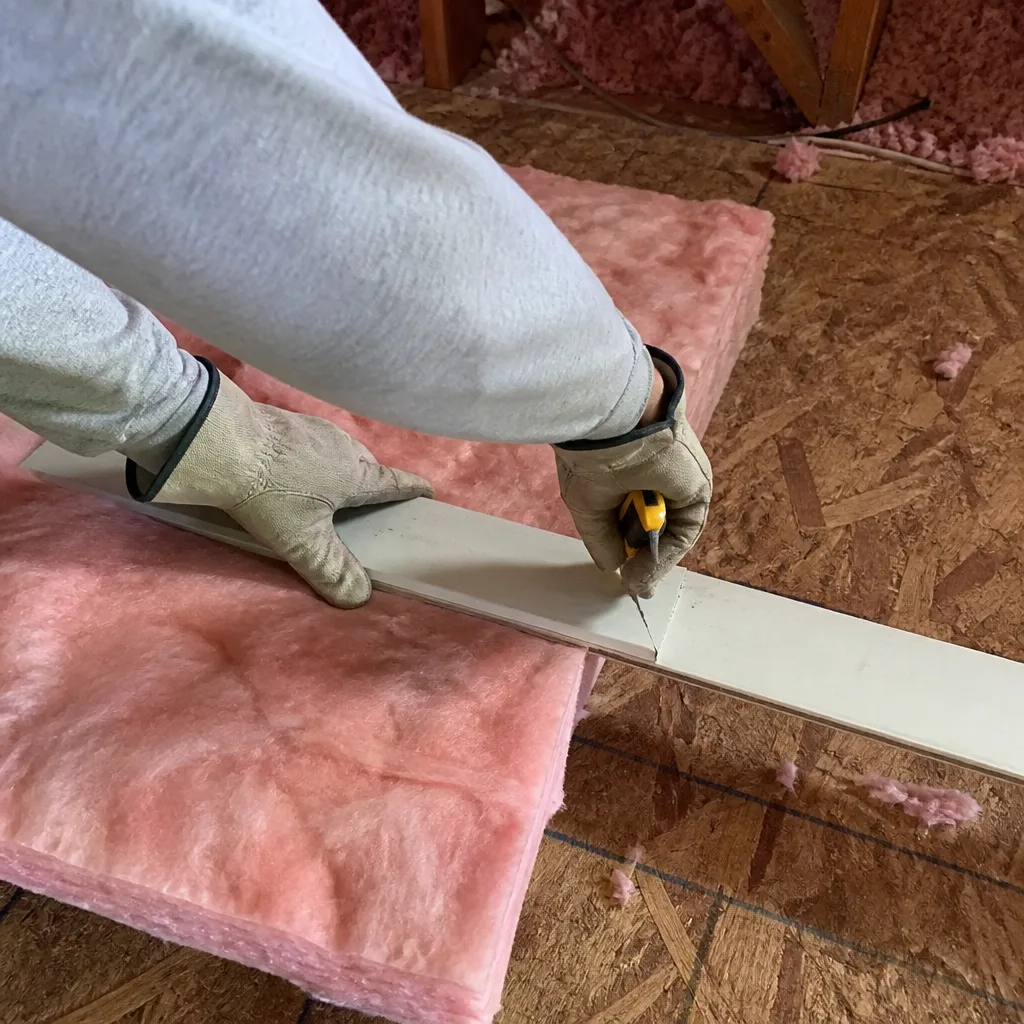
There’s no high-tension danger in vapor barrier work, but there is a respiratory and environmental hazard we flag plainly: most failed barriers in Newport Beach sit over soil with rodent activity, fungal growth, or decades of accumulated organic debris. Disturbing that without proper PPE and negative-air containment is how homeowners end up with persistent respiratory issues. We wear half-face respirators with P100 cartridges on every crawl entry; you should too, or not enter at all.
What you can safely check from the hatch: look for tears, standing water, and whether the barrier is still fastened at the perimeter walls. What DIY gets wrong: inadequate overlap, wrong tape for the poly type, and sealing over wet soil that traps moisture underneath. The R-value on your insulation bag means nothing if the air is moving freely around it. Same for vapor barrier: seal the leaks first, then lay the new poly. If your crawl has active water intrusion or rodent damage, call us at (657) 261-8265 - we’ll give you a free second opinion on any written estimate you’ve already received, and we’ll show up with the actual materials on the truck.
FAQs
Properly installed 10-mil reinforced poly with sealed seams lasts 15-20 years in Newport Beach’s coastal climate; 6-mil non-reinforced degrades in 3-5 years due to UV exposure through foundation vents and thermal cycling. The key lifespan variable is installation quality, not just material grade. Call (657) 261-8265 for an exact assessment of your existing barrier’s condition - estimates are free.
Patching works for isolated punctures smaller than a dinner plate using compatible tape and scrap poly, but widespread seam failure, embrittlement, or rodent damage means full replacement is the only lasting fix. We’ve seen too many Newport Beach homeowners pay for three patch jobs that equal one proper install. We stock both repair materials and full replacement systems; we’ll tell you which makes sense after we look.
Most residential crawl spaces in Newport Beach take one full day for a two-person crew; larger homes or those requiring debris removal and air sealing first may run into a second day. We arrive with materials on the truck and do not leave for supply runs mid-job. You’ll get a written start and completion time in your scope before anyone enters the crawl space.
We carry 6-mil and 10-mil reinforced polyethylene in standard roll widths on every truck, along with compatible seam tape, mechanical fasteners, and perimeter termination systems. While we source from Owens Corning, Reflectix, and other manufacturers, we do not stock every proprietary Owens Corning SKU; if your warranty or HOA requires exact OEM material, we can source it with a 2-3 day lead time. Most Newport Beach homes do not require this level of specification.
Written by Wes Okafor, Owner, Topside Attic Insulation Newport Beach at Topside Attic Insulation Newport Beach, serving Newport Beach and nearby areas.