
Johns Manville Vapor Barrier Installation: The Newport Beach Owner’s Guide
We stock and install Johns Manville-compatible vapor barriers in Newport Beach, with most crawl space and attic-floor installations running between $1,800 and $3,400 depending on square footage and whether the existing barrier is torn or merely delaminated. Same-day installation is available when we have your dimensions and access type confirmed by phone. Most Newport Beach homeowners discover the failure during a home inspection, a musty smell rising from the crawl space, or after pulling back insulation to find condensation beading on the underside of the subfloor.
Johns Manville vapor barriers are polyethylene sheeting rated for below-grade and attic applications, typically 6-mil to 20-mil depending on the assembly. The 10-mil and 15-mil reinforced products are what we see most often in Corona del Mar and Lido Isle homes built between 1985 and 2010, where the original 6-mil non-reinforced sheet has degraded from salt air and seasonal groundwater fluctuation. We are an independent service provider with no affiliation to Johns Manville.
Which Johns Manville Models This Applies To
Johns Manville does not sell vapor barriers by “model number” in the way an HVAC unit does. Instead, look for the JM logo and product code printed on the rolled edge or factory seam tape. Common codes we encounter in Newport Beach: JM 6100 (6-mil clear), JM 6150 (6-mil black), JM 10200 (10-mil reinforced), and JM 15250 (15-mil string-reinforced). The 10-mil and 15-mil products carry a fiberglass or polyester scrim that resists tearing during installation over rough soil or gravel.
To identify what you have, measure the thickness with a micrometer or caliper at an undamaged edge, and note whether the sheet has a woven grid visible when held to light. The 15-mil reinforced is what we specify for Balboa Peninsula properties within 500 yards of the water, where soil moisture runs higher year-round. OEM Johns Manville sheet is what we stock, though we also carry a reinforced polyethylene equivalent from Reflectix for homeowners who want a comparable spec at a lower price point. The compatibility gotcha: JM 10200 and JM 15250 have different seam-tape adhesion profiles. Using standard 6-mil tape on the 15-mil reinforced product will delaminate within 18 months in Newport Beach’s marine climate.
Signs Your Johns Manville Vapor Barrier Installation Is Failing
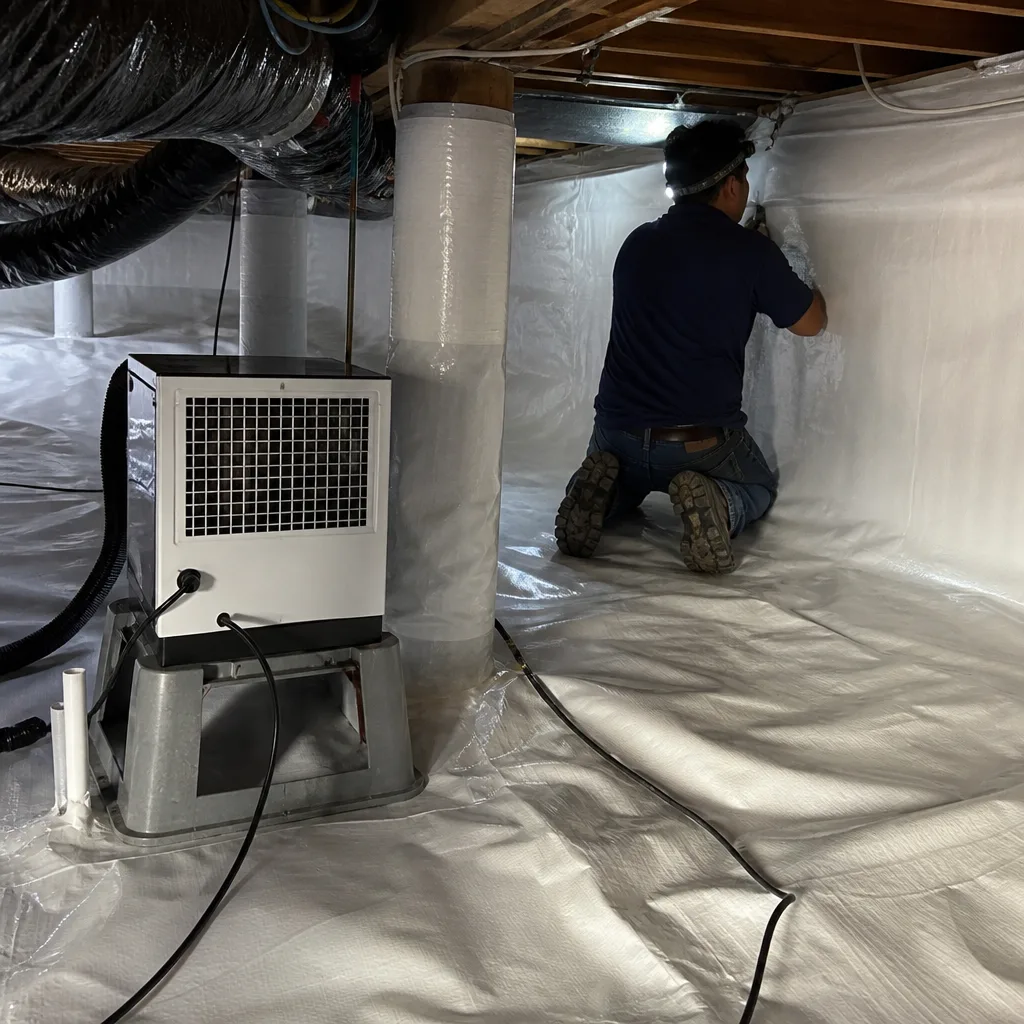
- Condensation on the subfloor underside. Warm, humid exterior air is migrating through tears or unsealed seams in the barrier, hitting the cooler subfloor and condensing. In Newport Beach, this accelerates from March through June when morning marine layer keeps soil temperatures low while daytime air warms.
- Musty odor that worsens after rain. The barrier has lost its seal at the perimeter or around piers, allowing soil gas and moisture to enter the crawl space envelope. We see this most in Harbor View Hills homes where clay-heavy soil holds moisture longer than the sandy loam near the beach.
- Visible tears, pooling, or sheet displacement. Rodent activity, trades traffic, or hydrostatic pressure has compromised the sheet. The 6-mil products fail first, usually at the 7-to-10-year mark in California coastal conditions.
- Insulation saturation or compression. Fiberglass batts above the barrier have absorbed moisture, losing R-value and creating a mold vector. This is the point where air sealing and vapor barrier replacement become urgent, not deferred.
- White powder or efflorescence on the barrier surface. Mineral deposits from evaporating moisture indicate chronic water migration beneath or through the sheet. The barrier is no longer performing its primary function.
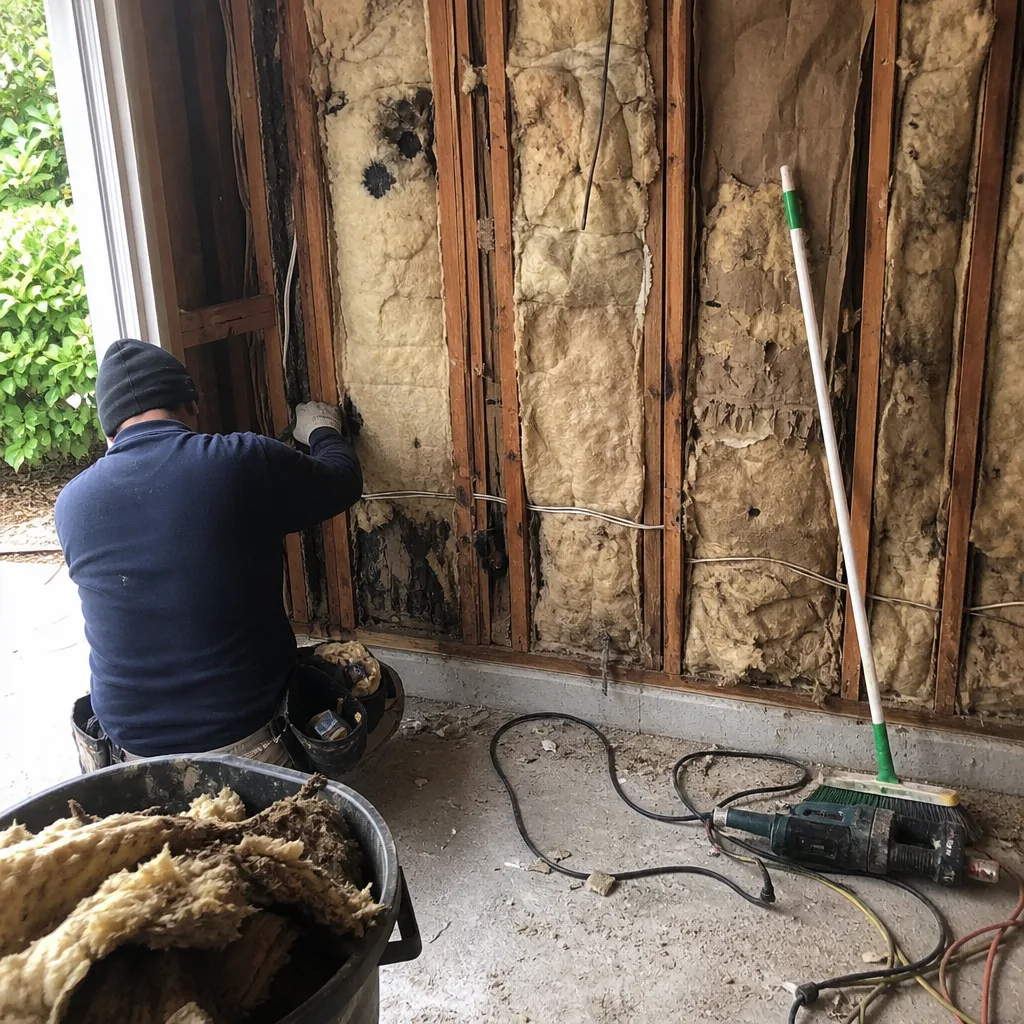 Before
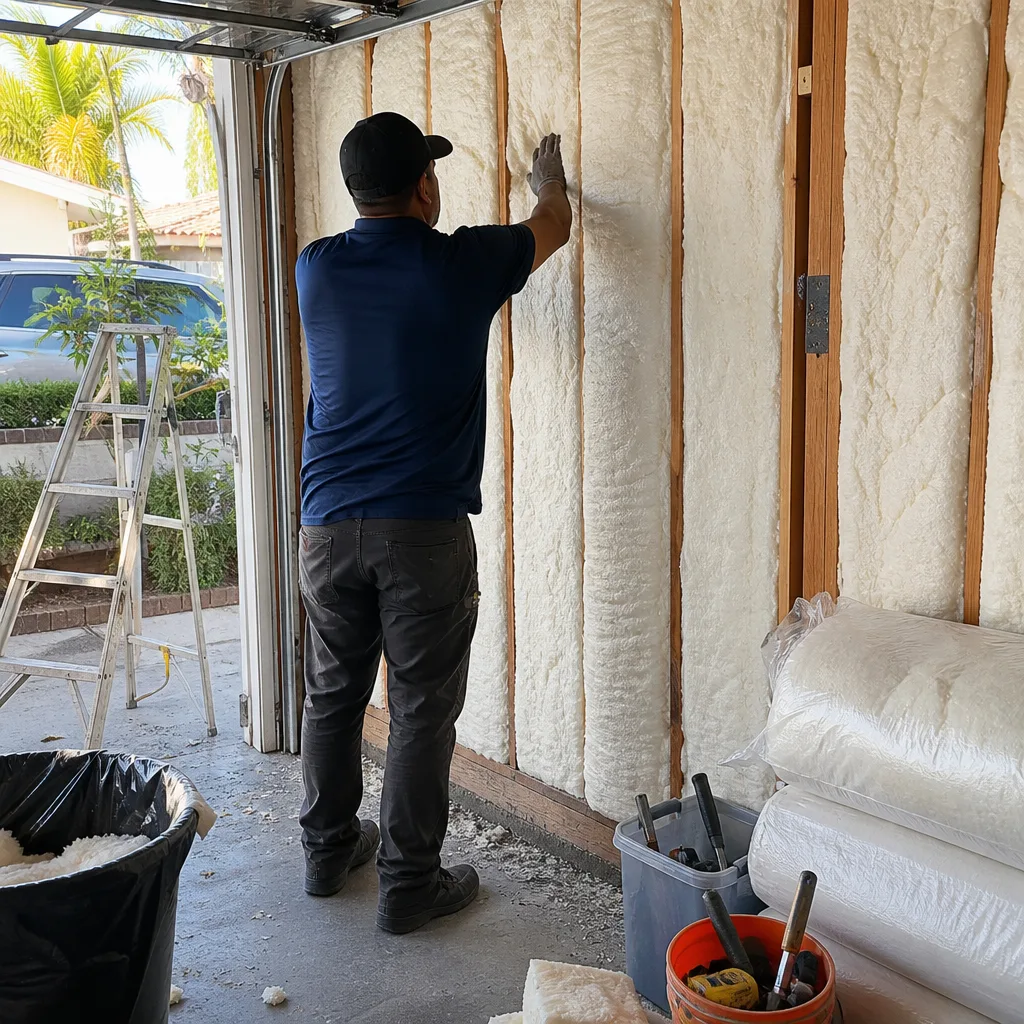 After
AfterReplacement Cost & What’s Included
Most Johns Manville vapor barrier replacements in Newport Beach run $1,800 to $3,400 for crawl spaces under 1,500 square feet, and $2,800 to $4,800 for larger footprints or attic-floor applications requiring removal of existing insulation. The range reflects three variables: thickness of the replacement sheet (6-mil versus 15-mil reinforced), whether the soil surface needs grading or drainage correction first, and how many piers, ducts, and plumbing runs must be cut around and sealed.
Every replacement includes removal and haul-away of the failed barrier, surface prep, JM or equivalent sheet installation with overlapped and taped seams, perimeter sealing to foundation walls, and pier wrapping with compatible tape. We deliver a written scope and written price before any work starts, per Haven Standard Clause 1. The 365-Day Done Right Promise covers installation workmanship. On applicable jobs, we provide before-and-after blower-door readings so you can verify that the crawl space and attic floor are no longer communicating with conditioned space above.
DIY or Call Us?
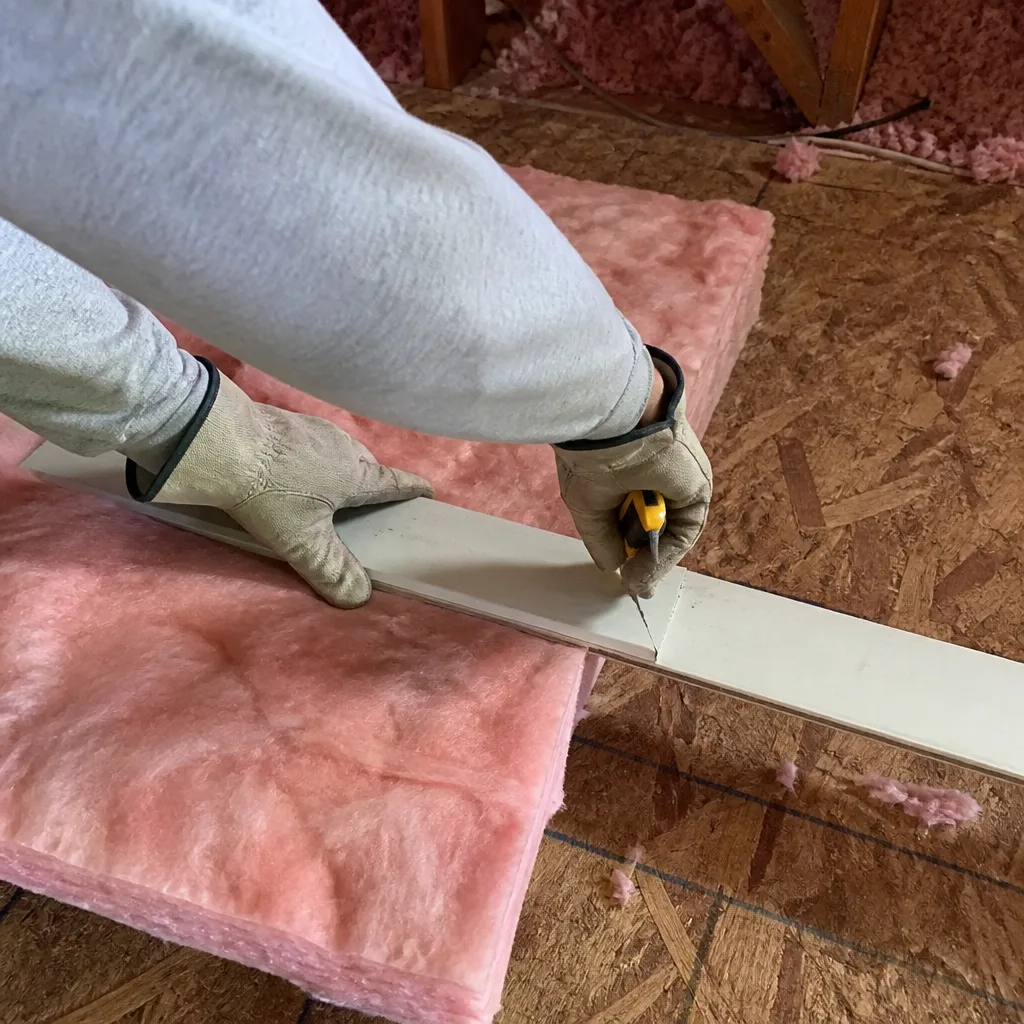
A homeowner can safely inspect their own crawl space for the symptoms above, photograph the JM product code, and measure the square footage. What goes wrong in DIY replacement: inadequate seam overlap (industry standard is 12 inches minimum, taped), failure to seal the perimeter to the foundation wall, and using the wrong tape for the mil thickness. The 15-mil reinforced sheet is heavy, cuts poorly with household scissors, and requires a knee-saving installation method most homeowners don’t own.
More critically, working in a crawl space involves confined-space risk, soil-gas exposure, and contact with old insulation that may contain rodent waste. We carry respirators, Tyvek suits, and proper lighting. If your inspection reveals anything beyond a single small tear, the full replacement is faster and safer done by a crew that does three a week. Call (657) 261-8265 with your square footage and access type for a written price.
FAQs
Properly installed 10-mil and 15-mil reinforced barriers last 15 to 20 years in Newport Beach’s coastal climate; 6-mil non-reinforced typically fails at 7 to 10 years due to UV degradation if exposed and mechanical stress during trades access. Salt air accelerates tape adhesive failure at seams, which is why we specify pressure-sensitive butyl tape for marine-adjacent properties. Call (657) 261-8265 if you’re unsure of your sheet’s age or thickness.
Patching is viable for isolated tears under 6 inches in a barrier less than 5 years old, using JM-compatible polyethylene tape on clean, dry surfaces. Multiple tears, perimeter separation, or delamination of the original sheet means replacement is more cost-effective than chasing individual failures. We offer free second opinions on any written estimate you’ve received, and we’ll tell you honestly if a patch will hold.
Most crawl space vapor barrier replacements in Newport Beach are completed in one day, assuming clear access and no drainage remediation needed. Attic-floor applications take longer, typically one to two days, because insulation removal and replacement precede the barrier installation. We text you a named technician and arrival window under Haven Standard scheduling.
We stock 10-mil and 15-mil reinforced polyethylene sheet in standard roll widths, plus JM-compatible seam tape and butyl perimeter sealant. For same-day installation, we need your crawl space dimensions and a photo of the access opening to confirm we bring the right roll count and any special-cut pieces for pier wraps. Call (657) 261-8265 to schedule, and we’ll have a written price to you before the truck rolls.
Seal the leaks first. Then insulate. The R-value on the bag means nothing if the air is moving freely around it. In Newport Beach, where marine layer and seasonal temperature swings stress every building envelope component, the vapor barrier is the silent partner to every insulation decision we make. We have pulled permits and run blower-door tests on homes from the Balboa Peninsula to the hills above Corona del Mar, and the pattern is consistent: homes with intact, properly sealed vapor barriers perform measurably better on pressurization tests than homes where the barrier was ignored or installed as an afterthought.
Call (657) 261-8265 for a free estimate. A live person answers 24/7. You’ll get a written price before any work starts, a Documented Photo Record when the crew leaves, and before-and-after blower-door numbers on every applicable job so you can see the performance change you paid for.
Written by Wes Okafor, Owner, Topside Attic Insulation Newport Beach at Topside Attic Insulation Newport Beach, serving Newport Beach and nearby areas.