
Icynene Blown-In Insulation in Newport Beach: What to Know First
We provide independent Icynene blown-in insulation service in Newport Beach, typically completing attic top-ups and dense-pack wall jobs in a single day with a written price delivered before any work starts. Most Icynene systems we encounter in this market are between 12 and 20 years old, installed during the 2005-2013 spray-foam boom, and are now due for blown-in supplementation or full envelope reassessment. Our crew runs a blower-door test - a pressurization reading that shows, in one number, how much conditioned air your home is losing - before we specify any material. Call (657) 261-8265 for a free estimate with flat pricing.
This page is for Newport Beach homeowners who have an existing Icynene product in their attic or walls and need blown-in cellulose, fiberglass, or dense-pack supplementation. You might have been told your spray foam is “good for life” and now you’re noticing hot spots, rising AC bills, or a musty smell in the eaves. We see this regularly from Corona del Mar up through the Newport Coast ridges.
How Icynene Products Fail - and How We Fix Them
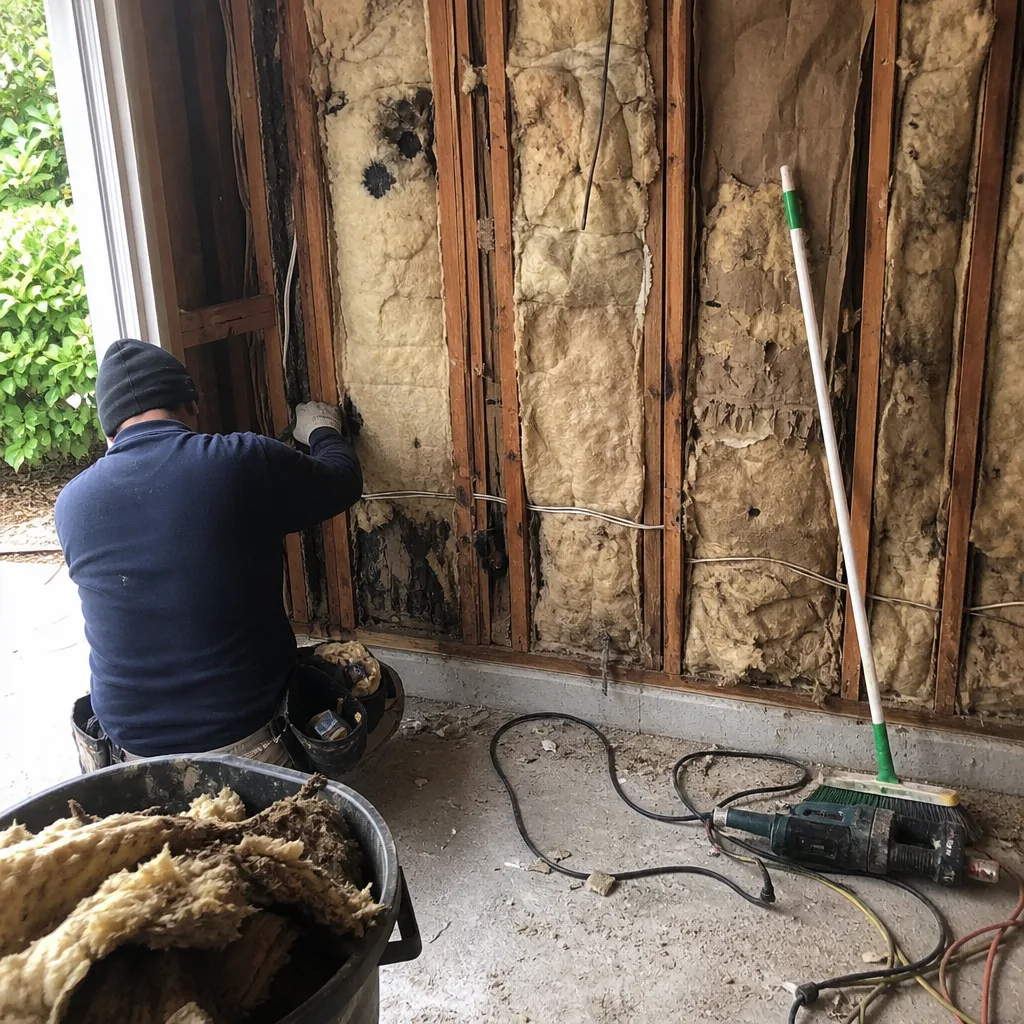
- Icynene Classic Max shrinkage in cathedral ceilings. The open-cell formulation used in many 2008-2014 Newport Beach installs shrinks 3-5% as it ages, pulling away from rafter bays and creating convection channels that blow-in insulation is often mistakenly thrown at without sealing first. We pull back the compromised foam, air-seal the gap with targeted closed-cell, then dense-pack the cavity with cellulose to the correct R-value for coastal Orange County.
- Icynene MD-C-200 overspray bridging in attics. This medium-density closed-cell product was popular in custom homes above Pacific Coast Highway for its higher R-value per inch, but overspray onto top plates and electrical chases created hard bridges that block subsequent blown-in coverage. We map these bridges with thermal imaging, cut them back flush, seal the exposed edges, then blow cellulose or fiberglass across a level, uninterrupted attic floor.
- Icynene LD-C-50 moisture retention in beach-adjacent properties. The low-density open-cell near the Balboa Peninsula and Lido Isle absorbs more atmospheric moisture than the manufacturer spec sheet suggests when exposed to salt-laden marine air without a proper vapor retarder. We don’t just add more insulation on top; we install a conditioned drying strategy, verify with a moisture meter, then blow in treated cellulose that manages humidity rather than trapping it.
- Icynene H2Foam Lite delamination from OSB roof sheathing. In the hills above Newport Coast where temperature swings are wider, this water-blown closed-cell can release from sheathing due to differential expansion, leaving a gap that renders any top-layer blown-in material ineffective. We remove the delaminated sections, re-adhere with compatible foam, and use blown-in fiberglass as the thermal cap because it won’t settle into the irregular surface left behind.
- Icynene proprietary gun mix inconsistency in retrofits. Early Icynene installs in the 2000s sometimes used site-mixed ratios that varied by crew, creating density pockets where blown-in top-ups later compact unevenly. We probe with a density gauge, identify the inconsistent zones, and either remove and replace or stabilize with a uniform blown-in dense-pack approach that doesn’t depend on the underlying foam for structural support.
Our Icynene Blown-In Insulation Process
- 1
Call and scheduling. A live person answers, 24/7. We book a diagnostic visit with a named technician; you get a text when they’re en route.
- 2
Blower-door test and thermal scan. We pressurize the house and record the CFM50 reading before touching anything. This establishes the baseline that every later decision depends on.
- 3
Written price and scope. Under Haven Standard Clause 1, you get a flat price, written scope, and written warranty before anyone lifts a tool. No work starts without it.
- 4
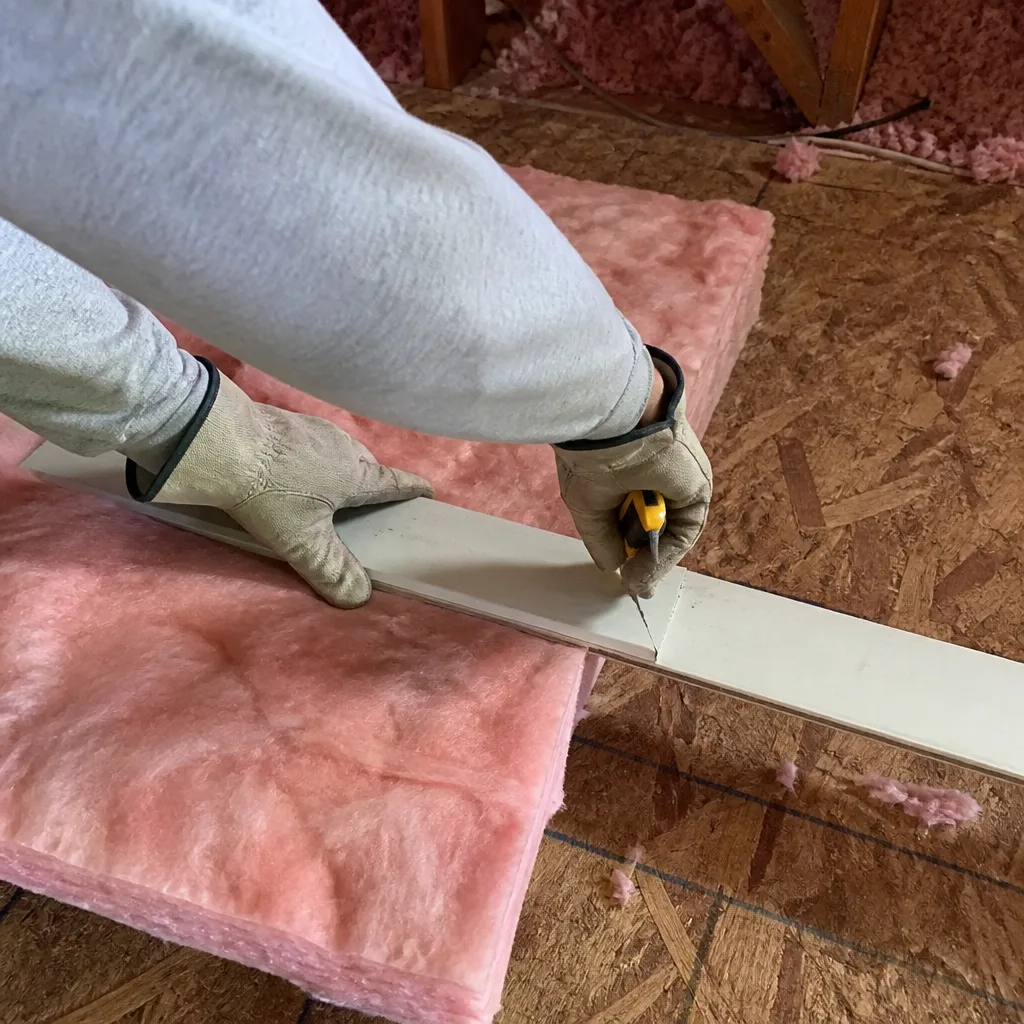
Air sealing first, then insulation. We seal top plates, can lights, penetrations, and any Icynene-specific gaps we’ve identified. Seal the leaks first. Then insulate. The R-value on the bag means nothing if the air is moving freely around it.
- 5
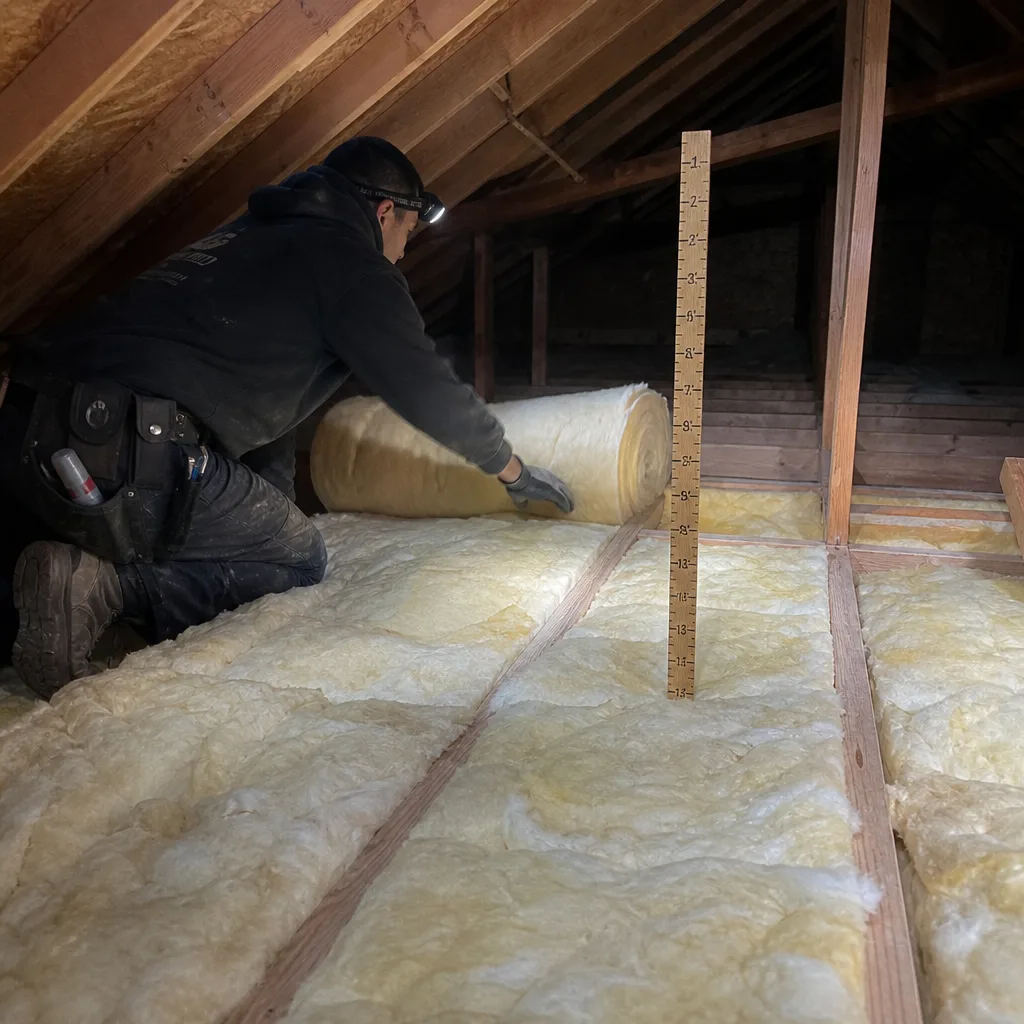
Blown-in installation with real-time depth verification. Cellulose, fiberglass, or dense-pack as specified, with depth markers and density checks photographed for the record.
- 6
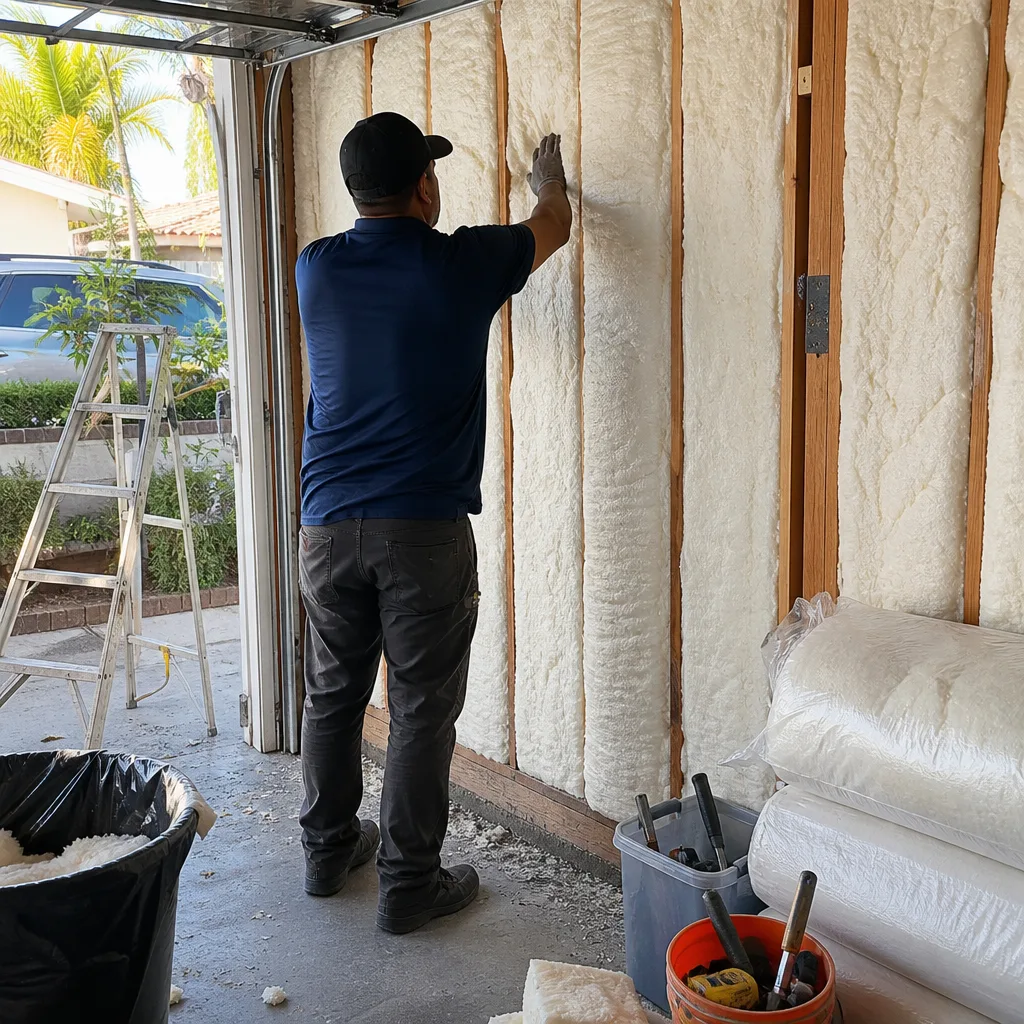
Post-work blower-door test and documentation. We run the pressurization test again, publish the before-and-after numbers, and deliver your Documented Photo Record including thermal images and material certifications.
 Before
 After
AfterWhat Icynene Blown-In Insulation Costs in Newport Beach
Most attic top-up jobs in a Newport Beach home of 2,000-3,500 square feet run between $2,400 and $4,800 when we’re working over an existing Icynene base. Dense-pack wall retrofits in the same footprint typically fall between $3,800 and $6,200. What moves the price: how much compromised Icynene needs removal or stabilization, whether the attic floor requires full air sealing before blowing, and if we’re matching a specific R-value for a Title 24 compliance issue.
We also service Reflectix systems and can quote multi-brand homes where previous owners layered products. Every estimate includes a Free Second Opinion on any written competing quote you bring us. Call (657) 261-8265 for an exact quote - estimates are free, and the price we write is the price you pay.
Why Newport Beach Homeowners Call Topside Attic Insulation Newport Beach for Icynene Work
We’ve sealed and insulated over 9,000 homes since 2016, and the ones with existing Icynene are often the most misdiagnosed in this market. Wes Okafor, our owner, learned the trade through the HVAC and Building Sciences program at Olive-Harvey College in Chicago and has spent well over a decade doing attic work across coastal Southern California. His crew has pulled permits and run blower-door tests on homes from the Balboa Peninsula to the hills above Corona del Mar.
Our 365-Day Done Right Promise applies to all completed work. Technicians are background-checked and uniformed. Materials come from Owens Corning, Johns Manville, Knauf, Rockwool, CertainTeed, Icynene, Demilec, and GreenFiber - no proprietary lock-in, so we specify what performs, not what we’re obligated to sell. As an independent Icynene service provider, we have no manufacturer restrictions on repair methods or parts sourcing.
FAQs
No, if the work is performed by a qualified contractor who documents materials and methods. Icynene’s limited warranty covers original product defects, not subsequent modifications; we provide material certifications and installation records that protect your coverage rather than compromise it. Call (657) 261-8265 if you’d like us to review your original warranty language before quoting.
Yes, though the comparison requires context Icynene’s marketing rarely provides. A 3.5-inch Icynene Classic Max wall cavity at R-3.7 per inch totals R-13; we can dense-pack that same cavity with cellulose to R-13.8 or fiberglass to R-14.8. The meaningful number is the assembly performance after air sealing, which our blower-door test measures directly.
Removal is necessary when we find shrinkage gaps exceeding 1/2 inch, moisture content above 20% in open-cell, or delamination from substrate. We verify with probing, thermal imaging, and moisture meters; if the existing foam is structurally sound and properly sealed, a blown-in top-up is the correct and less expensive path. Our written scope specifies which approach before work begins.
Most projects are scheduled within 3-5 business days of estimate approval, with same-day completion for standard attic top-ups. Dense-pack wall work or jobs requiring Icynene stabilization may run two days. We do not manufacture urgency; we publish a schedule and arrive on it.
Repair with targeted blown-in supplementation is typically 40-60% less than full removal and reinstallation, and it’s the right choice in roughly 70% of the Icynene jobs we assess in Newport Beach. Full replacement becomes cost-effective only when the existing foam is extensively compromised or the homeowner is pursuing a major envelope upgrade. We quote both paths when both apply, and we tell you when repair is not advisable.
Ready to get a written price before any work starts? Call (657) 261-8265 for a free estimate on your Icynene blown-in insulation project in Newport Beach. We’ll run the blower-door test, show you the numbers, and leave you with a flat quote you can compare.
Written by Wes Okafor, Owner, Topside Attic Insulation Newport Beach at Topside Attic Insulation Newport Beach, serving Newport Beach and nearby areas.