
GreenFiber Attic Insulation: The Newport Beach Owner’s Guide
GreenFiber attic insulation installation in Newport Beach typically runs $2.80 to $4.20 per square foot for loose-fill cellulose, with most complete attic jobs falling between $3,200 and $5,800 depending on depth, accessibility, and whether air sealing is needed first. We stock GreenFiber low-dust cellulose and install same-day on most Newport Beach calls booked before noon. Most homeowners realize their GreenFiber insulation is failing when Pacific humidity starts winning, summer cooling bills spike 20% or more year-over-year, or they spot thin patches where the original install settled unevenly, often leaving the center of the attic at R-19 while the eaves sit at R-30 or better.
Which GreenFiber Models This Applies To
GreenFiber produces loose-fill cellulose insulation, not rigid board or batt systems, so “model” here refers to the product line and application spec rather than a part number. The two lines we encounter in Newport Beach attics are GreenFiber All Borate and GreenFiber Sanctuary, both cellulose-based but with different fire retardants and settled density targets. All Borate runs about 1.5 pounds per cubic foot settled, while Sanctuary, designed for higher R-value per inch, settles closer to 1.6 to 1.8 pounds per cubic foot. You can identify what you have by checking the bag remnants in the attic or the documentation from your original install; the bag print will specify the product name, net weight, and coverage chart at target R-value.
The compatibility gotcha in Newport Beach specifically: GreenFiber Sanctuary is sometimes specified for 2×10 joist bays in Corona del Mar and Newport Coast hillside homes, but the original installer may have blown it to a depth that reads correctly on day one and settles below R-38 within 18 months. We measure actual settled depth with a yardstick at six points across the attic floor, not the bag coverage number. For aftermarket equivalency, we also stock cellulose from Owens Corning and Johns Manville that matches GreenFiber’s thermal performance, though we note that mixing cellulose brands in the same attic is code-compliant but can complicate future warranty claims if the manufacturer needs to identify which product failed.
Topside Attic Insulation Newport Beach is an independent service provider, not affiliated with GreenFiber.
Signs Your GreenFiber Attic Insulation Is Failing
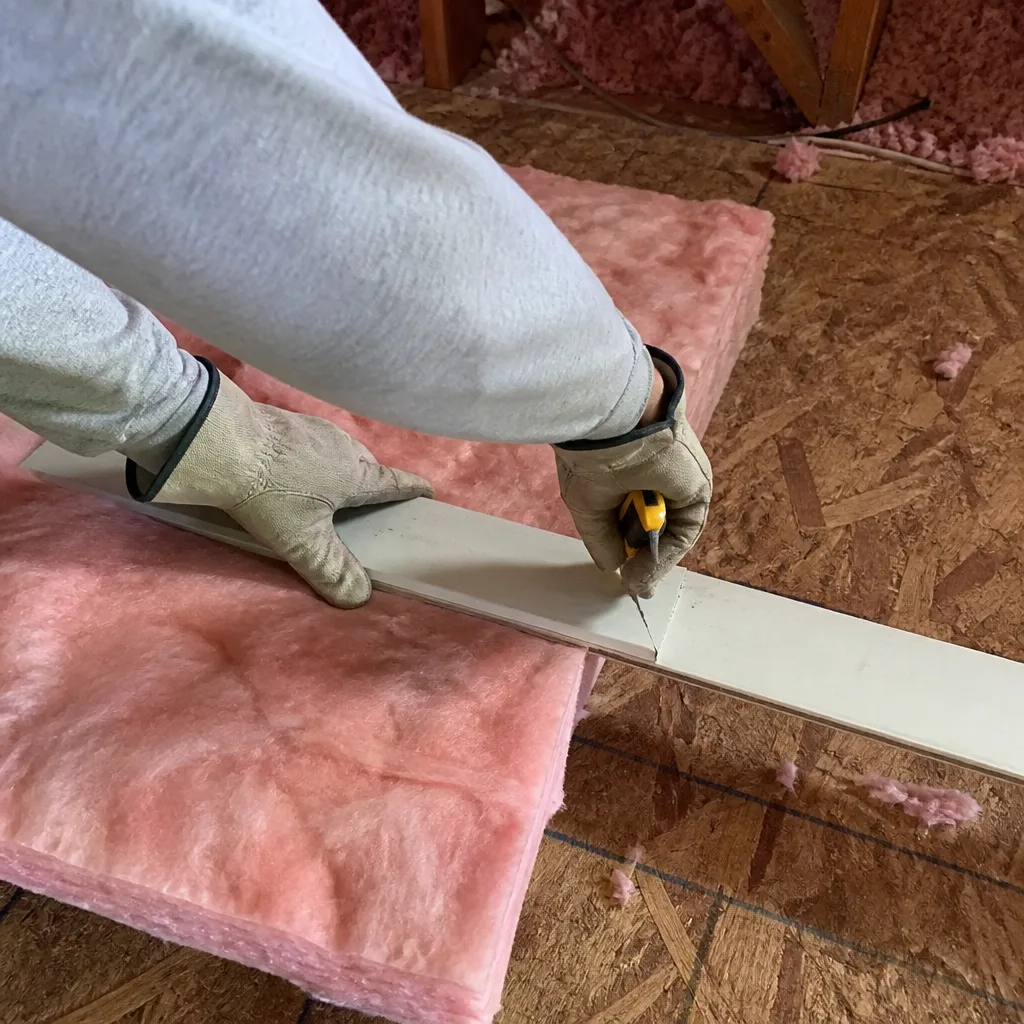
- Uneven temperature rooms below. The upstairs bedroom over the garage reads 8 to 12 degrees hotter in August than the hallway below it. GreenFiber settles fastest where crews walk during installation or where roof pitch creates shallow bays, leaving thermal bridges that your HVAC compensates for until it can’t.
- Visible compression or displacement. You see footprints, storage boxes sitting directly on joists with insulation pushed aside, or areas where the cellulose looks matted and gray. Cellulose doesn’t spring back like fiberglass; once compressed, its R-value drops permanently and air paths form.
- Moisture staining on ceiling drywall below. Small yellow-brown rings appear in winter when Pacific storms push humidity through roof leaks or poorly sealed can lights. GreenFiber’s borate treatment resists mold, but saturated cellulose loses loft and can wick moisture horizontally across the attic floor.
- Rodent disturbance or nesting material. Shredded insulation concentrated in corners, droppings, or tunnel paths through the cellulose. GreenFiber is treated with borates that deter insects but do not prevent rodent activity; disturbed insulation creates bare spots and compromises the thermal boundary.
- Energy bill increase with no rate change. Your SDG&E or SCE bill climbs 15 to 25% in comparable months versus two years prior. In Newport Beach’s mild climate, attic insulation degradation is often the last suspect because the change is gradual, but blower-door testing usually reveals the attic as the dominant leakage path.
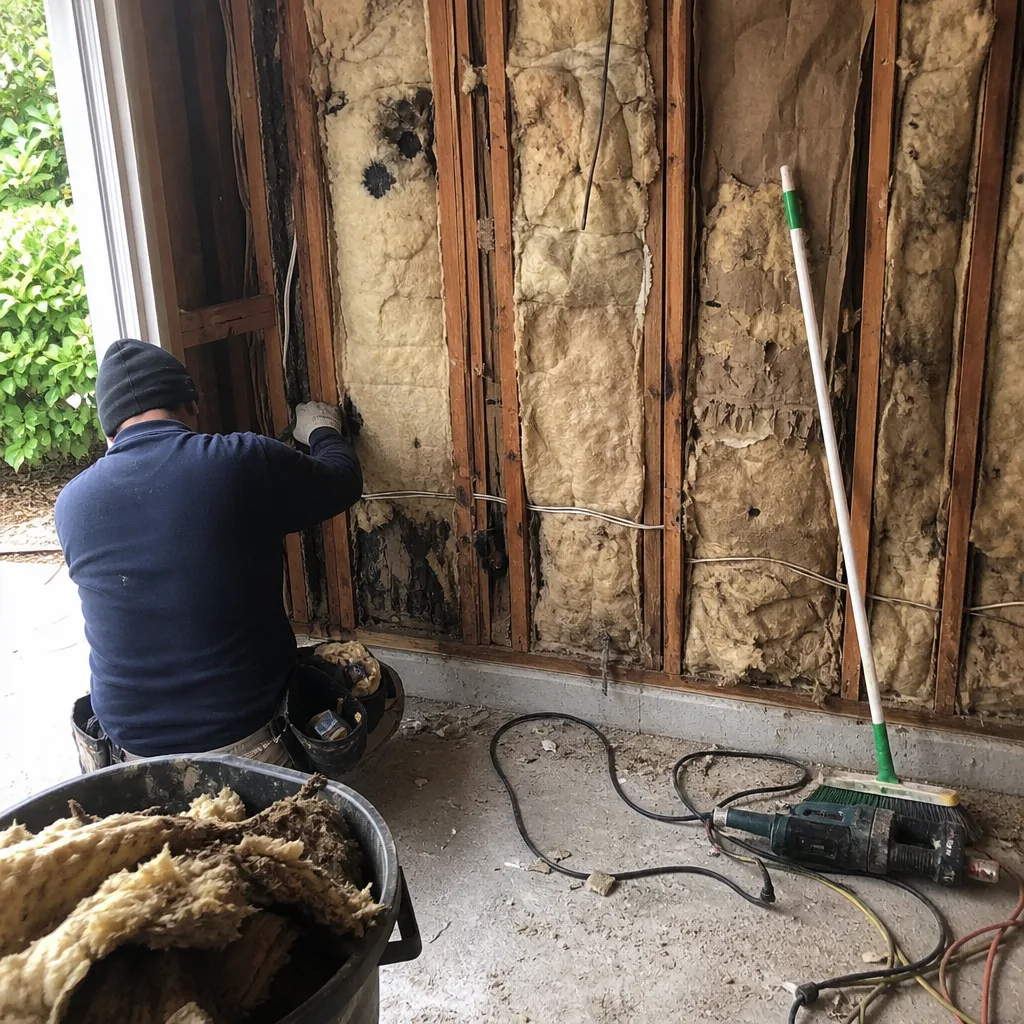 Before
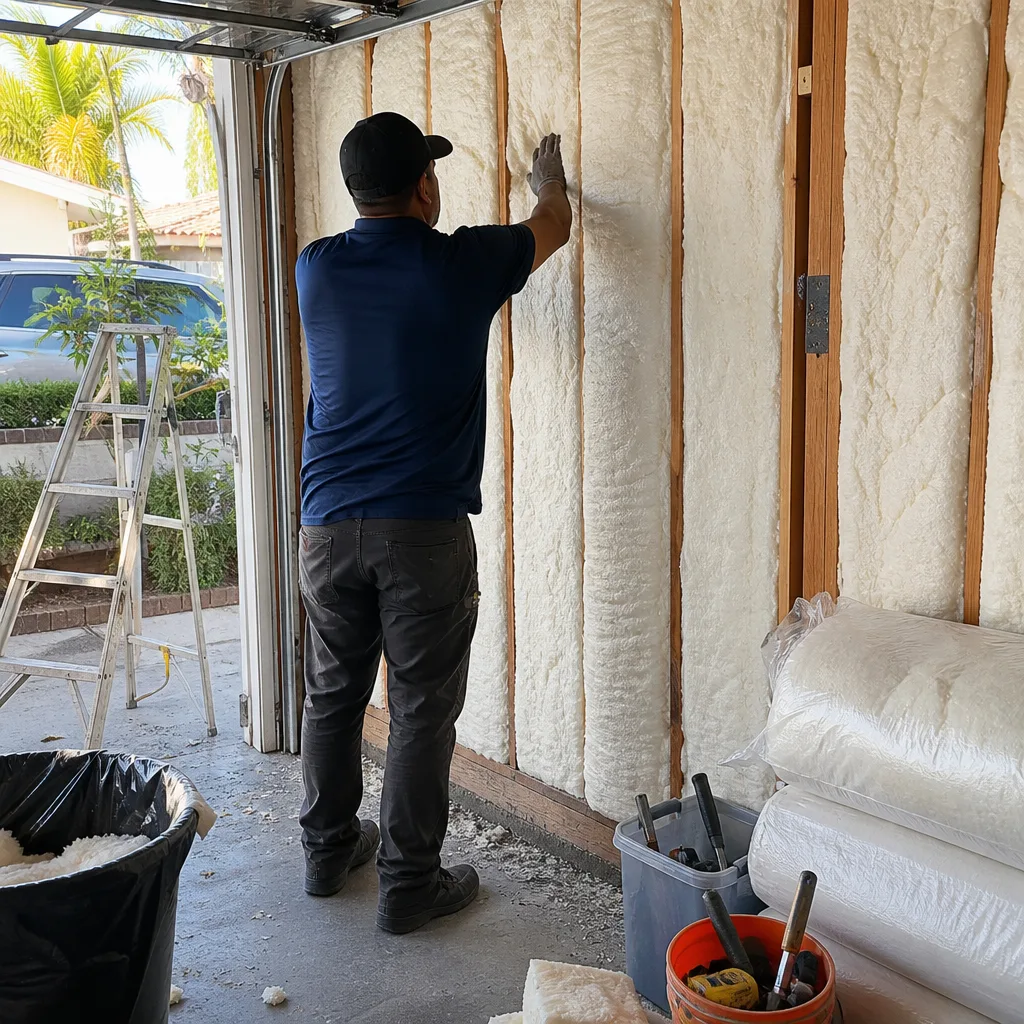 After
AfterReplacement Cost & What’s Included
| Scope | Price Range (Newport Beach) |
|---|---|
| GreenFiber All Borate, add to existing (R-30 to R-38 top-off) | $1,800 - $2,900 |
| GreenFiber Sanctuary, full replacement to R-38 | $3,200 - $4,800 |
| GreenFiber Sanctuary, full replacement to R-49 (hillside zones) | $4,200 - $5,800 |
| Air sealing package (top plates, can lights, penetrations) | $800 - $1,400 |
| Insulation removal + disposal (contaminated or wet) | $1.20 - $1.80/sq ft |
What drives the range: attic square footage, joist bay depth, whether we can access the full footprint or crawl through a hatch, and whether removal is required versus topping off. Every job starts with a written price before any work starts, Haven Standard Clause 1, and closes with a Documented Photo Record showing before condition, air-sealing completion, and final insulation depth at measured points. On jobs where air sealing is performed, we provide before-and-after blower-door numbers so you can verify the envelope improvement in CFM50, a pressurization reading that shows exactly how much conditioned air your home was losing. The 365-Day Done Right Promise covers all completed work.
DIY or Call Us?
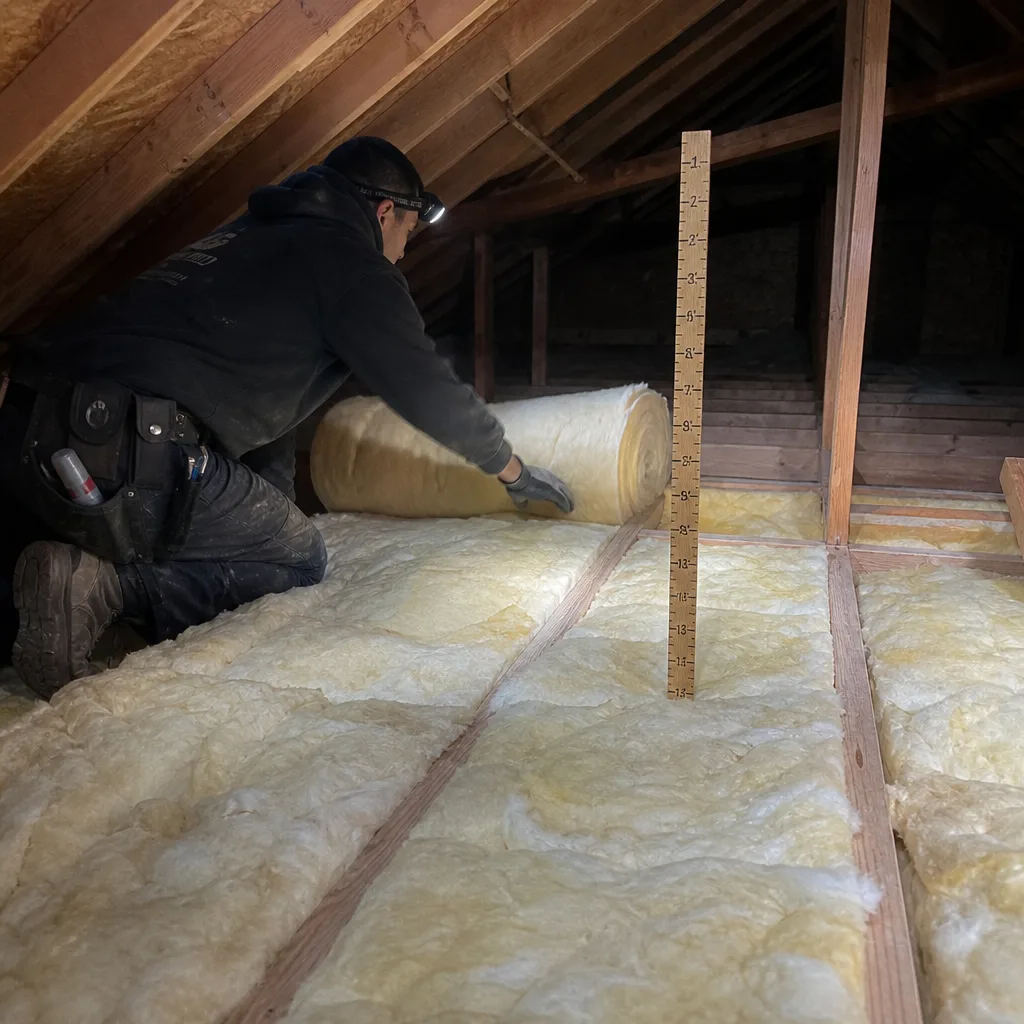
What you can safely check yourself: measure insulation depth with a yardstick at three points, photograph any discolored or compressed areas, and verify your attic hatch has weatherstripping and closes tight. What goes wrong with DIY cellulose installation: rental blowers rarely achieve the 2.5 to 3.5 pounds per cubic foot density that prevents settling in Newport Beach’s coastal humidity; homeowners typically under-seal top plates and electrical penetrations, then blow insulation over the leaks, which is exactly the sequence that wastes material and masks the real problem; and attic work involves heat exhaustion, exposed nails, and electrical hazards that are genuinely dangerous without training. Seal the leaks first. Then insulate. The R-value on the bag means nothing if the air is moving freely around it. For a written price and same-day scheduling, call (657) 261-8265.
FAQs
Properly installed GreenFiber cellulose lasts 20 to 30 years, but in Newport Beach’s marine climate with seasonal humidity swings, we see measurable settling and thermal degradation after 10 to 15 years if the original install skipped air sealing or used inadequate depth. Call (657) 261-8265 and we’ll measure your actual settled R-value, no charge for the assessment.
Yes, if the existing cellulose is dry, uncontaminated, and hasn’t compressed below 50% of original depth. We probe for moisture with a moisture meter and inspect for rodent activity before recommending a top-off; wet or soiled insulation must be removed per California Title 24 guidelines. Call (657) 261-8265 for a free second opinion on any written estimate you’ve already received.
Most Newport Beach attic jobs complete in one day, 6 to 8 hours for a standard 1,200 to 2,000 square foot footprint, with air sealing done in the morning and blowing completed by mid-afternoon. Hillside homes in Newport Coast with limited hatch access or steep pitches may extend to a second day. We text you a named technician and arrival window under Haven Standard scheduling.
We stock GreenFiber All Borate and Sanctuary on our trucks, along with compatible cellulose from Owens Corning and Johns Manville, so same-day installation is available on most Newport Beach calls confirmed before noon. If your job requires a specific GreenFiber spec we don’t have loaded, we can source it within 24 hours. Call (657) 261-8265 to confirm truck stock for your address.
Ready to see what your attic is actually doing? We provide a written price before any work starts, documented photo records on every visit, and before-and-after blower-door numbers when air sealing is part of the scope. Call (657) 261-8265 for a free estimate on GreenFiber attic insulation in Newport Beach.
Written by Wes Okafor, Owner, Topside Attic Insulation Newport Beach at Topside Attic Insulation Newport Beach, serving Newport Beach and nearby areas.