
GreenFiber Vapor Barrier Installation: The Newport Beach Owner’s Guide
GreenFiber vapor barrier installation in Newport Beach typically runs $1,800-$3,400 for a standard crawl space or attic floor, depending on square footage and whether the existing barrier is torn or merely poorly sealed. Most jobs we quote in the Newport Beach area are completed same-day once the written price is approved. Homeowners usually discover the problem during a home sale inspection, after noticing musty odors in Corona del Mar or Lido Isle, or when their energy auditor flags elevated humidity readings beneath the floor joists.
Which GreenFiber Models This Applies To
GreenFiber produces cellulose insulation systems, not standalone vapor barrier membranes, so the “GreenFiber vapor barrier” we’re referring to is the polyethylene ground cover or kraft-faced retarder installed as part of a complete GreenFiber attic or crawl space system. The compatibility issue is between the barrier material and the cellulose above it. GreenFiber’s stabilized cellulose, treated with borate for fire and pest resistance, requires a Class I or Class II vapor retarder depending on the local climate zone. Newport Beach sits in IECC Climate Zone 3B, where a 6-mil polyethylene ground cover over bare earth in a crawl space meets code, but attic floors need more nuance.
To identify what you have, check the existing barrier for printed mil thickness (4-mil tears easily, 10-mil is overkill for most residential jobs here) and whether it’s black, clear, or reinforced with a woven scrim. GreenFiber systems installed between 2015 and 2020 often paired with a basic 4-mil clear poly that degrades faster in coastal humidity. We stock 6-mil reinforced polyethylene and 10-mil woven scrim on every truck, plus Stego Wrap for homeowners who want a 15-year rated product. Aftermarket equivalents from Stego and Crawlspace Depot perform identically to GreenFiber-specified materials at lower cost, and we document the mil rating and permeance on every written scope.
Signs Your GreenFiber Vapor Barrier Installation Is Failing
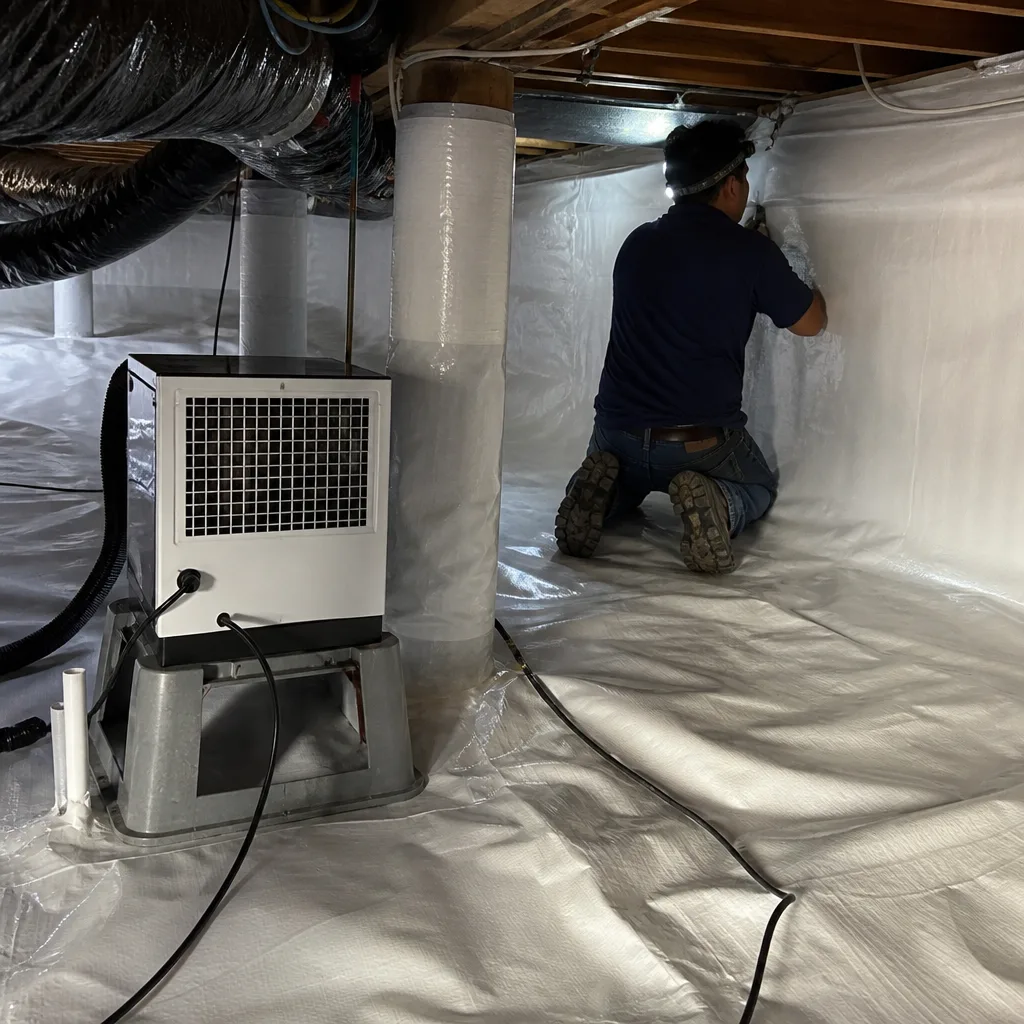
- Visible tears or displacement along seams. The 4-mil poly used in many original GreenFiber installations in Newport Beach shrinks and pulls from perimeter walls within 5-7 years, especially where the soil dries and rehydrates seasonally. Gaps as small as 2 inches allow ground moisture to rise directly into the cellulose.
- Condensation on the barrier’s underside. When warm, humid exterior air meets the cooler surface of a properly installed barrier, droplets form underneath. This means the seal is intact but the dew point is wrong, or it means the barrier has no perimeter seal at all and you’re seeing soil evaporation. We distinguish the two with a moisture meter reading.
- Musty odor that intensifies in summer. Newport Beach’s marine layer keeps relative humidity above 70% many mornings from June through August. A compromised barrier lets that moisture wick upward into cellulose, where mold colonizes on the borate-treated fibers. The smell hits first; staining follows.
- Sagging or settled cellulose above the barrier. Wet cellulose loses its loft and R-value. If your attic floor insulation looks thin in patches or the crawl space cellulose has compressed to half its original depth, the barrier beneath has likely been passing moisture for months.
- Wood moisture content above 20% on floor joists or rim boards. We check this with a pinless moisture meter on every GreenFiber vapor barrier call in Newport Beach. Readings above 20% trigger a fungal growth risk; above 28% and you’re looking at potential structural decay, not just an insulation problem.
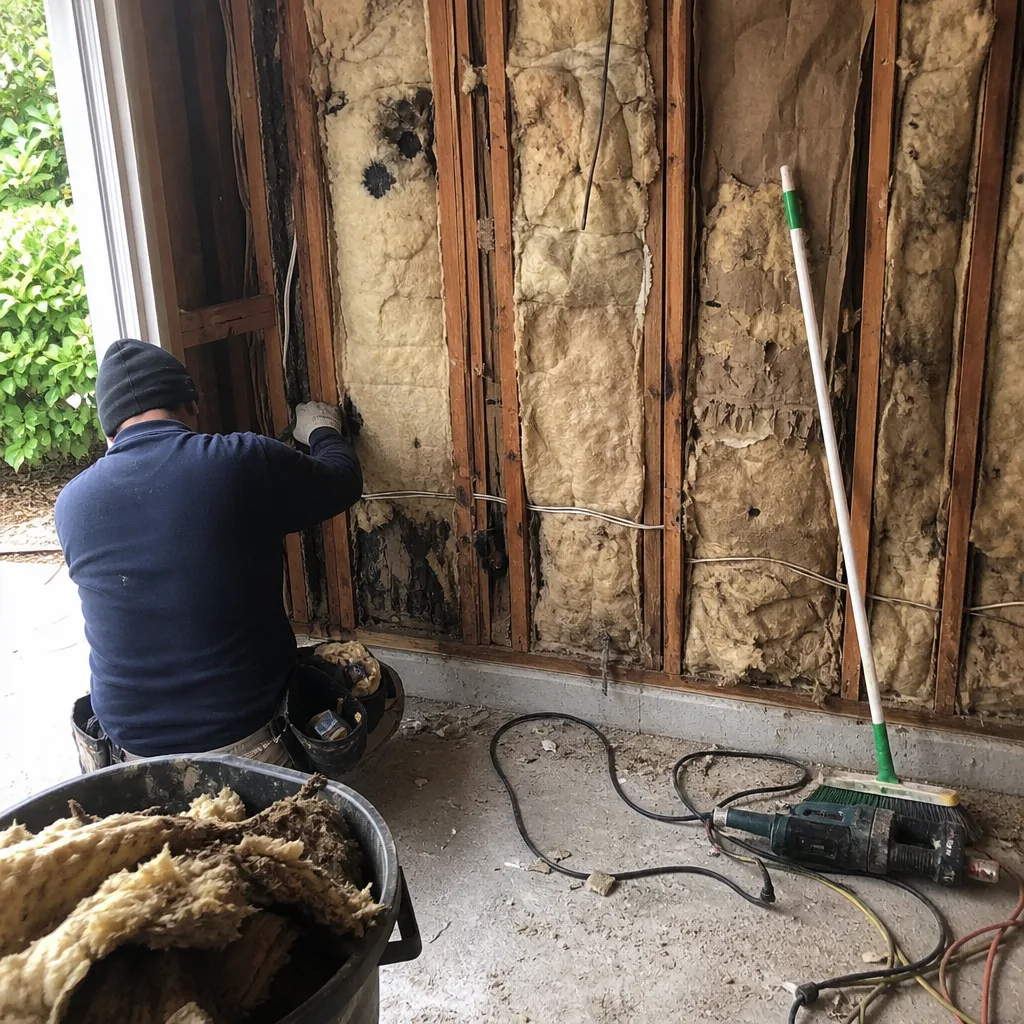 Before
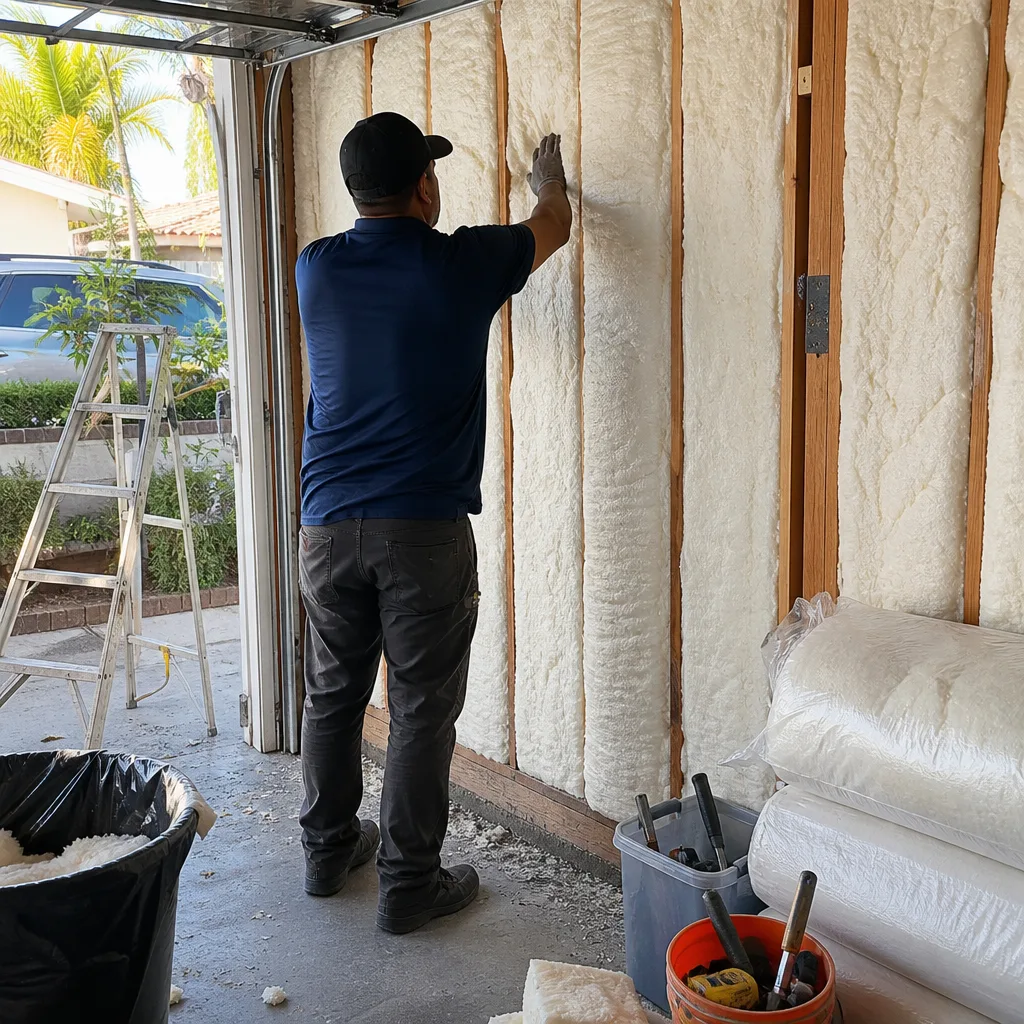 After
AfterReplacement Cost & What’s Included
Most GreenFiber vapor barrier replacements in Newport Beach fall between $1,800 and $3,400 installed. A 1,200-square-foot crawl space with standard access, removal of existing torn poly, and installation of new 6-mil reinforced polyethylene with sealed perimeter and pier wraps runs toward the lower end. Add $400-$800 for 10-mil woven scrim or Stego Wrap. If the existing barrier is glued to the foundation walls and requires mechanical removal, or if we find standing water that needs a sump basin first, the upper end applies.
Every quote includes: removal and disposal of old barrier, soil grading if needed, new material with taped seams and mechanical fastening to walls, sealed penetrations for plumbing and HVAC, and a Documented Photo Record delivered before we leave. The 365-Day Done Right Promise covers seam failure or perimeter pull-back. We also publish before-and-after moisture readings where applicable, so you have a number that predates our work and a number that validates it.
DIY or Call Us?
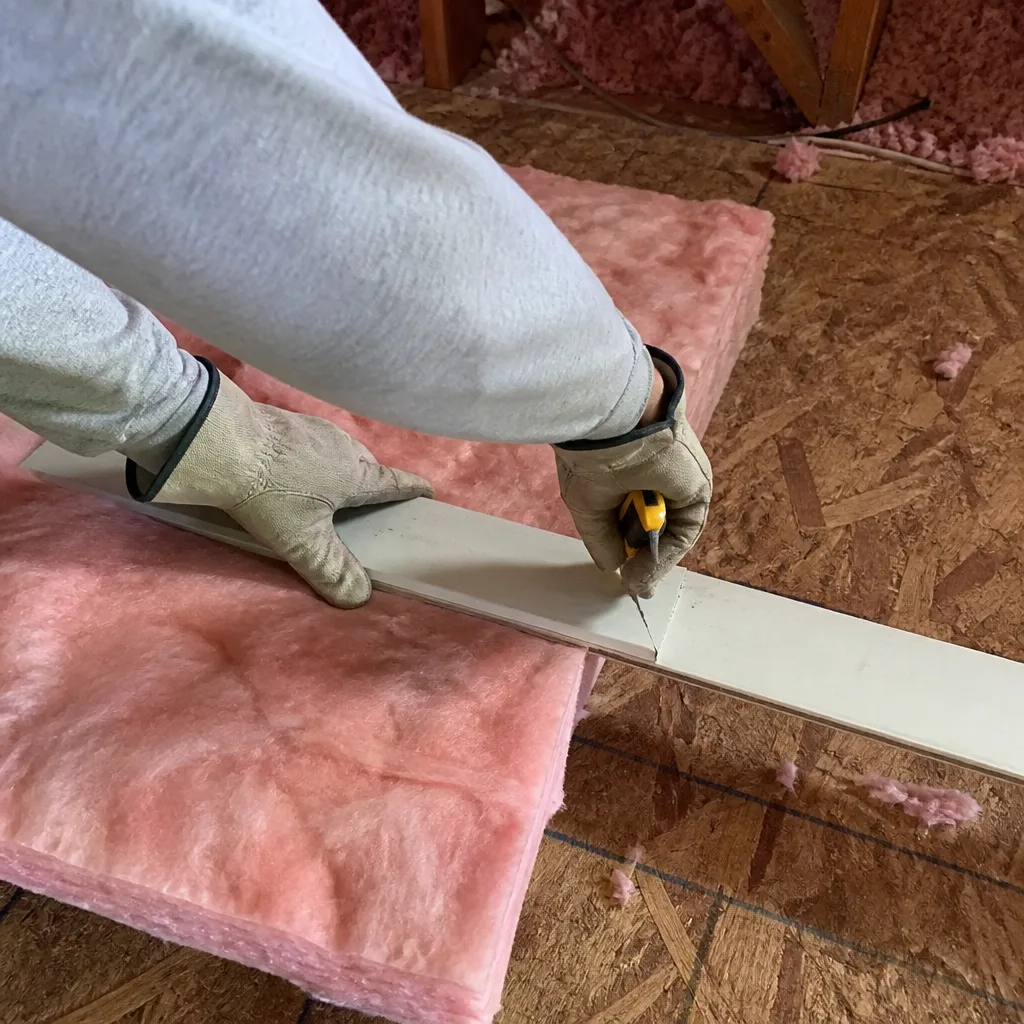
What you can safely check: walk your crawl space with a flashlight and note tear locations, seam gaps, and whether the barrier extends to the foundation walls. Measure your square footage. Check for standing water or white fungal growth on joists. Do not proceed further if you see black mold, exposed wiring, or a gas line you can’t identify.
Where DIY goes wrong: vapor barrier installation looks like laying a tarp, but the critical failure points are the perimeter seal and the detail work around piers and penetrations. In Newport Beach’s coastal climate, an unsealed edge lifts within one season. More importantly, working in a crawl space involves confined-space hazards, sharp fasteners, and the possibility of disturbing old vermiculite or rodent droppings. We carry respirators, Tyvek suits, and proper lighting for a reason. Seal the leaks first. Then insulate. The R-value on the bag means nothing if the air is moving freely around it. For a written price before any work starts, call (657) 261-8265.
FAQs
A properly installed 6-mil reinforced polyethylene barrier lasts 10-15 years in Newport Beach’s coastal climate; 4-mil non-reinforced products often fail at 5-7 years due to UV degradation from attic gable vents and seasonal soil movement. Call (657) 261-8265 for an exact quote on upgrading to 10-mil or Stego Wrap - estimates are free.
Patching works for isolated punctures smaller than a softball using 6-mil tape and scrap poly, but multiple tears, seam separation, or perimeter pull-back mean the material has exceeded its service life and full replacement is more cost-effective than chasing individual failures. We don’t charge to assess this - call (657) 261-8265 for a written scope.
Most residential crawl spaces in Newport Beach take 4-6 hours for a two-person crew, including removal, soil prep, and installation with sealed seams and pier wraps. Attic floor vapor retarder work runs 2-4 hours depending on joist spacing and existing insulation that must be temporarily moved. Same-day completion is standard once the written price is approved.
We stock 6-mil reinforced polyethylene, 10-mil woven scrim, Stego Wrap, and seam tape on every vehicle, plus the mechanical fasteners and butyl sealant used for perimeter attachment in GreenFiber-compatible systems. We also carry Reflectix radiant barrier products for homeowners combining vapor control with thermal reflection. Topside Attic Insulation Newport Beach is an independent service provider with no affiliation to GreenFiber.
Written by Wes Okafor, Owner, Topside Attic Insulation Newport Beach at Topside Attic Insulation Newport Beach, serving Newport Beach and nearby areas.