
Icynene Radiant Barrier Installation: The Newport Beach Owner’s Guide
We stock and install Icynene-compatible radiant barrier systems for Newport Beach attics, with most residential retrofits running between $2,800 and $5,200 depending on roof pitch and existing insulation condition. Same-day installation is available when we have your roof geometry on file from a prior energy audit. Homeowners usually discover the need during summer afternoons when the second floor won’t cool below 78 degrees despite the AC running continuously, or after a roof replacement leaves the old radiant barrier torn and displaced.
Which Icynene Models This Applies To
Icynene does not manufacture standalone radiant barrier products; their open-cell and closed-cell spray foam systems are often paired with third-party radiant barriers in hybrid attic assemblies. The pairing we see most in Newport Beach is Icynene Classic Max or Icynene ProSeal LC installed at the roof deck, with a perforated aluminum radiant barrier laid over existing batt insulation on the attic floor or integrated as a foil-faced sheathing during re-roofing.
To identify what you’re working with, check the spray-foam tag on the roof deck for the Icynene lot number and density rating. Classic Max is 0.5 lb/ft³ open-cell; ProSeal LC is 2.0 lb/ft³ closed-cell. The radiant barrier paired with either is typically a perforated, double-sided aluminum product rated at 0.03 emissivity or lower. We carry rolls compatible with both densities, including 48-inch and 60-inch widths to match standard joist spacing in Corona del Mar and Balboa Peninsula homes built between 1985 and 2010. OEM-spec radiant barrier from Icynene’s distribution chain runs 15-20% higher than the ASTM C1313-compliant aftermarket equivalent we stock, with no performance difference in Newport Beach’s mild coastal climate.
Signs Your Icynene Radiant Barrier Installation Is Failing
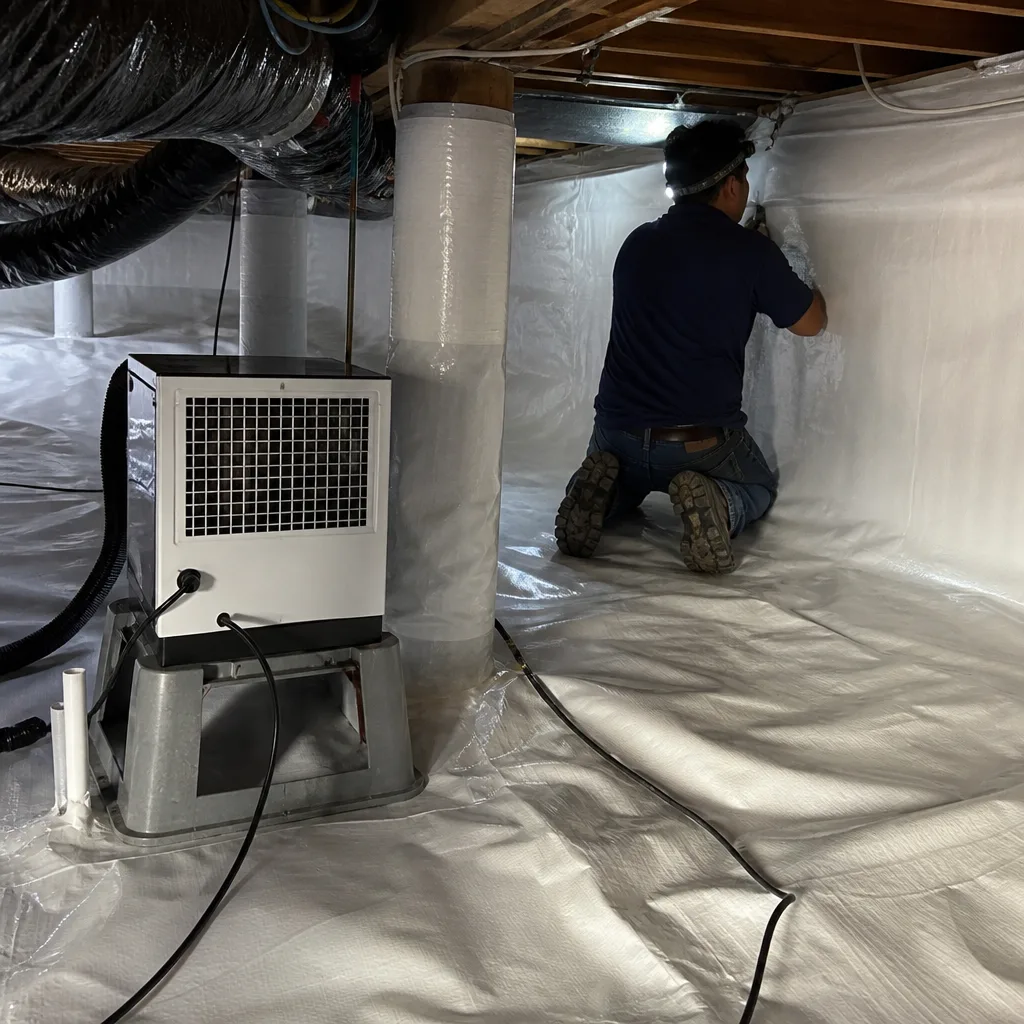
- Second-floor rooms heat unevenly. The radiant barrier has torn at seams or fasteners, allowing infrared radiation to penetrate specific sections of the attic floor. We see this most often in Lido Isle homes where salt air corrodes the staple fasteners faster than inland OC.
- AC runtime increases 30% or more versus prior summers. The aluminum surface has oxidized or collected a layer of dust that raises emissivity above 0.05. In Newport Beach’s dry summers, dust accumulation is the usual culprit; in winter, roof leaks can leave water stains that degrade reflectivity.
- Visible sagging or draping between joists. The radiant barrier was installed without proper tensioning or has detached from clips. This creates an air gap that actually traps heat rather than reflecting it, reversing the intended effect.
- Musty odors after Santa Ana wind events. Perforated barriers that have been patched with non-breathing tape create vapor traps. Moisture migrates through the Icynene foam, hits the impermeable patch, and condenses on the attic side.
- Energy bill spikes without rate changes. A blower-door test we ran last month on a home above Pacific Coast Highway showed 3,800 CFM50 before air sealing and 1,900 after; the radiant barrier was intact but rendered useless because top plates were leaking conditioned air directly through the insulation. The barrier reflects radiation, but it doesn’t stop convection.
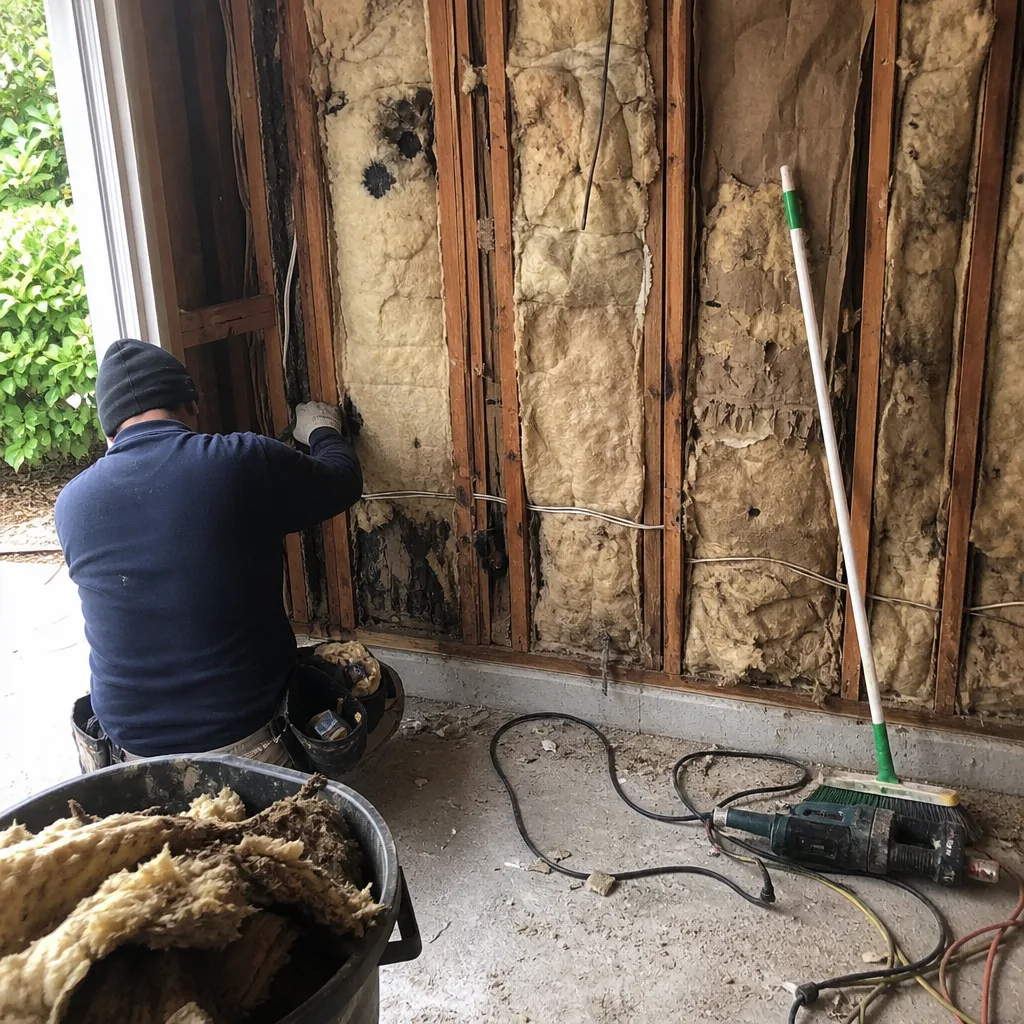 Before
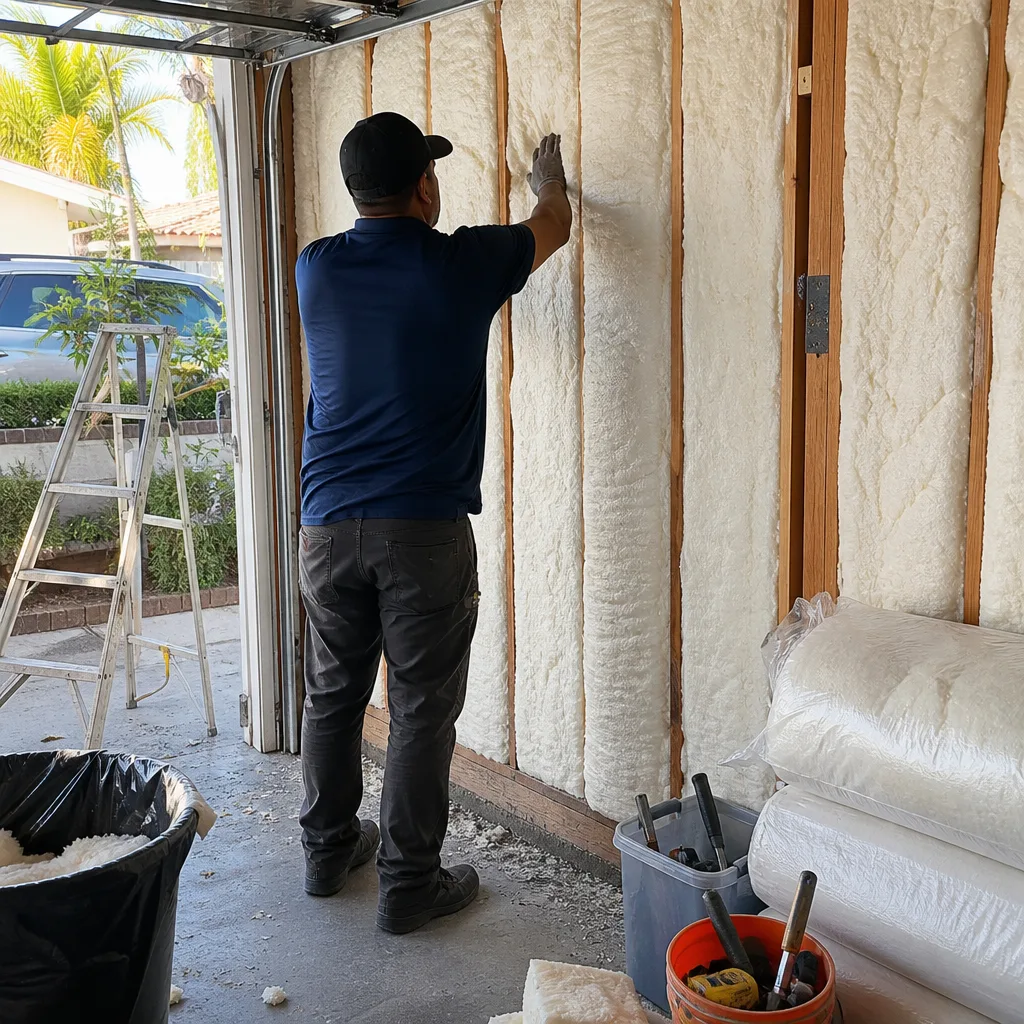 After
AfterReplacement Cost & What’s Included
Most Icynene-compatible radiant barrier replacements in Newport Beach run $2,800-$4,200 for attics under 1,500 square feet, and $4,200-$5,200 for larger or steeper roofs requiring additional safety rigging. The range reflects three variables: whether we can layer over existing barrier or must remove degraded material first, the joist spacing and accessibility, and whether the job includes companion air sealing of top plates and can lights.
Every replacement includes the perforated aluminum barrier material, mechanical fastening with corrosion-resistant clips rated for coastal environments, a written scope with flat price before work starts, and a Documented Photo Record showing before condition, installation progress, and final placement. On applicable jobs, we provide before-and-after blower-door numbers so you can verify the air-sealing result. The 365-Day Done Right Promise applies. We also stock Reflectix radiant barrier products for homeowners with mixed insulation systems.
DIY or Call Us?
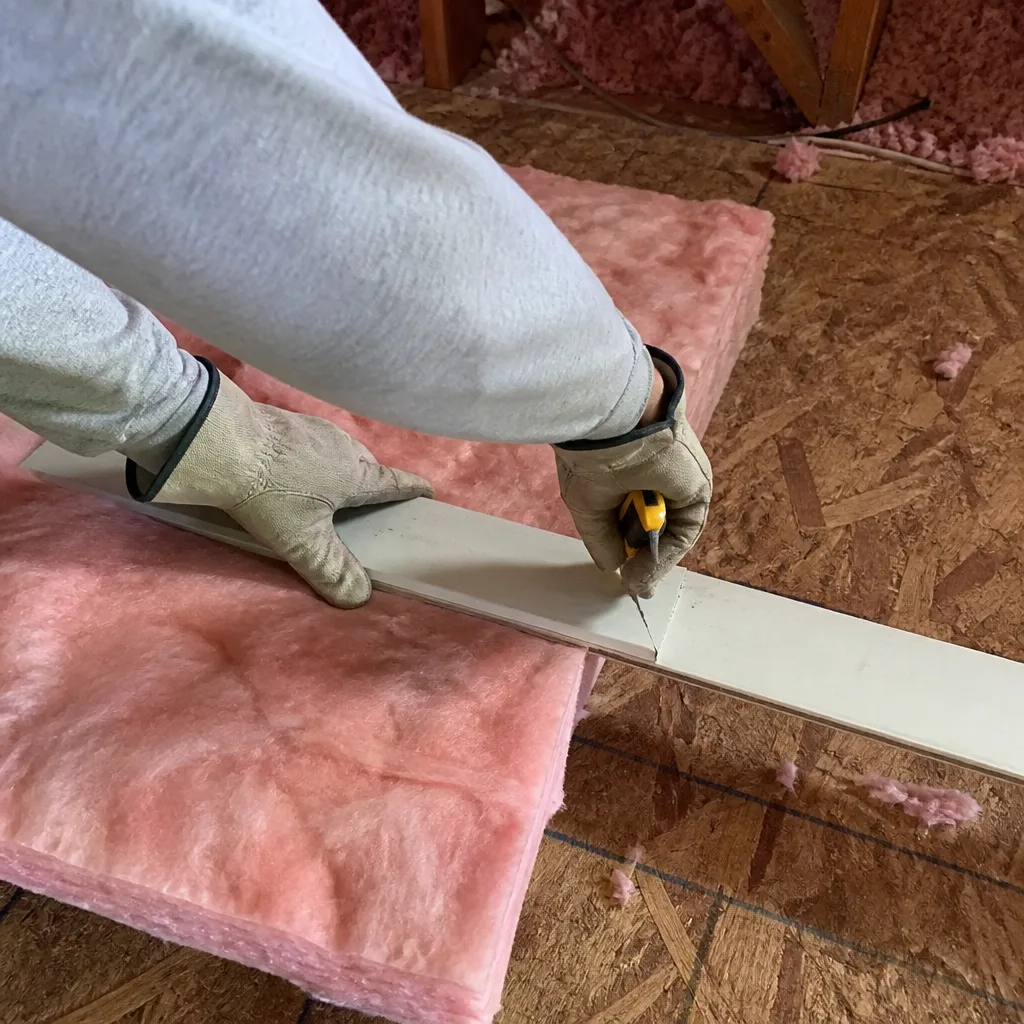
What you can safely check: from the attic hatch, look for visible tears, sagging, or dark staining on the aluminum surface. Note the Icynene foam tag location and any lot numbers. Do not walk on the attic floor unless you can see and stand on the joists directly; drywall will not support your weight.
Where DIY goes wrong: radiant barrier installation requires working in high heat, on angled surfaces, with proper clearances around recessed lighting and combustion vents. Misplaced fasteners can penetrate electrical wiring or compromise the Icynene vapor profile. The emissivity rating matters; hardware store foil products often run 0.10 or higher, triple the value of ASTM-rated material. We seal the leaks first. Then insulate. The R-value on the bag means nothing if the air is moving freely around it. For a written price before any work starts, call (657) 261-8265.
FAQs
Perforated aluminum radiant barriers in Newport Beach’s coastal climate typically perform for 15-25 years, though salt air exposure in homes within a mile of the water can corrode fasteners and edge seams in 10-12 years. Annual visual inspection from the hatch is enough to catch early degradation. Call (657) 261-8265 for a free second opinion if you’re unsure about condition.
Small tears under six inches can be patched with ASTM-rated aluminum tape if the surrounding material is still taut and the emissivity rating is intact. Widespead sagging, oxidation, or multiple failure points means replacement is more cost-effective than patching. We stock both tape and full replacement rolls on our trucks. Call (657) 261-8265 for an exact recommendation.
Most residential radiant barrier replacements take four to six hours for a two-person crew, assuming the attic is accessible and no hazardous material removal is needed. Jobs requiring companion air sealing of top plates add two to three hours. We provide a written start and end time in your scope before anyone lifts a tool.
Yes. We carry perforated double-sided aluminum in 48-inch and 60-inch rolls, rated at 0.03 emissivity, compatible with Icynene Classic Max and ProSeal LC assemblies. We are an independent service provider, not affiliated with Icynene. If your system uses Reflectix or another brand, we stock those equivalents as well. Call (657) 261-8265 to confirm same-day availability for your attic dimensions.
Written by Wes Okafor, Owner, Topside Attic Insulation Newport Beach at Topside Attic Insulation Newport Beach, serving Newport Beach and nearby areas.