
Icynene Crawl Space Encapsulation & Vapor Barrier in Newport Beach: What to Know First
As an independent Icynene service provider, we handle crawl space encapsulation and vapor barrier work on Icynene-insulated homes throughout Newport Beach, typically scheduling within 48 hours and completing most jobs in one day. Most homeowners pay between $2,800 and $5,400 depending on crawl space square footage, existing moisture damage, and whether the Icynene foam itself needs remediation. We publish a written price before any work starts, back it with a 365-Day Done Right Promise, and deliver a Documented Photo Record plus before-and-after blower-door numbers when air sealing is part of the scope.
This page is for Newport Beach homeowners whose crawl spaces were insulated with Icynene open-cell or closed-cell spray foam and who are now seeing moisture issues, musty odors, or failing vapor barriers. Call (657) 261-8265 for a free estimate.
How Icynene Products Fail - and How We Fix Them
- Icynene Classic Max (open-cell) absorbing ground moisture in Corona del Mar crawl spaces. Open-cell foam is vapor-permeable by design, which works fine in conditioned attics but becomes a liability in vented crawl spaces where relative humidity regularly hits 70% during Newport Beach’s June gloom periods. We remove saturated foam, install a 6-mil or 12-mil reinforced polyethylene vapor barrier sealed at seams with butyl tape, and convert the space to conditioned or sealed configuration so the new foam doesn’t wick moisture again.
- Icynene MD-C-200 (closed-cell) delaminating from rim joists in Balboa Peninsula homes. The 2.0 lb density formula can pull away from wood when seasonal moisture cycling causes substrate movement, a problem amplified by salt air corrosion at the peninsula. We grind back failed adhesion points, treat the wood with borate solution for mold prevention, and reapply only after establishing proper drainage and a sump pump if the water table demands it.
- Icynene H2Foam Lite overspray blocking crawl space vents in Lido Isle retrofits. Original installers sometimes sealed vents entirely with foam during the 2015-2018 rush, violating Newport Beach building code requirements for passive ventilation in unconditioned crawl spaces. We surgically remove vent-blocking foam, install properly sized foundation vents with corrosion-resistant screens, and assess whether mechanical ventilation or full encapsulation is the code-compliant path forward.
- Icynene Classic Max acting as a sponge after plumbing leaks in Eastbluff crawl spaces. Open-cell foam can hold 30% of its weight in water without visible surface indication, creating hidden mold reservoirs behind the apparent dry face. We cut out affected sections back to sound substrate, HEPA-vacuum the cavity, and install a dimpled drainage mat under the new vapor barrier so future leaks channel to a sump rather than saturating insulation.
- Icynene closed-cell formulations installed directly on dirt floors without proper barrier separation. This was common in quick-turn flips around Newport Coast between 2016 and 2020. The foam bonds to soil, wicks capillary moisture, and degrades from the bottom up. We excavate to a clean grade, install a radon-tested polyethylene barrier, and only then address wall and rim joist insulation with materials appropriate to the new conditioned environment.
Our Icynene Crawl Space Encapsulation & Vapor Barrier Process
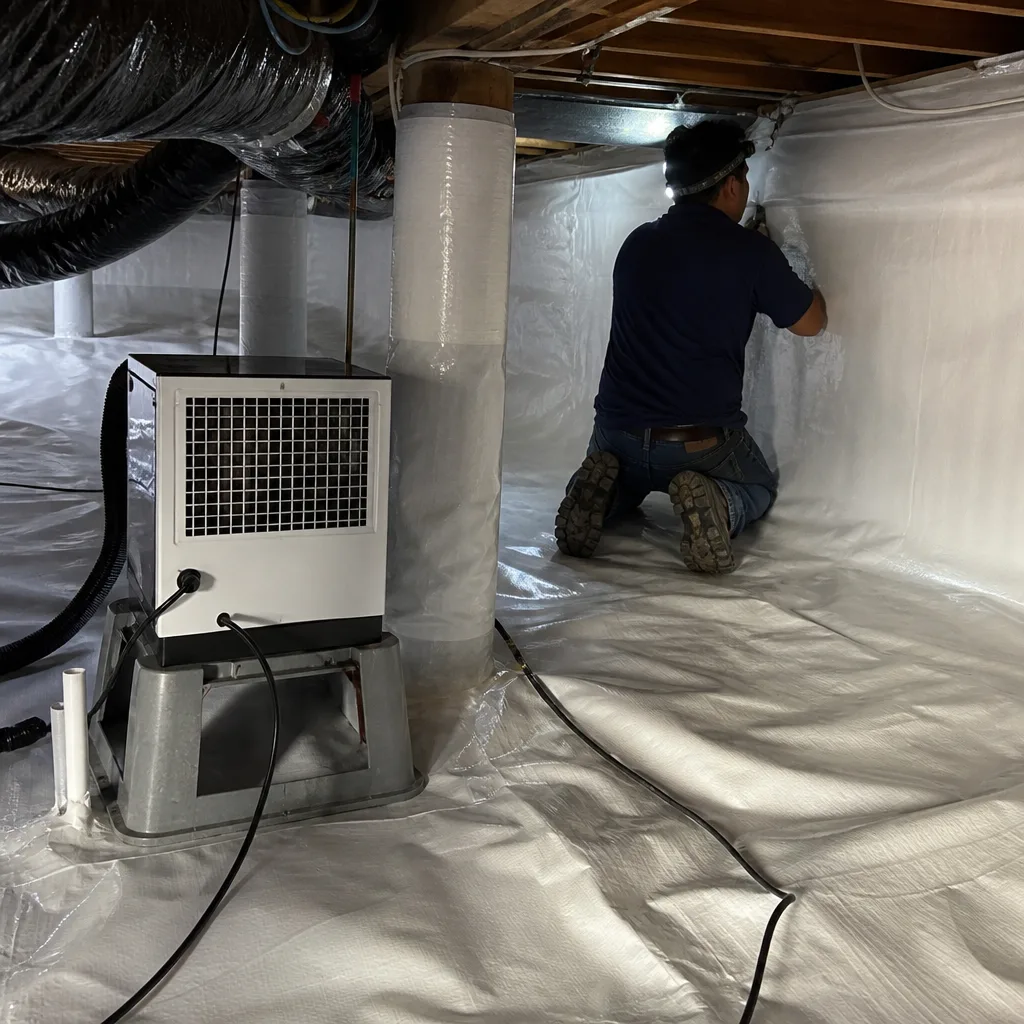
- 1
Moisture mapping and blower-door baseline. We run a pressurization test - a blower-door reading that shows, in one number, how much conditioned air the house is losing - and deploy thermal imaging to locate where Icynene has failed or where vapor is migrating through compromised barriers.
- 2
Written scope and price delivered before work starts. Under Haven Standard Clause 1, you get a flat price, written scope, and written warranty before anyone lifts a tool. No exceptions.
- 3
Selective foam remediation and substrate preparation. We remove only failed Icynene sections, not intact material that still performs. Wood framing gets borate treatment; corroded fasteners in coastal zones get stainless replacement.
- 4
Vapor barrier installation with mechanical fastening. 12-mil reinforced polyethylene, seams overlapped 12 inches and sealed with pressure-sensitive tape, walls sealed to sill plate with acoustic sealant, floor piers wrapped and taped. Sump pump and dehumidifier specified if hygrometer readings warrant.
- 5
Air sealing and final blower-door verification. Top plates, plumbing penetrations, and electrical chases sealed with appropriate materials. We publish the after number so you see the performance change you paid for.
- 6
Documented Photo Record and 365-Day Done Right Promise activation. Every photo, every reading, every material spec delivered digitally. If it’s not done right, we make it right.
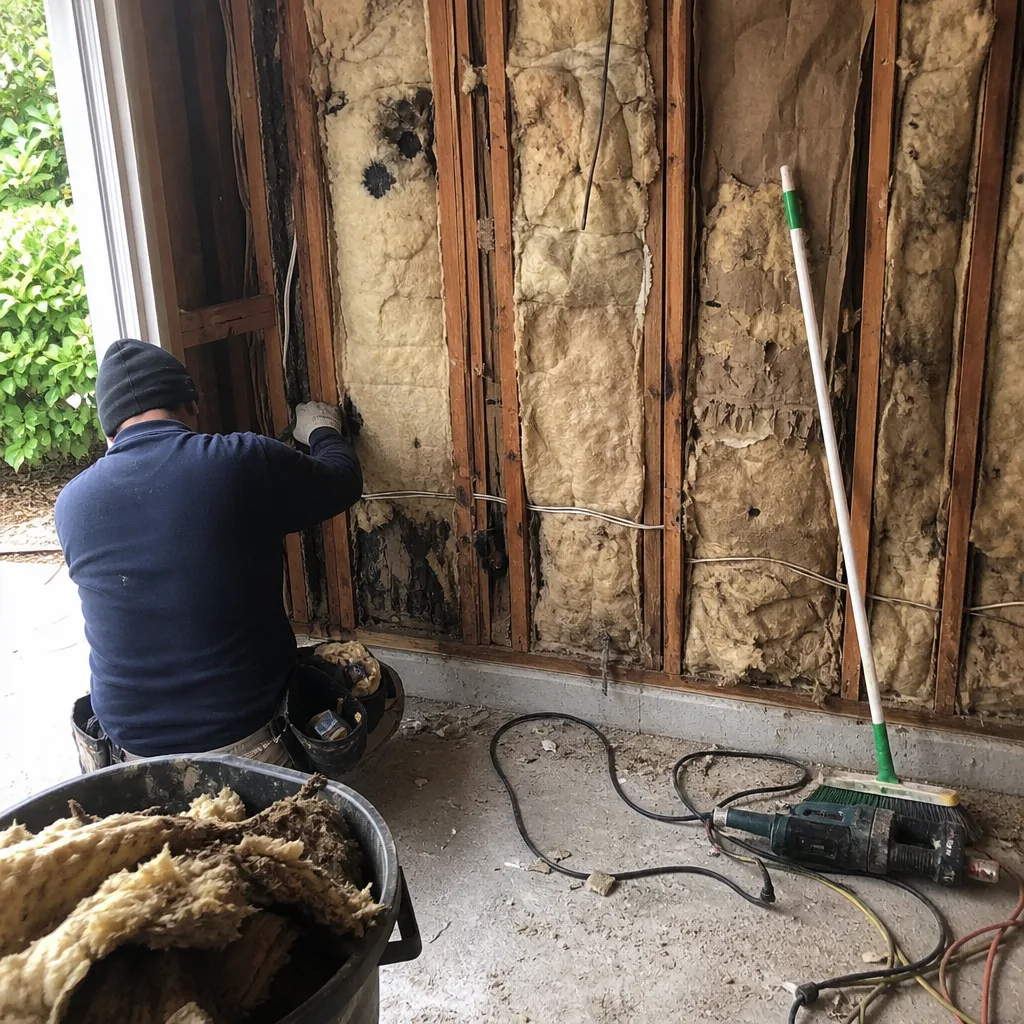 Before
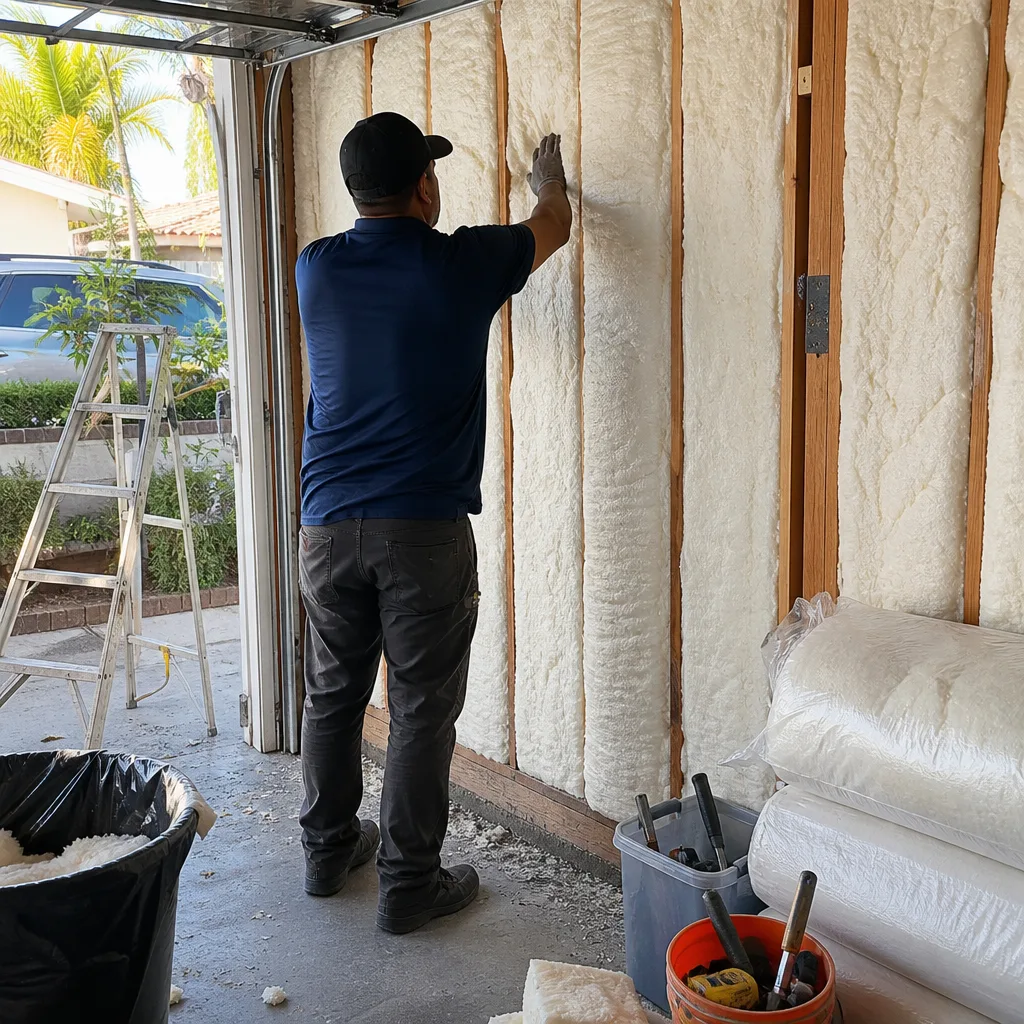 After
AfterWhat Icynene Crawl Space Encapsulation & Vapor Barrier Costs in Newport Beach
| Scenario | Typical Range |
|---|---|
| Vapor barrier replacement only (no foam remediation) | $2,800 - $3,800 |
| Open-cell Icynene removal + barrier + conditioning | $3,800 - $5,400 |
| Closed-cell delamination repair + drainage install | $4,200 - $6,200 |
| Full encapsulation with dehumidification (1,200 sq ft crawl) | $6,500 - $9,800 |
Three factors move the price: crawl space access difficulty (tight Newport Beach lots with zero lot lines complicate material handling), extent of Icynene saturation requiring removal versus spot repair, and whether the water table demands active drainage. Homes on the Balboa Peninsula or Newport Island often need sump pump integration that inland Eastbluff properties don’t.
Call (657) 261-8265 for a written estimate - our Free Second Opinion applies to any competing quote you’ve already received.
Why Newport Beach Homeowners Call Topside Attic Insulation Newport Beach for Icynene Work
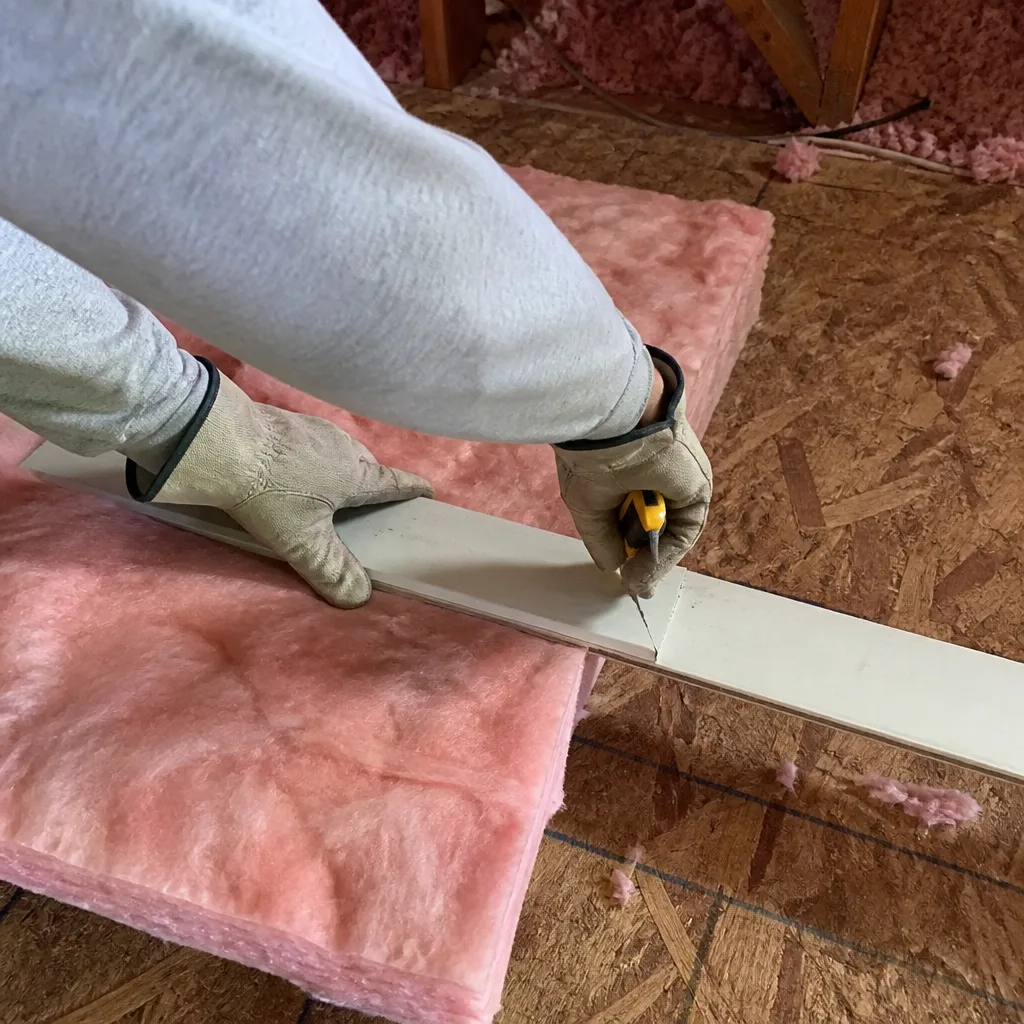
We’ve pulled permits and run blower-door tests on homes from the Balboa Peninsula to the hills above Corona del Mar. Our crew knows the difference between Icynene Classic Max and MD-C-200, and we don’t treat crawl space moisture as an insulation problem to be solved with more R-value. Seal the leaks first. Then insulate. The R-value on the bag means nothing if the air is moving freely around it.
Our materials come from Owens Corning, Johns Manville, Knauf, Rockwool, CertainTeed, Icynene, Demilec, and GreenFiber - no proprietary lock-in. We also service Reflectix radiant barrier systems when they’re part of the envelope assembly. Every job gets the Haven Standard: written price first, documented record last, and a live person answering the phone at (657) 261-8265.
FAQs
No, provided the work is performed by qualified technicians who follow Icynene’s published installation guidelines for remediation and reapplication. As an independent Icynene service provider, we document our methods and materials so any warranty claim you file with Icynene directly has the supporting evidence the manufacturer requires. Call (657) 261-8265 and we’ll review your original installation paperwork with you.
We source Icynene products through authorized distribution channels for jobs requiring foam replacement, and we also specify equivalent closed-cell formulations from Demilec or CertainTeed when the application or budget calls for it. We never lock you into a single brand. Our written scope names the exact product and density before work starts.
Spot repair runs 40-60% less than full encapsulation but only makes sense if moisture is isolated to one area and the existing vapor barrier is otherwise intact. In Newport Beach’s marine climate, we often find that partial repairs fail within two years because humidity migrates to the untreated sections. We quote both paths so you can compare ten-year cost, not just today’s invoice.
We typically schedule within 48 hours for active moisture issues, and most jobs finish in one day unless extensive foam removal or drainage installation is required. Our 24/7 live answer means you’re not waiting through a callback window while mold propagates. Call (657) 261-8265 for the next available slot.
Probe the foam gently with a screwdriver - failed open-cell will feel squishy and may release moisture when compressed; sound foam springs back. Dark staining on the surface usually indicates mold feeding on dust accumulation, which means air is moving through the foam (a ventilation or vapor barrier failure, not necessarily the foam itself). We bring a moisture meter and thermal camera to every estimate so you’re not guessing.
Written by Wes Okafor, Owner, Topside Attic Insulation Newport Beach at Topside Attic Insulation Newport Beach, serving Newport Beach and nearby areas.