
Rockwool Attic Air Sealing: The Newport Beach Owner’s Guide
Rockwool-compatible attic air sealing in Newport Beach typically runs $1,800-$3,400 for a complete top-plate and penetration seal on a 1,500-2,500 sq ft home, and we stock the full range of Rockwool-compatible sealing components on our trucks for same-day starts. Most Newport Beach owners discover the failure when their newly installed Rockwool batts aren’t delivering the temperature hold they expected, or when a home energy audit reveals conditioned air bleeding through the attic floor faster than the insulation can slow it. The fix isn’t more insulation; it’s sealing the bypasses first, then resetting the Rockwool properly.
Wes Okafor puts it plainly: “Seal the leaks first. Then insulate. The R-value on the bag means nothing if the air is moving freely around it.”
Which Rockwool Models This Applies To
Rockwool’s residential attic line, sold under the ROCKWOOL Comfortbatt and Comfortboard series, doesn’t include a proprietary air-sealing system. The “Rockwool air sealing” homeowners need is actually the building-envelope prep that happens beneath or around it: top-plate gaskets, can-light enclosures, dam boxes for HVAC boots, and sealant at chase walls and wire penetrations. We’ve installed Rockwool products alongside these seals in Newport Beach homes from the Balboa Peninsula to the hills above Corona del Mar since 2016.
To identify what your specific job requires, check what’s currently in your attic. Comfortbatt comes in 3.5″, 5.5″, and 7.25″ thicknesses for 2×4, 2×6, and 2×8 framing; the batts are dense enough that they compress poorly around irregular framing, which makes pre-sealing even more critical. Comfortboard 80 or 110 is the rigid version, often used for perimeter dams or wind-wash barriers at the eaves. If your existing Rockwool is sitting on an unsealed attic floor, the bypasses are almost certainly active.
We source OEM-compatible sealing components from Owens Corning, Johns Manville, Knauf, Rockwool, CertainTeed, and others. No proprietary lock-in. For Rockwool jobs specifically, we prefer fire-rated acrylic sealant at top plates and pre-formed EPDM gaskets at electrical penetrations, materials that match Rockwool’s 1,000°F melt tolerance rather than generic latex that degrades faster in a hot Newport Beach attic.
Signs Your Rockwool Attic Air Sealing Is Failing
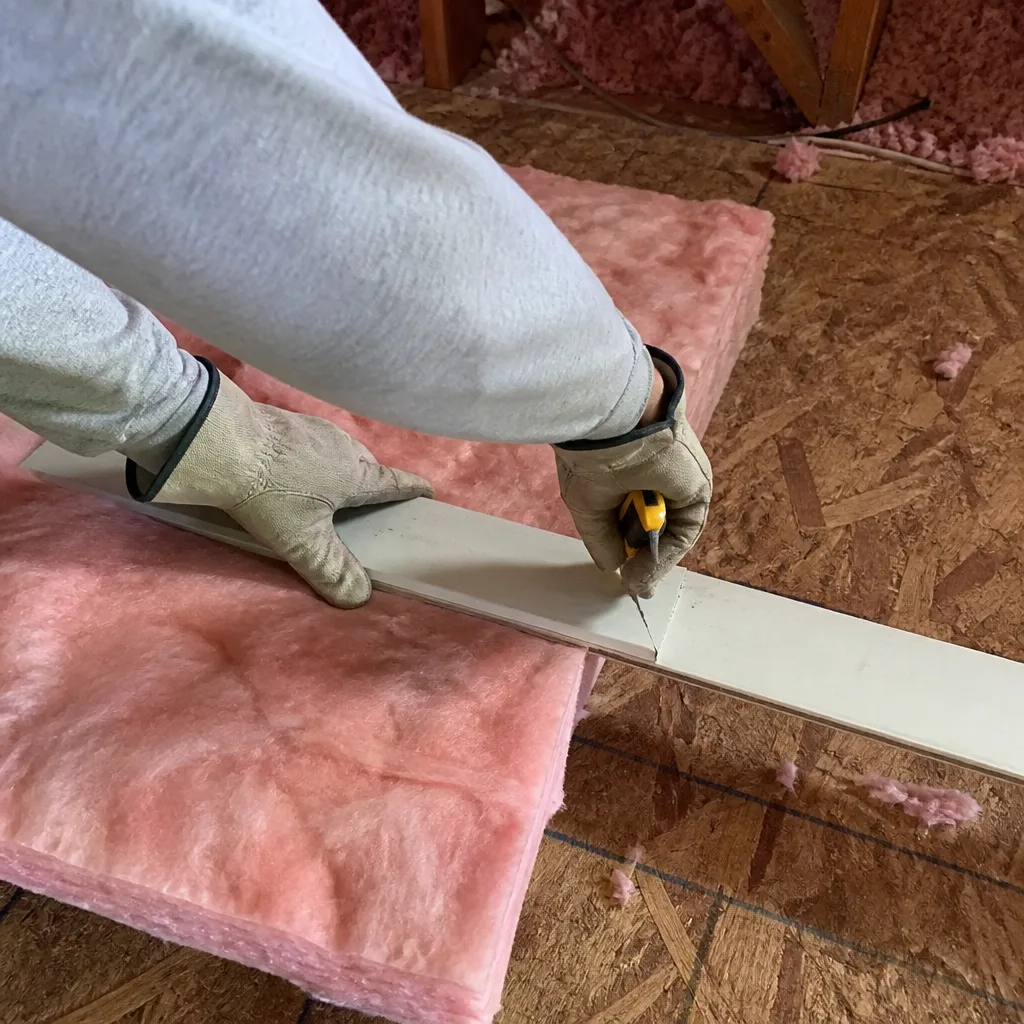
- Dust streaking on the Rockwool surface. Air moving through bypasses carries fine particles from the attic into the batts, leaving gray or black trails that follow the framing bays. This isn’t mold; it’s filtration, and it means conditioned air is escaping through gaps the insulation was never designed to block.
- Uneven temperatures between rooms sharing a common attic. In Newport Beach, we see this often in 1970s-1990s tract homes near Eastbluff and Dover Shores where chase walls weren’t sealed at the top plate. One bedroom runs three degrees warmer because the air is short-circuiting through the attic, not because the ductwork failed.
- Ice damming or premature shingle wear at the eaves. Even in mild Newport Beach winters, wind-wash through poorly dammed eaves strips heat from the roof deck. Rockwool without a sealed wind-wash barrier is especially prone to this because its density doesn’t conform to irregular joist ends the way loose-fill does.
- Energy bills that didn’t drop after Rockwool installation. If a contractor blew or placed Rockwool over an unsealed attic floor, you paid for R-value that the air is moving around. We’ve measured blower-door reductions of under 10% on these jobs, which means the envelope is still leaking.
- Can lights that feel drafty or show attic debris below. Recessed cans are built-in bypasses. Without a fire-rated enclosure sealed to the drywall, they dump conditioned air directly into the attic. Rockwool can’t touch them; it’s a clearance issue, and it’s a code issue in California Title 24.
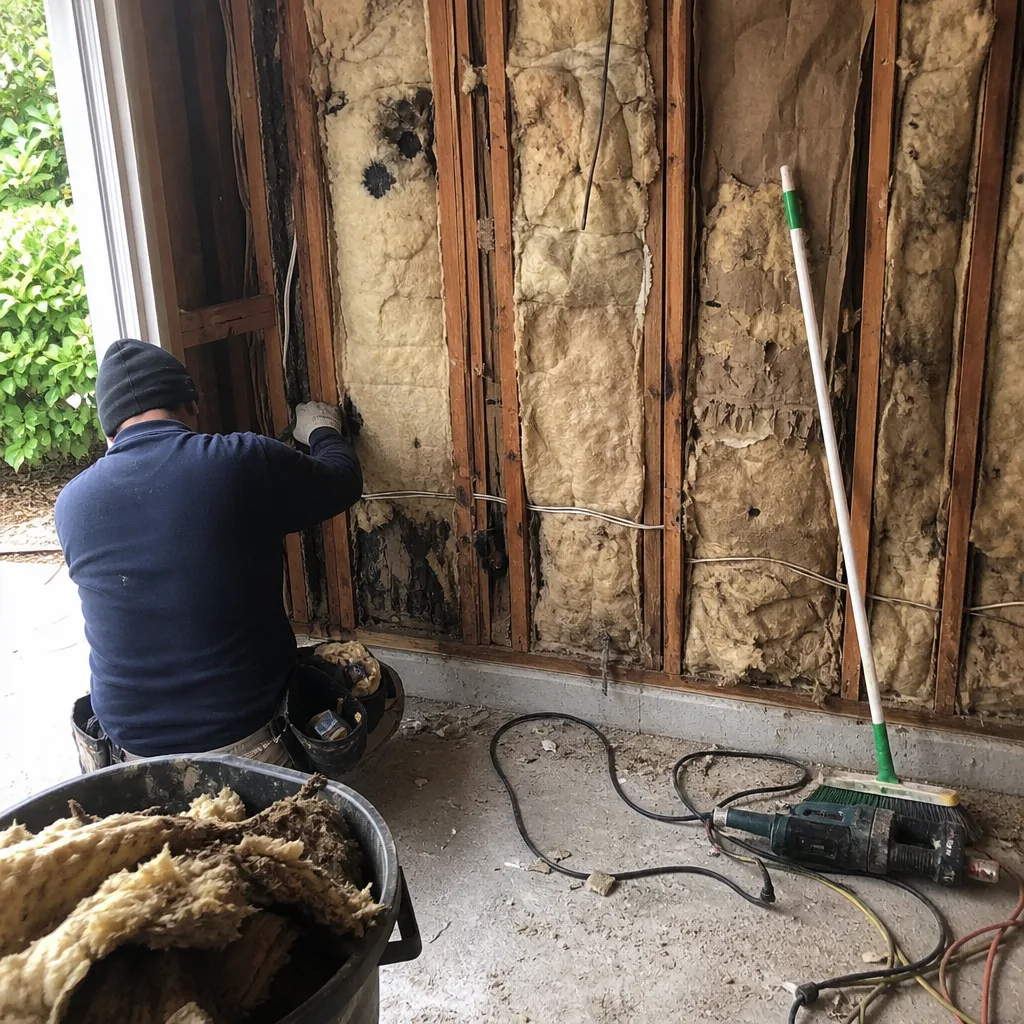 Before
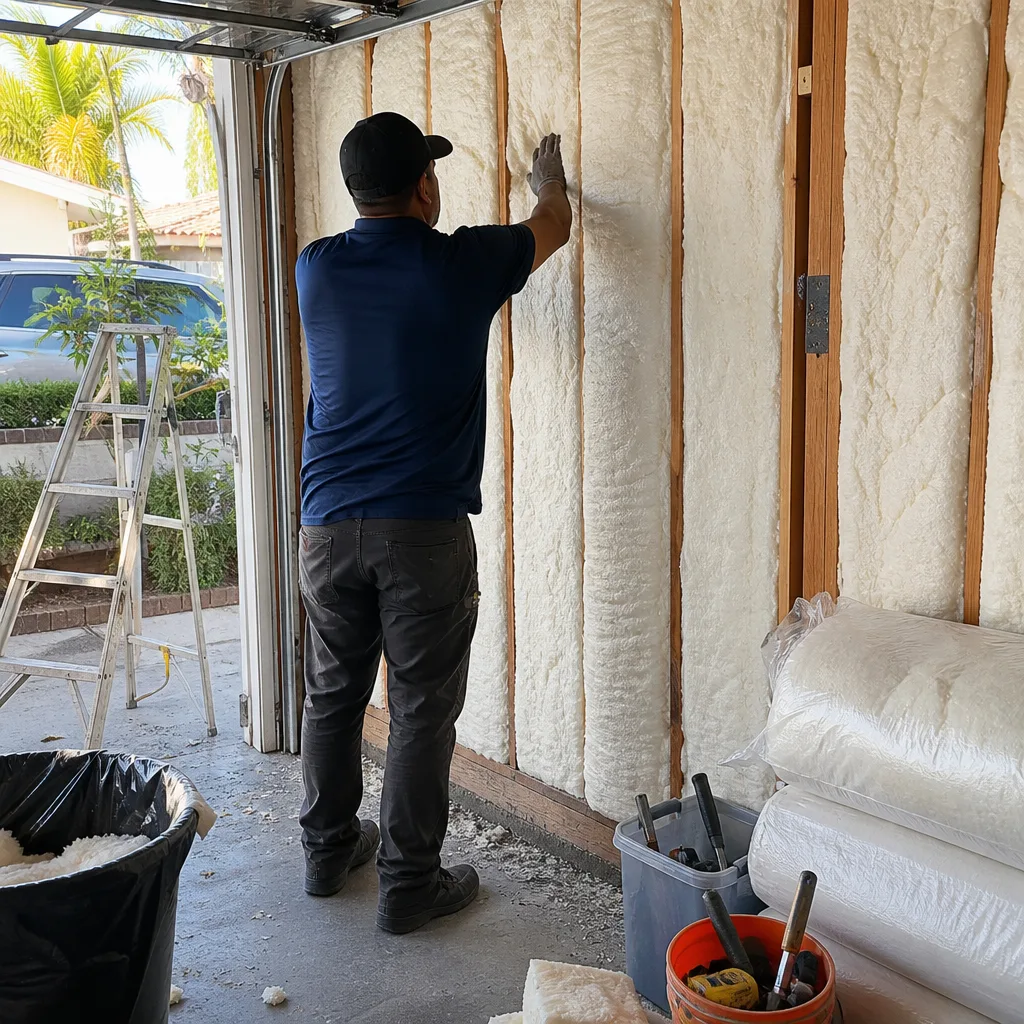 After
AfterReplacement Cost & What’s Included
Most complete attic air sealing jobs in Newport Beach run $1,800-$3,400, with smaller partial seals (top plates and penetrations only, no can-light work) starting around $1,200. The range depends on attic square footage, accessibility, number of can lights or HVAC boots, and whether we’re working around existing Rockwool or removing and resetting it.
Every job includes: written price before any work starts (Haven Standard Clause 1), the sealant and gasket materials, labor to access and treat all top plates, electrical penetrations, chase walls, and HVAC boots, a Documented Photo Record of every sealed location, and before-and-after blower-door numbers so you can verify the result in CFM50. The 365-Day Done Right Promise applies. If we’re resetting existing Rockwool, that’s included in the scope; if new material is needed, we price it separately and in writing.
We don’t charge to read a competing estimate. Bring us any written quote; we’ll review it with you, line by line, at no cost.
DIY or Call Us?
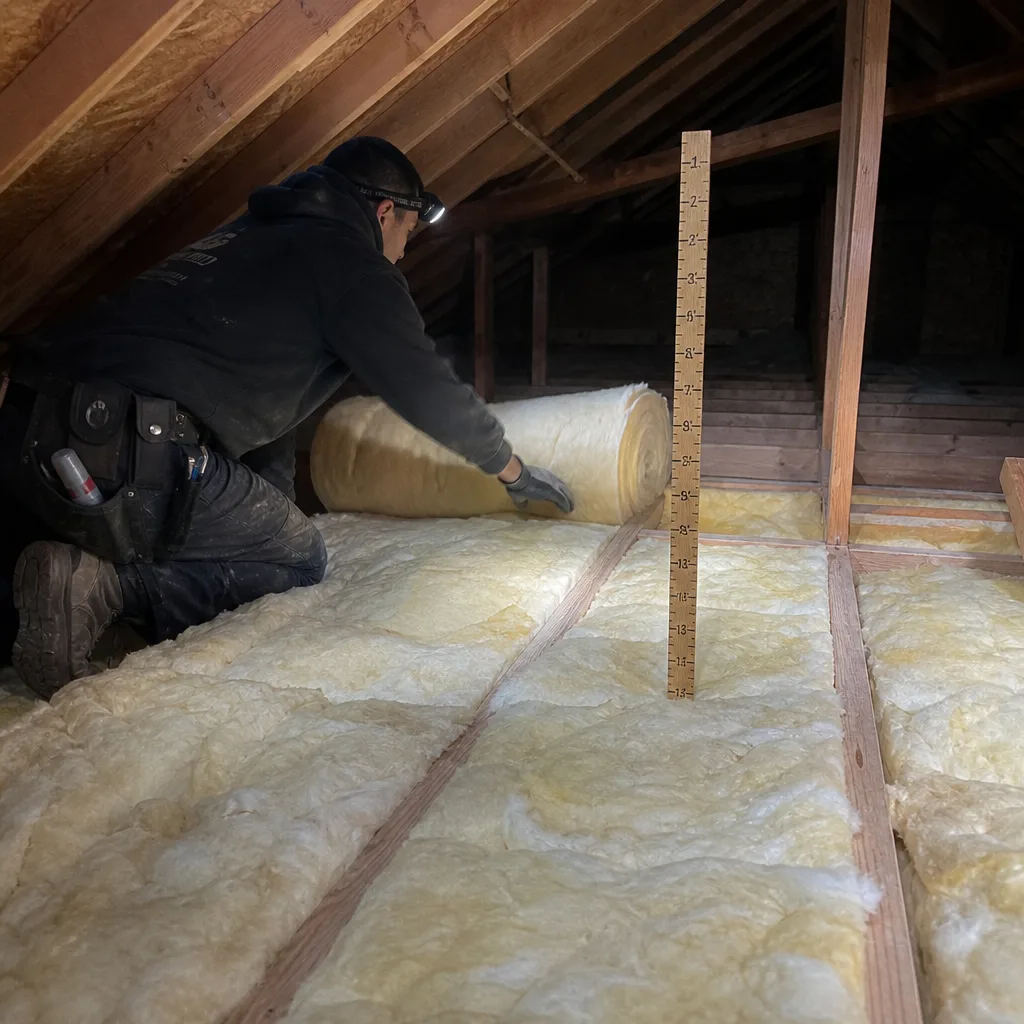
There’s a short list an owner can safely check: confirm your attic access is stable, note any visible gaps at top plates or around fixtures, and photograph anything that looks like a bypass for reference. Don’t disturb existing Rockwool without respiratory protection; the fibers are mineral wool, not asbestos, but they’re still irritants.
Where DIY goes wrong: top-plate sealing requires working across full joist bays, often near live electrical; can-light enclosures must be fire-rated and sealed to California Title 24; and without a blower-door test, you’re guessing at whether you found the leaks that matter. We’ve re-done homeowner attempts where the sealant was applied to the wrong side of the plate, or where latex caulk was used in a location that sees 140°F attic peaks and failed within two summers. The test matters. The sequencing matters. Call (657) 261-8265 for a written price before anyone lifts a tool.
FAQs
A properly executed seal using fire-rated acrylic or butyl tape and EPDM gaskets lasts 20-30 years in a Newport Beach attic, outliving the Rockwool itself. The failure mode we see is almost always improper material selection, not age. Call (657) 261-8265 for an exact quote on your specific attic - estimates are free.
Partial repairs work only when a blower-door test or infrared scan isolates the dominant leaks. In most Newport Beach homes built before 2005, the leaks are distributed enough that spot-sealing leaves 40-60% of the problem untouched. We quote both approaches in writing so you can see the projected CFM50 difference. Call (657) 261-8265 to schedule the test.
A typical 2,000 sq ft attic seal takes one full day for a two-person crew, plus a half-day for the blower-door verification. If we’re removing and resetting Rockwool, add a day. We don’t leave until the after-test is complete and the numbers are in your hand. Call (657) 261-8265 to check same-week availability.
Yes. Our trucks carry fire-rated acrylic sealant, EPDM penetration gaskets, pre-formed top-plate foam, fire-rated can-light enclosures, and wind-wash barrier materials sized for standard Newport Beach framing. Rockwool-specific jobs are common enough here that we don’t special-order the basics. Call (657) 261-8265 to confirm compatibility with your specific installation.
Topside Attic Insulation Newport Beach is an independent service provider, not affiliated with Rockwool. We also stock parts for Reflectix and other major insulation brands.
Ready to see what your attic is actually losing? Call (657) 261-8265. A live person answers 24/7. We’ll schedule a free estimate, deliver a written price before any work starts, and leave you with documented blower-door proof of the result.
Written by Wes Okafor, Owner, Topside Attic Insulation Newport Beach at Topside Attic Insulation Newport Beach, serving Newport Beach and nearby areas.