
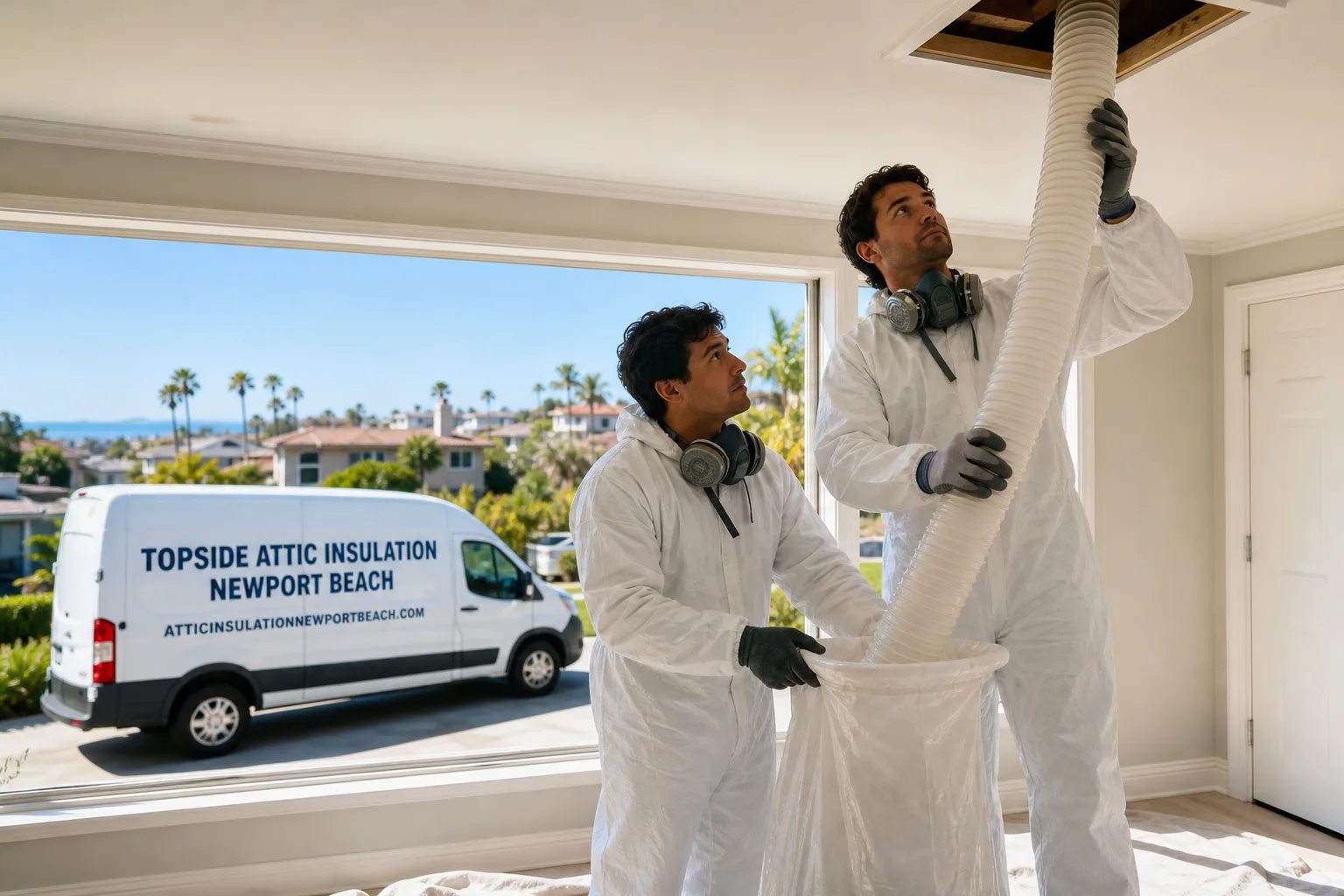
How Much Does Radiant Barrier Installation Cost in Newport Beach?
Radiant barrier installation in Newport Beach, CA typically costs between $1,400 and $3,200 for a single-story home with an attic footprint in the 1,200-2,400 square foot range. Most homeowners in Corona del Mar, Eastbluff, and the Newport Heights area pay somewhere around $1,800 to $2,400 when the attic is accessible and no prior insulation removal is needed. The wide range exists because attic geometry, existing insulation depth, and whether air sealing is done at the same time all move the number significantly.
Radiant Barrier Installation Cost Breakdown (2026)
Radiant barrier installation in Newport Beach costs between $0.85 and $1.85 per square foot of attic floor area for foil installation alone. That figure shifts once you factor in attic prep, access difficulty, and any work done on the building envelope at the same time. Here is how the line items typically break down for a Newport Beach home:
| Line Item | Typical Cost Range (2026) | Notes |
|---|---|---|
| Radiant barrier foil (materials only) | $0.25-$0.55 per sq ft | Perforated foil for ventilated attics; double-sided for peak performance |
| Labor – standard accessible attic | $0.60-$1.10 per sq ft | Good access, standard rafter bay spacing, no major obstructions |
| Labor – restricted attic (low pitch, dense obstructions) | $1.10-$1.75 per sq ft | Common in older Balboa Island or Newport Crest homes with shallow pitches |
| Attic air sealing (top plates, can lights, penetrations) | $450-$1,100 | Completed before foil goes in; not optional at Envelope Insulation Co. |
| Insulation removal (if required) | $1.00-$1.80 per sq ft | Degraded batts or rodent-compromised material must come out first |
| Additional attic hatch / access cut | $180-$350 | Sometimes needed in larger homes in Harbor View Hills or Bonita Canyon |
| Full project (foil + air sealing, 1,500 sq ft attic) | $1,700-$2,800 | Most common scope for a mid-size Newport Beach single-family home |
| Full project (foil + air sealing, 2,400 sq ft attic) | $2,600-$3,800 | Larger homes in Newport Coast or Pelican Hill Road area |
One thing to flag about Newport Beach pricing specifically: the local labor market runs about 18-22% higher than the Inland Empire for skilled trades, and material delivery costs to the peninsula and island areas (Balboa Island in particular) can add a small logistical premium. A contractor driving from Anaheim or Riverside who quotes you a low flat rate may be calculating that margin somewhere else in the job – worth asking about before you sign anything.
At Envelope Insulation Co., operating here as Radiant Barrier Installation in Newport Beach under the Topside Attic Insulation Newport Beach brand, every project starts with a written price – a flat scope, written warranty, and itemized cost before anyone opens a tool bag. That is Haven Standard Clause 1, and it applies to every job from a 900-square-foot beach cottage in West Newport to a 3,800-square-foot home in Newport Coast. Under Wes Okafor’s direction, our crews have completed this same process on more than 9,000 homes since 2016.
What Affects Radiant Barrier Installation Pricing in Newport Beach
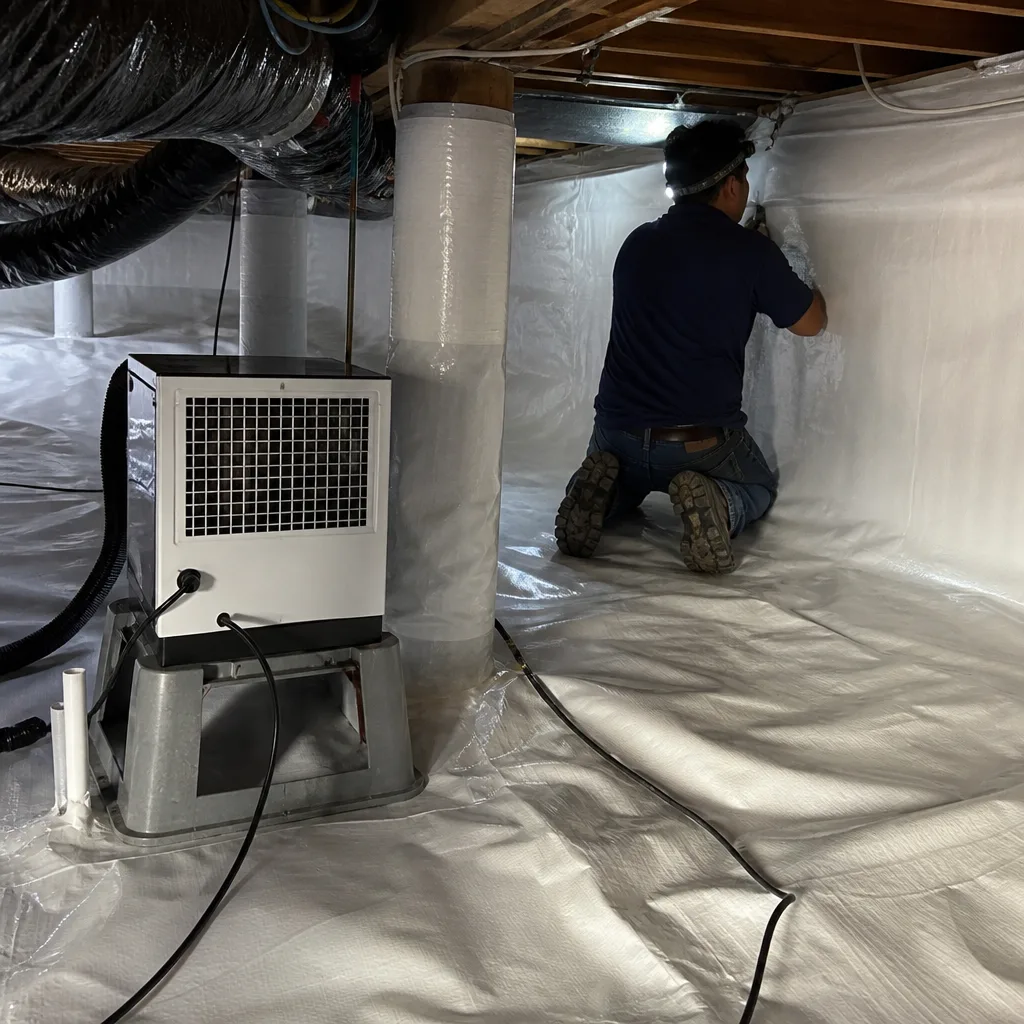
Several real variables move the price up or down on any given job. These are the ones that matter most in the Newport Beach market specifically.
- Attic square footage and geometry. This is the single biggest lever. A 1,000-square-foot attic with a clean 6:12 pitch costs significantly less to foil than an 1,800-square-foot attic with a 3:12 pitch and a series of HVAC drop-downs running through it. Many homes in Eastbluff and the older tract neighborhoods near Irvine Avenue have low-slope roofs that add labor time per square foot.
- Attic access quality. Standard 22×30-inch scuttle holes are workable. Smaller hatches, hatches positioned over closets with no staging room, or attics with no decked walkway all slow the crew down. Some Newport Crest townhomes, for instance, have access conditions that add 20-30% to labor cost compared to a standard single-family home with a garage attic hatch.
- Marine microclimate at the coast. Newport Beach sits inside a marine layer zone. Homes west of Pacific Coast Highway – particularly in the Balboa Peninsula and Lido Isle areas – see more moisture cycling than homes three miles inland in Harbor View Hills. That moisture history affects what we find when we open the attic: older foil products, if previously installed, can degrade faster in that environment, and some attics have elevated humidity readings that need to be addressed before new foil goes in.
- Existing insulation condition. If existing batt insulation is in good shape and at adequate depth (R-30 or better for Newport Beach’s Climate Zone 8 requirements), the foil can go on top. If the batts are compressed, contaminated, or rodent-damaged – which is more common than most homeowners expect in homes built before 1995 – removal runs $1.00-$1.80 per square foot before foil work even begins.
- Air sealing scope. Foil stapled over an unsealed attic floor does less than half the job. The real performance gain comes when top-plate gaps, can-light penetrations, and plumbing chases are sealed with foam or caulk before the foil is applied. That work takes time and adds to the quote, but skipping it is the reason so many attic upgrades in Newport Beach underperform. We seal first, then insulate – in that order, without exception.
- Duct condition and placement. Homes in Newport Beach built between 1975 and 1995 frequently have flex duct runs through the attic that are in poor shape – collapsed sections, disconnected joints, or R-6 duct insulation that has degraded. A radiant barrier reduces radiant heat load on those ducts, but if the ducts themselves are leaking conditioned air, the foil’s impact on your energy bill is muted. Identifying duct issues during the same site visit often changes the recommended scope.
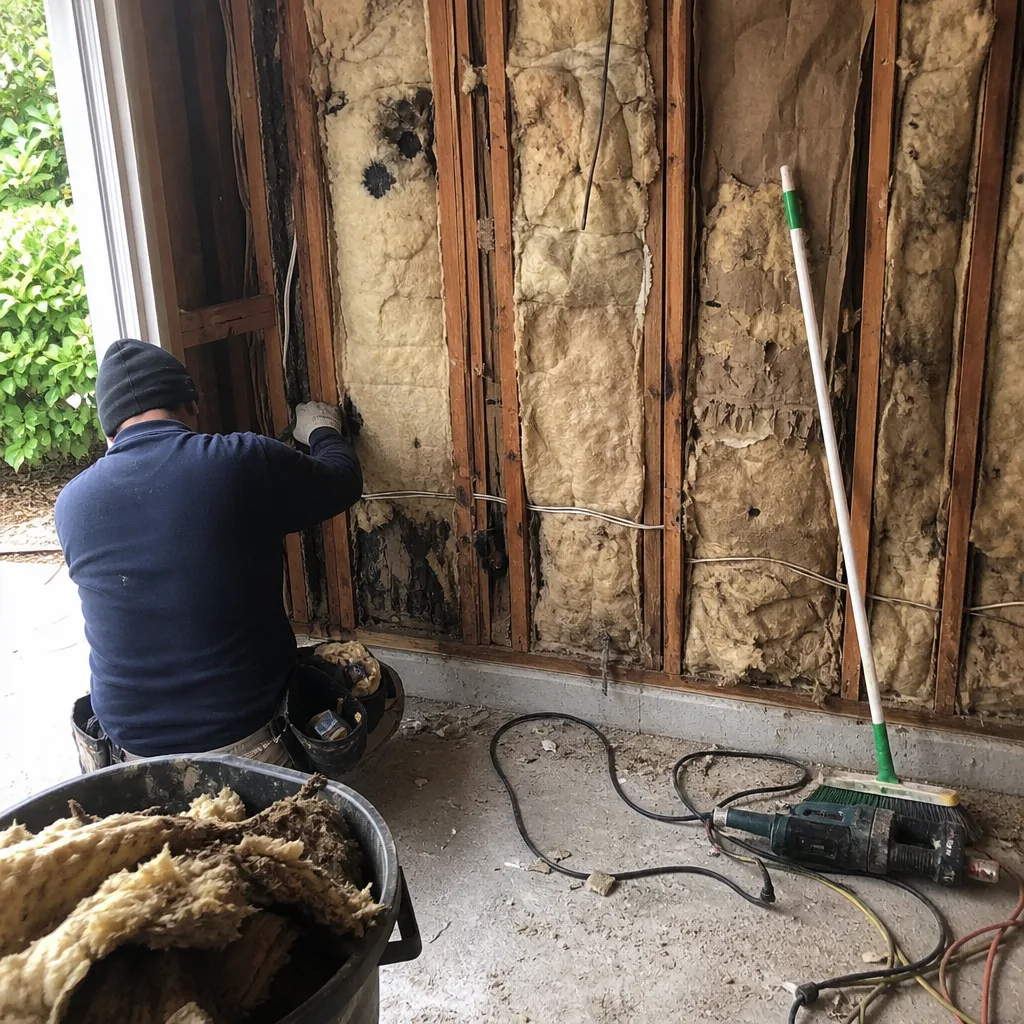 Before
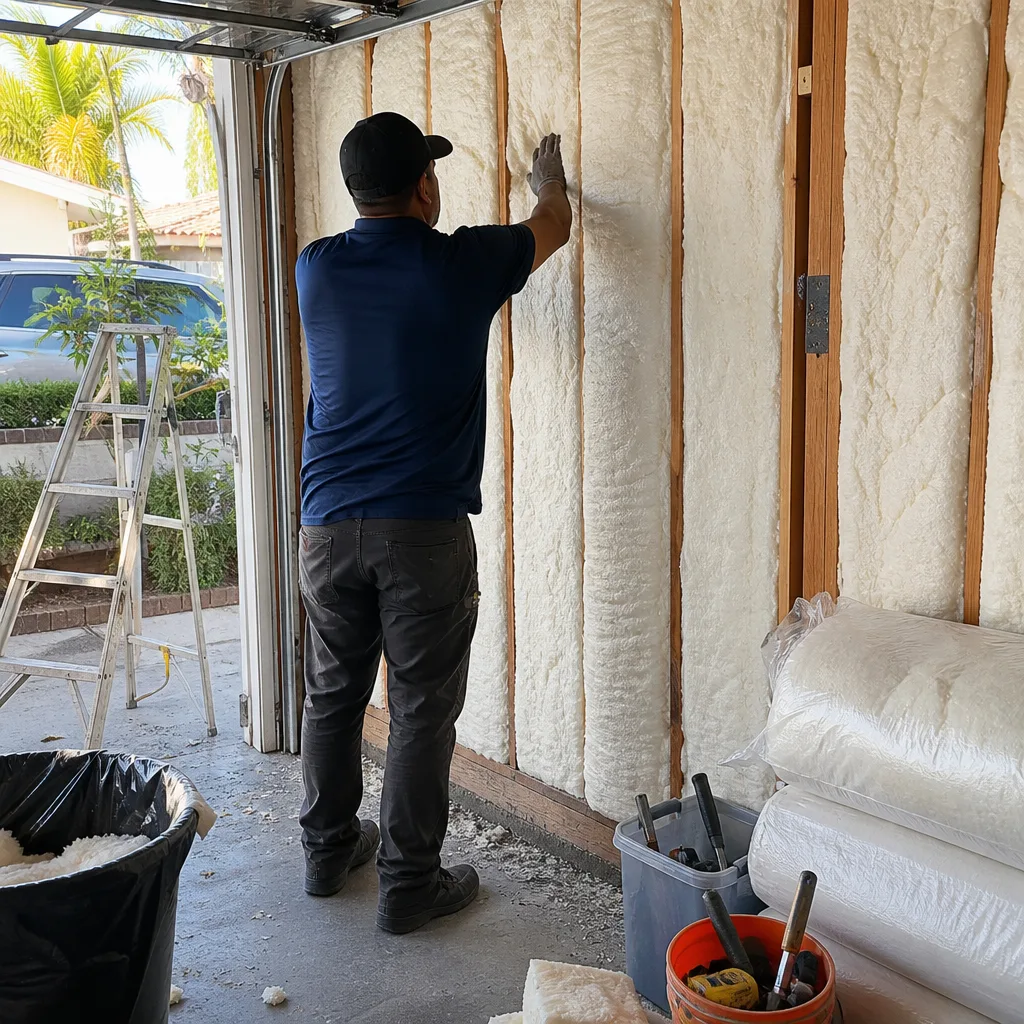 After
AfterIs a Radiant Barrier Worth It in Newport Beach’s Climate?
Newport Beach sits in California Climate Zone 8, which is technically a mild coastal zone – but that description undersells the attic heat problem. On summer afternoons, even with the marine layer keeping outdoor temps in the mid-70s, attic air temperatures in Newport Beach homes routinely reach 140-155°F. That heat radiates down through the ceiling into living spaces, which means your air conditioner is fighting both the outdoor temperature and a superheated attic ceiling.
A properly installed radiant barrier – perforated foil stapled to the underside of the roof rafters or laid over existing insulation on the attic floor, with an airspace maintained on at least one side – reflects roughly 95-97% of that radiant heat before it ever reaches your insulation layer. Studies from the Florida Solar Energy Center and the Oak Ridge National Laboratory found attic air temperature reductions of 20-30°F and cooling load reductions of 10-17% in homes with similar climate profiles to Newport Beach.
For a Newport Beach homeowner running central air conditioning from June through October, that reduction in cooling load translates to real bill savings. Homes in the Bonita Canyon and Newport Coast neighborhoods, which sit further inland and see summer highs 8-12 degrees warmer than the beach areas, tend to see the most dramatic payback periods – often in the 4-6 year range at current SCE electricity rates. Homes on the Balboa Peninsula with ocean-facing exposure and natural ventilation from sea breezes still benefit, but the payback math typically runs 7-9 years for foil alone, less when combined with other building envelope work done at the same time.
Radiant Barrier vs. Adding More Insulation: Which Makes More Sense?
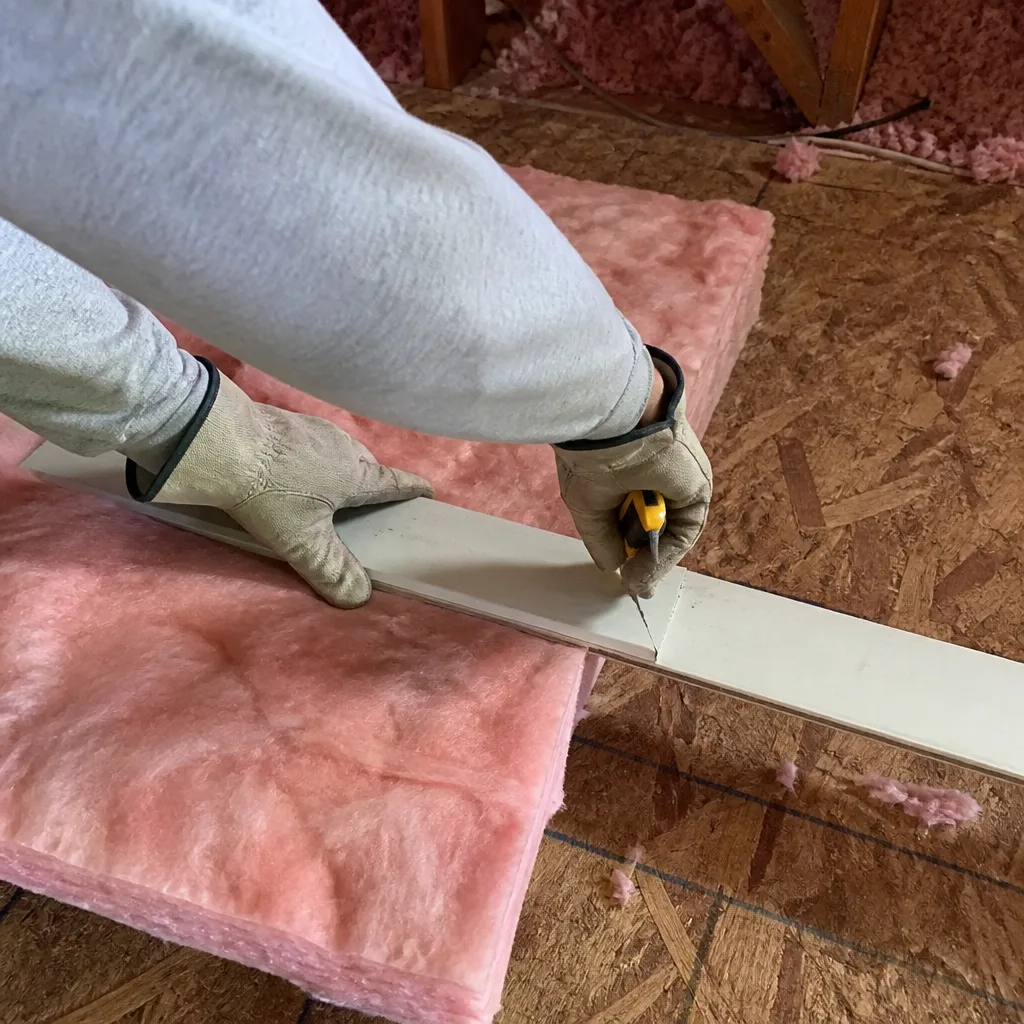
This is the question we hear most often when homeowners in Newport Beach are comparing quotes. The short answer: they solve different problems, and in many cases both are needed.
Insulation – measured in R-value – slows conductive heat transfer. It slows heat moving through solid materials. A radiant barrier reflects radiant heat, which is heat traveling as infrared radiation through the air. In an attic, both are happening at once: radiant heat from the hot roof deck radiates down through the air space to the insulation below, and then conductive heat moves through that insulation into the living space below.
California’s Title 24 energy code requires a minimum of R-30 in attic floors for Climate Zone 8, and R-38 is increasingly common in newer Newport Beach construction. If you already have R-38 blown-in insulation in good condition and your attic floor is sealed, adding a radiant barrier makes sense and will compound the benefit. If you have deteriorated R-13 batts laid flat on the attic floor with gaps and no air sealing, adding foil without fixing the insulation and air sealing is throwing money at the wrong part of the problem first.
When Wes Okafor’s team does a site assessment, we document what we find with photos – attic floor condition, insulation depth measurements, visible air leaks, duct condition – and the written quote addresses the actual situation rather than defaulting to the most expensive scope. That documented photo record goes to the homeowner after every visit, whether they hire us or not.
How to Save on Radiant Barrier Installation in Newport Beach
There are a few legitimate ways to reduce the total cost of this project without cutting anything that affects long-term performance.
- Bundle with other attic work. If you need insulation added or replaced at the same time, or if there is any intention to have the attic air sealed, doing all of it in one crew visit meaningfully reduces total labor cost compared to scheduling two separate jobs. The attic access, staging, and setup time is shared across both scopes. On a 1,600-square-foot attic, bundling air sealing with radiant barrier installation typically saves $300-$500 compared to pricing each scope separately.
- Get a second opinion on any existing quote. If you have a written estimate from another contractor, bring it to us. Under the Haven Standard, we offer a free second opinion on any written estimate. We will go through it line by line with you and tell you whether the scope is right for your home, whether the materials specified are appropriate, and whether the pricing is in range for the Newport Beach market. No obligation to hire us afterward.
- Ask about California utility rebates. SCE (Southern California Edison) periodically offers rebates for qualifying insulation and radiant barrier installations, and the California Energy Commission’s Home Energy Savings Program has offered incentives for building envelope improvements in Climate Zone 8. Availability and amounts change year to year, so verify current offers directly with SCE before budgeting around them – but they can meaningfully offset project cost when active.
- Time the project outside peak summer. Scheduling attic work in October through February avoids the summer crew crunch. It also means your attic is prepped and performing before the following summer’s heat arrives. Some contractors offer off-peak pricing in fall and winter; at minimum, you will typically get faster scheduling and more flexibility in crew timing.
- Do not skip air sealing to reduce the quote. This sounds counterintuitive in a cost-saving section, but homeowners who get a cheaper quote by removing the air sealing scope often end up with a foil installation that delivers 40-50% of its potential performance benefit. The savings on paper become a worse return on investment over the life of the project. We seal first, then insulate – and we will not quote a radiant barrier job without including a proper assessment of air sealing needs, even if you ultimately decide not to do that part with us.
For an exact written price on your home, call (657) 261-8265. Every estimate includes a documented site assessment and a written scope with a flat price – no verbal quotes, no follow-up surprises. That is how we have operated since 2016, and it is not going to change.
What the Installation Process Actually Looks Like
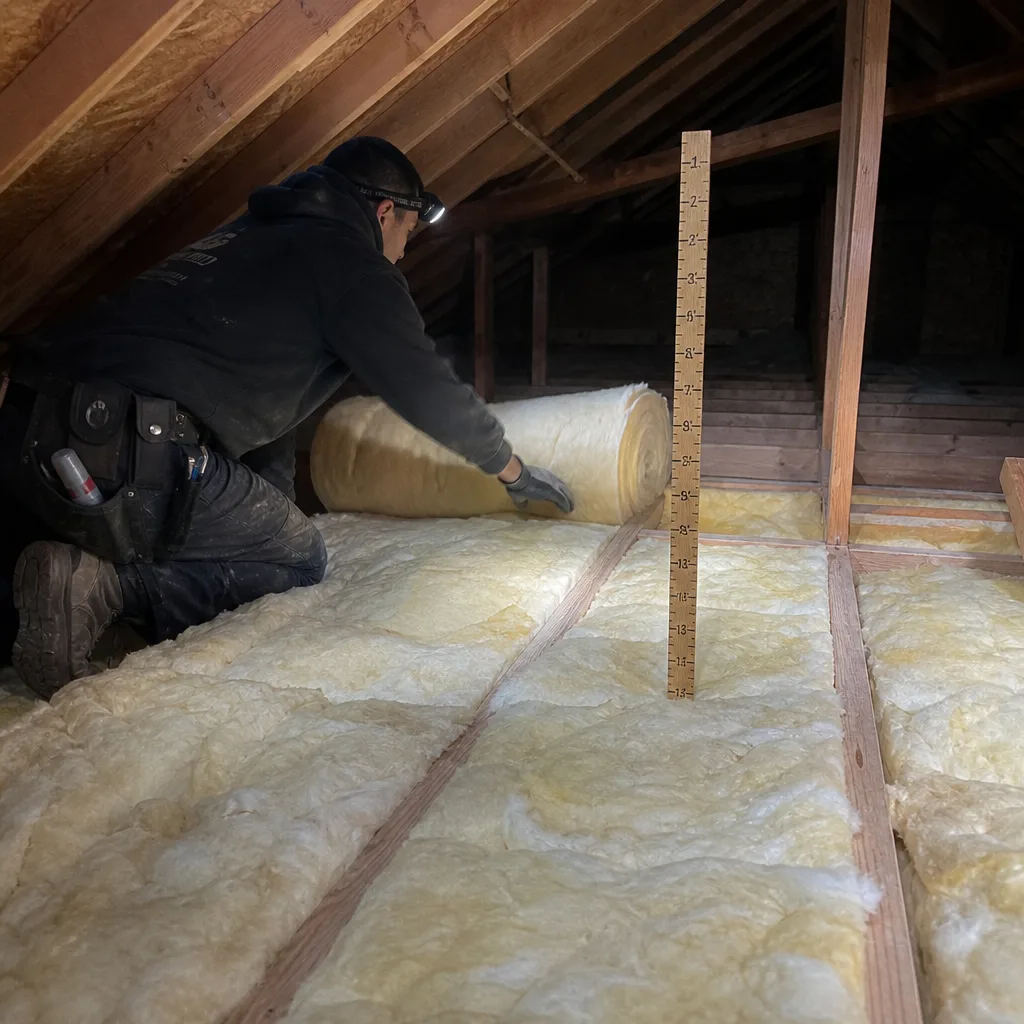
Most homeowners asking about cost also want to know what they are buying – what the crew does, in what order, and what they leave behind. Here is the honest version of how our Radiant Barrier Installation services run for a Newport Beach home.
The job starts with attic inspection and documentation. The technician enters the attic, photographs the existing conditions – insulation depth and condition, visible air leak points, duct condition, any signs of moisture or pest intrusion – and measures the actual square footage. Those photos and measurements form the basis of the written scope. Nothing is assumed from outside the house.
If air sealing is included in the scope (and it should be), that work happens next. Top-plate gaps are foam-sealed. Can-light penetrations are sealed with appropriate fire-rated materials. Plumbing and electrical chases are addressed. This is done before any insulation or foil is touched, because sealing over existing insulation without addressing the attic floor first reduces the effectiveness of the air sealing significantly.
Then the foil installation begins. For most Newport Beach homes with ventilated attics, perforated radiant barrier foil is the right product – it reflects radiant heat while allowing moisture vapor to pass through, which matters in a coastal climate with regular marine layer humidity cycling. The foil is stapled to the underside of the roof rafters, maintaining an airspace between the foil and the roof deck on one side. In attics where rafter-side installation is impractical due to geometry, the foil can be laid over existing insulation on the attic floor with the reflective surface facing up, though this method requires careful management to avoid covering the full surface in a way that traps moisture.
When the crew leaves, you receive a Documented Photo Record of the completed work – after photos showing foil coverage, sealed penetrations, and any other completed scope items. On applicable jobs where blower-door testing is included, you receive the before-and-after ACH50 readings – that is a measurement of air changes per hour at 50 pascals of pressure, which puts a single number to how much conditioned air your home’s envelope was losing before and after the sealing work. That number is how you verify the work actually changed your home’s performance, not just its appearance.
Newport Beach-Specific Considerations
Newport Beach is not a generic Southern California market, and cookie-cutter radiant barrier advice does not serve it well. A few things that come up specifically in our work here:
Salt air and metal fasteners. Homes within about half a mile of the water – Balboa Peninsula, Lido Isle, Balboa Island, and the bay-adjacent streets in Corona del Mar – have elevated salt air exposure that accelerates corrosion on metal fasteners and foil adhesive strips. We specify staple patterns and foil products appropriate for this environment. An inland contractor who does not work regularly in coastal Southern California may not account for this.
HOA access requirements. Several Newport Beach communities – Bonita Canyon, Newport Coast, and parts of Harbor View Hills – have HOA rules governing contractor access, hours of work, and material staging. We are familiar with these requirements. If your community has specific contractor policies, let us know when you call and we will verify compliance before the scheduled date.
Older construction in the peninsula neighborhoods. West Newport, the Balboa Peninsula, and Lido Isle include housing stock dating to the 1940s-1960s. These homes frequently have attic configurations that do not match standard installation assumptions: shallow pitches, non-standard rafter spacing, older knob-and-tube electrical that needs to be noted (though not touched by our crew), and in some cases, original roof boards rather than plywood sheathing. We document what we find and price accordingly.
Title 24 compliance. California’s Title 24 energy code applies to permitted work, and some radiant barrier installations – particularly those associated with a re-roof or permitted HVAC replacement – need to meet specific documentation requirements. We can tell you during the site assessment whether your planned project triggers any Title 24 documentation obligations.
FAQs – Radiant Barrier Installation Cost in Newport Beach
How much does radiant barrier installation cost in Newport Beach in 2026?
Most radiant barrier installations in Newport Beach run between $1,400 and $3,200 for a single-family home, with the majority of jobs landing in the $1,800-$2,600 range when attic air sealing is included. Smaller homes (under 1,200 sq ft of attic space) can come in below $1,400; larger homes in Newport Coast or Harbor View Hills with complex attic geometry can run $3,500 or more. The only way to get a number specific to your home is a written site assessment – call (657) 261-8265 and we will schedule one at no charge.
Does radiant barrier installation actually reduce my electric bill in Newport Beach?
Yes, measurably – though the number depends on your home’s current envelope condition and how much you run air conditioning. In Newport Beach’s Climate Zone 8, properly installed radiant barrier foil combined with adequate attic insulation and air sealing typically reduces cooling load by 10-17%. At current SCE residential rates, homeowners in the inland Newport Beach zip codes (92657, 92660) who run central AC from June through October tend to see annual savings in the $180-$420 range. Homes on the Balboa Peninsula with more natural ventilation and lower AC usage see smaller dollar savings, even though the foil is doing the same physical work.
Can radiant barrier be installed over existing insulation, or does it have to go on the rafters?
Both methods work, but they work differently. Rafter-side installation – stapling the foil to the underside of the roof rafters – is generally preferred in Newport Beach’s coastal climate because it maintains the airspace needed for maximum reflectivity and allows the perforated foil to manage humidity vapor. Attic-floor installation (foil laid over existing insulation) is an option in attics where rafter-side access is very difficult, but it requires leaving gaps at the perimeter for airflow and is less effective in humid coastal conditions. We assess your specific attic geometry during the site visit and document the recommended method in the written scope before any work starts.
How long does radiant barrier installation take?
For a standard Newport Beach home with a 1,200-1,800 square foot attic footprint, foil installation alone typically takes 4-6 hours with a two-person crew. If attic air sealing is included in the same visit, add 2-3 hours depending on the number of penetrations. Most jobs are completed in a single day. Homes with restricted attic access, complex geometry, or insulation removal in the scope may run into a second day, but that is noted in the written scope before the job starts – not discovered mid-job.
Is it cheaper to just add more insulation instead of installing a radiant barrier?
Adding blown-in insulation to an attic that is already at R-30 or better costs roughly $0.60-$1.20 per square foot to bring it to R-49, and a radiant barrier installation runs $0.85-$1.85 per square foot including labor. They address different heat transfer mechanisms – insulation slows conduction, foil reflects radiant heat – so the best answer for most Newport Beach homes is to verify the insulation is at code depth first, then add the radiant barrier. If your attic insulation is already adequate, the foil is the higher-value next dollar. If it is not, address insulation depth before foil. We will tell you which applies to your home after the site assessment, and the written quote will reflect the actual priority – not the option with the higher margin.
Does Envelope Insulation Co. / Topside Attic Insulation Newport Beach offer a warranty on radiant barrier installation?
Yes. Every completed job is covered by the 365-Day Done Right Promise: if it is not done right, we make it right. The terms are in writing before anyone starts work – Haven Standard Clause 1 means you receive a written scope, a written warranty, and a flat price before the crew enters the attic. After the job, the Documented Photo Record gives you a visual record of what was done and how. Both documents are yours to keep regardless of what happens next.
Key Takeaways
- Radiant barrier installation in Newport Beach costs $1,400-$3,200 for most single-family homes, with an average around $1,800-$2,400 when air sealing is included.
- Material cost runs $0.25-$0.55 per sq ft; labor adds $0.60-$1.75 per sq ft depending on attic access and geometry.
- Newport Beach’s coastal marine microclimate, older peninsula housing stock, and HOA access rules all affect installation complexity and price.
- Air sealing before the foil goes in is not optional – it is the difference between a radiant barrier that performs and one that does not.
- California Climate Zone 8 homeowners, particularly those inland from PCH in Harbor View Hills, Bonita Canyon, and Newport Coast, see the strongest payback – often 4-6 years.
- Every project from Envelope Insulation Co. starts with a written price and ends with a Documented Photo Record. The 365-Day Done Right Promise covers all completed work.
- Free second opinions on any written estimate are available – call (657) 261-8265.
For an exact written price on your Newport Beach home, call (657) 261-8265. You will reach a live person. There are no voicemail loops or callback windows measured in business days. Wes Okafor’s team has completed this same written-price, documented-outcome process on more than 9,000 homes since 2016, and that is what you will get – a flat written price before any work starts, a documented record when the crew leaves, and a 365-day written warranty covering the result. If you have an existing estimate from another contractor, bring it. We will go through it with you at no charge.
Learn more about our full service offering on our home page.
Pricing reflects the Newport Beach market as of 2026. Topside Attic Insulation Newport Beach offers free estimates – call (657) 261-8265.
Written by Wes Okafor, Owner at Envelope Insulation Co. (operating as Topside Attic Insulation Newport Beach), serving Newport Beach, CA since 2016.
What Our Customers Say
"Two other companies quoted to blow more insulation on top of what was there. These were the only ones who said the existing material had to come out first, and explained why."
- Clifford E."Crawl space encapsulation done properly. Photographs of the vapour barrier at every seam, and the damp smell in the hallway is gone."
- Ainsley P."They air-sealed the attic floor before insulating and showed me the blower-door number before and after. The upstairs is finally the same temperature as downstairs."
- Marisol D.